25 Unusual Challenges Astronauts Face in Space
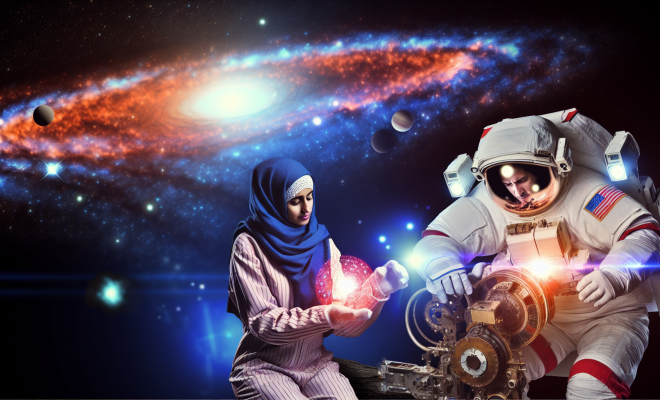
Living and working in space is a dream for many, but the reality of life aboard the International Space Station (ISS) presents a myriad of challenges that can strain both the body and mind. From the disorienting effects of rapid sunrises to the potential hazards posed by cosmic radiation, astronauts encounter a range of strange and unexpected phenomena during their missions. Here’s a closer look at 25 of the most peculiar challenges astronauts face while orbiting our planet.
1. The Rapid Cycle of Sunrises
Astronauts aboard the ISS witness approximately 16 sunrises and sunsets each day. The station orbits Earth every 90 minutes, leading to this rapid cycle that can significantly disrupt the natural circadian rhythms of the crew. This constant change in light exposure can result in difficulties sleeping and maintaining a healthy sleep schedule, which is crucial for optimal performance and well-being.
2. Communication Challenges
The technology that allows astronauts to communicate with mission control is not without its quirks. Solar flares—explosions on the sun—release bursts of magnetic energy that can interfere with radio signals. These disturbances can cause communication blackouts, making it essential for astronauts to be prepared for unexpected disruptions during critical operations.
3. Churankov Radiation
One of the more unsettling experiences for astronauts involves the potential exposure to Churankov radiation. This phenomenon occurs when charged particles travel faster than the speed of light in a medium, such as water or glass. Astronauts have reported experiencing this radiation in their eyes, which can create visual disturbances and is a reminder of the unique conditions present in space.
4. Muscle Atrophy and Bone Density Loss
Without the constant pull of gravity, astronauts experience muscle atrophy and bone density loss. The lack of gravitational force leads to a decrease in muscle strength by approximately 25% over a six-month mission. To combat this, astronauts engage in rigorous exercise routines on specialized equipment designed for zero gravity.
5. Fluid Redistribution
In microgravity, bodily fluids do not settle in the lower extremities as they do on Earth. Instead, they redistribute to the upper body and head, which can lead to a condition known as moon face, where astronauts appear to have puffier faces. This redistribution can also cause increased intracranial pressure, affecting vision and overall health.
6. Space Adaptation Syndrome
When astronauts first arrive in space, they often experience space adaptation syndrome, commonly referred to as space sickness. Symptoms include nausea, vomiting, and disorientation, similar to motion sickness. This condition can be particularly troubling during the first few days of a mission as the body adjusts to the weightlessness of space.
7. The Smell of Space
Astronauts have reported a unique odor in space, often described as a combination of hot metal, seared steak, and welding fumes. This scent is thought to originate from the materials in the spacecraft and the vacuum of space itself, creating an otherworldly olfactory experience.
8. Cosmic Rays and Radiation Exposure
Space is filled with cosmic rays, high-energy particles from outside our solar system, which pose a significant health risk for astronauts. Prolonged exposure to this radiation can increase the risk of cancer and other health issues, necessitating the use of protective measures aboard the ISS.
9. The Psychological Effects of Isolation
The isolation and confinement of space missions can take a toll on astronauts’ mental health. The absence of natural environments, limited social interactions, and the high-stress nature of their work can lead to feelings of claustrophobia, anxiety, and depression. Maintaining psychological well-being is as important as physical health during long missions.
10. Food in Space
Dining in zero gravity presents its own set of challenges. Food must be carefully prepared and packaged to prevent crumbs and liquids from floating away. Astronauts often consume rehydrated meals and snacks, which can differ significantly from their usual diets, leading to cravings for familiar foods.
11. The Challenge of Hygiene
Personal hygiene in space is not as straightforward as on Earth. There are no showers; astronauts use rinseless wipes and no-rinse shampoo to clean themselves. This adaptation can feel uncomfortable, but it is necessary to maintain cleanliness in a confined environment.
12. Space Debris
Orbiting Earth is not without its dangers. Space debris—fragments of old satellites, spent rocket stages, and other materials—pose a serious threat to the ISS. Astronauts must remain vigilant and ready to execute avoidance maneuvers if debris is detected on a collision course with the station.
Conclusion
The life of an astronaut is undeniably filled with extraordinary experiences, but it also comes with a host of unusual challenges that can affect both physical and mental well-being. As we continue to explore the final frontier, understanding these challenges is crucial for preparing future missions and ensuring the safety and health of those who venture into space.