Travel Chaos: Snowstorms Disrupt Flights Across the Midwest and Eastern US
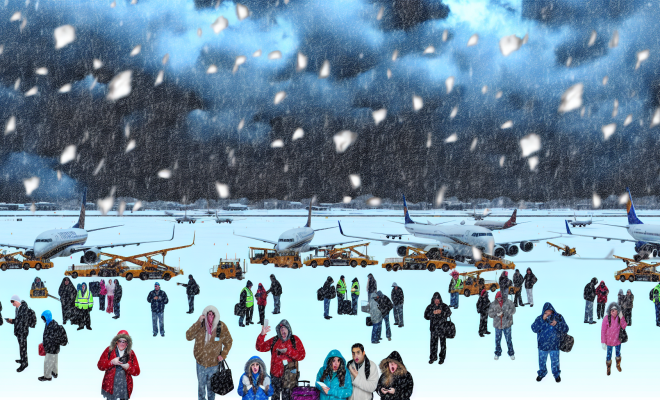
Severe Weather Causes Flight Disruptions
On March 17, 2026, air travel across the United States faced significant disruptions as powerful storms unleashed heavy snowfall in the Midwest and continued to move eastward. The weather chaos resulted in hundreds of flight cancellations and delays, stranding passengers and creating a ripple effect on travel plans nationwide.
Impact on Travelers
Travelers found themselves grappling with unexpected challenges as winter weather wreaked havoc on their itineraries. Kelly Price, who was returning from a family vacation in Orlando, shared her frustrating experience. With flights grounded, she and her family resorted to sleeping on airport floors while waiting for updates on their travel plans. “It was a nightmare trying to find a comfortable spot to sleep amidst the chaos,” Price lamented.
Similarly, Danielle Cash faced her own set of difficulties after a trip to Las Vegas. Stranded in snowy St. Louis, she was forced to incur additional hotel costs while monitoring the situation. “I never expected to be stuck here for an extra night due to snow. It’s frustrating and costly,” Cash expressed.
Flight Cancellations and Delays
The storms significantly impacted major airports, leading to an avalanche of cancellations and delays. According to reports, over 1,000 flights were canceled nationwide, with many more delayed. Airports in cities like Chicago, St. Louis, and New York experienced the most disruptions. Travelers were left scrambling to rebook their flights during a peak travel time that coincided with spring break and the NCAA March Madness basketball tournament, adding to the pressure on airlines and airports.
Government Shutdown Complicates Matters
The situation was further exacerbated by a partial government shutdown that had already strained TSA staffing levels. With fewer personnel available to manage security checks, the combination of increased passenger volume and reduced staffing led to longer wait times and further delays at airports. Experts warned that travelers should prepare for extended delays as the storm moved eastward.
Advice for Affected Travelers
As travelers navigated this challenging situation, experts offered several tips to help mitigate the stress of flight disruptions:
- Stay Informed: Regularly check flight statuses through airline websites or apps, as conditions can change rapidly.
- Be Flexible: If possible, consider alternative travel dates or routes to avoid the worst of the weather.
- Pack Essentials: Keep necessary items such as medications, chargers, and snacks in your carry-on in case of unexpected delays.
- Know Your Rights: Familiarize yourself with airline policies regarding cancellations and delays to ensure you are aware of your options.
Looking Ahead
As the storms continued to move across the eastern United States, the hope was for improved weather conditions in the coming days. However, the impact of these storms on travel plans would likely linger as airports worked to clear backlogs and resume normal operations. Passengers were encouraged to remain patient and prepared as they navigated the aftermath of these disruptive weather events.
Conclusion
The March 17 snowstorms served as a stark reminder of how quickly weather can change travel plans and the importance of being prepared for unexpected disruptions. As travelers like Kelly Price and Danielle Cash experienced firsthand, the combination of severe weather and logistical challenges can make air travel an arduous process. Moving forward, it is essential for travelers to stay informed and remain adaptable during their journeys.