Build a Retaining Wall: Essential Steps for a Strong Landscape
“`html
Building a retaining wall is a significant project that can enhance both the functionality and aesthetic appeal of your property. Whether you’re looking to prevent soil erosion, create level areas in your yard, or simply add a decorative element to your landscape, understanding how to build a retaining wall is key. This guide will walk you through essential steps and considerations to ensure your wall is not just structurally sound but also visually appealing.
1. Understanding Retaining Walls
Before diving into the construction process, it’s important to grasp what a retaining wall is and the role it plays in landscape design. A retaining wall is a structure designed to hold back soil and prevent erosion on sloped areas of your property. They come in various materials, including concrete, stone, brick, and timber, each with its own unique properties and aesthetic qualities.
Retaining walls can be functional, serving to stabilize soil, but they can also be a focal point in your landscaping. The choice of materials and design will significantly affect how the wall looks and performs. For instance, natural stone can blend seamlessly into a garden, whereas concrete might offer a more modern look but requires careful finishing to avoid an industrial feel.
Retaining walls can be categorized into two main types: gravity and cantilever walls. Gravity walls rely on their weight to resist the pressure of the soil behind them, while cantilever walls use a lever mechanism to divert the force exerted by the retained earth. Each type has its applications and advantages based on the context of your landscape.
2. Planning Your Project
Proper planning is crucial in any construction project, especially when building retaining walls. Begin by assessing your site. Determine the area that needs retaining and the wall’s height, length, and design. Local zoning laws and building codes may also dictate how tall your wall can be and what materials you can use, so check these regulations first.
Additionally, consider the function of the wall. Will it hold back a significant amount of soil, or is it more for decorative purposes? If the wall is over four feet tall, it may need engineering to ensure safety and stability. Engaging with a professional landscape architect or civil engineer can be beneficial to avoid costly mistakes.
It’s also wise to consider the climate of your area. Factors such as rainfall, freeze-thaw cycles, and soil type can greatly influence the design and materials you choose. For example, in areas with heavy rainfall, you’ll want to ensure excellent drainage to prevent the wall from being compromised by water pressure.
3. Choosing the Right Materials
When you know how to build a retaining wall, selecting the right materials is essential. Common options include:
- Concrete Blocks: Durable and easy to work with, concrete blocks are a popular choice for modern retaining walls.
- Natural Stone: Offers a timeless, elegant look, though it can be more expensive and heavier to work with.
- Timber: A more budget-friendly option, timber can be visually appealing but may not last as long as other materials, particularly in wet conditions.
- Brick: Provides a classic aesthetic, well-suited for traditional landscapes.
- Gabion Walls: Constructed with wire baskets filled with stones, gabion walls are a sustainable option that provides excellent drainage and can be quite attractive.
Your choice will depend on your budget, the wall’s intended function, and your landscape’s overall style. Remember to also account for drainage materials, such as gravel or perforated pipe, which help prevent water buildup behind the wall.
Consider the long-term maintenance of the materials as well. Some materials, like timber, may require regular treatment to resist rot and pests, while concrete and stone may need occasional cleaning to maintain their appearance. (See: Understanding retaining walls on Wikipedia.)
4. Gathering Your Tools
Equipping yourself with the right tools is a vital step in the process of building a retaining wall. Depending on the materials chosen, you may need:
- A shovel or post hole digger
- A level to ensure straight lines
- A masonry saw for cutting blocks or stone
- A rubber mallet for settling blocks
- A compactor to pack down soil and gravel
- Measuring tape for accurate dimensions
- Safety gear such as gloves and goggles
Having these tools ready will save you time and frustration as you work on your project. If you’re unsure of what to get, many home improvement stores offer tool rental services, which can be a cost-effective option. Additionally, checking online resources for tutorials or user reviews can also guide you in choosing the right products.
5. Excavating the Site
With your plans in place and materials gathered, it’s time to excavate the area for your retaining wall. This process involves clearing the designated site of grass, plants, and debris, ensuring a clean and level foundation. Dig a trench that’s at least twice the width of the blocks you’ll be using and deep enough to accommodate a base of gravel.
It’s crucial to create a slightly sloped base to encourage proper drainage. This prevents water from accumulating behind the wall, which can cause pressure and lead to potential failure. A good rule of thumb is to slope the base away from the wall by about 1 inch for every 12 inches of height.
As you dig, be mindful of any underground utilities that may be present. Use a utility locator service if you’re unsure where these lines run. Hitting a water or gas line can not only derail your project but also pose safety risks.
6. Building the Wall
Once the site is prepared, you can start building your retaining wall. Begin by laying a foundation of compacted gravel at the bottom of the trench. This layer should be about 3-4 inches deep and compacted thoroughly to provide stability. Then, when laying the first course of blocks or stones, ensure they are level and aligned properly, as this will set the standard for the rest of the wall.
Continue stacking your materials, staggering the joints between each block for added strength, and using a level frequently to maintain alignment. If you’re using a system that requires drainage, make sure to install drainage pipes behind the wall as you go. Fill any gaps with gravel to facilitate water flow and reduce pressure on the wall.
As you work on subsequent layers, consider incorporating features such as steps or terraces. These not only add visual interest but can also make the wall more functional, providing easier access to different levels of your garden or yard. Additionally, think about integrating plants into the design. Greenery can soften the hard lines of a wall and enhance the overall landscape.
7. Finishing Touches and Maintenance
After constructing your wall, the finishing touches can make a significant difference in appearance and durability. Backfill behind the wall with soil or gravel, ensuring proper drainage. You might want to add a capstone on top of your wall, which can provide a finished look while helping to keep water out of the joints.
Maintenance is crucial for the longevity of your retaining wall. Regularly check for any signs of erosion, cracking, or bulging. If you notice issues, address them promptly to prevent more extensive damage. Depending on the materials used, periodic cleaning may also be necessary to maintain its aesthetic appeal.
Consider planting some deep-rooted plants at the base of the wall. This can help stabilize the soil and prevent erosion while adding beauty to your landscape. Moreover, consider the watering needs of these plants and how they might affect the wall’s integrity over time. (See: USDA Natural Resources Conservation Service.)
8. Common Challenges and How to Address Them
Building a retaining wall comes with its own set of challenges. One common issue is water accumulation behind the wall, which can lead to pressure that might compromise your structure. To combat this, ensure your drainage system is effective. Using perforated pipes in conjunction with gravel backfill can help alleviate this issue.
Another challenge is the potential for soil movement. If you’re building in a particularly unstable area, reinforcing the wall with additional supports or using a more robust design may be necessary. Consult with a professional if you’re unsure.
If you notice cracks forming in your wall after completion, this may be a sign of settling soil or insufficient drainage. Filling these cracks with appropriate materials and adjusting your drainage strategy can help mitigate further damage.
9. Cost Considerations
When budgeting for your retaining wall project, several factors come into play. Material costs will vary significantly based on your choice, with natural stone typically being the most expensive option. Concrete blocks and timber are generally more budget-friendly, making them popular for many DIYers.
Don’t forget to factor in the cost of tools if you don’t already own them. Hiring professionals can also considerably increase your budget, so weigh your options carefully. For example, a simple retaining wall can cost anywhere from $1,000 to $5,000 or more depending on size, materials, and location.
Additionally, consider long-term costs. Some materials may require more maintenance or replacement sooner than others, impacting your wallet over time. Investing in quality materials can save you money in the long run.
10. Expert Perspectives on Building Retaining Walls
Industry experts emphasize the importance of proper drainage and the right material selection for the longevity of your retaining wall. One landscape architect noted, “The best retaining walls are those that consider both their functional requirements and their aesthetic contributions to the landscape. It’s an art and a science.” Consulting with professionals can provide insights that help you avoid common pitfalls.
Another expert underlined the importance of understanding your local soil conditions. “Every region has different soil types and drainage patterns,” they explained. “Before you start digging, doing your homework can save you a lot of headaches later.” Engaging with local builders who know the area can also be advantageous.
11. FAQs About Building Retaining Walls
What is the purpose of a retaining wall?
The primary purpose of a retaining wall is to hold back soil and prevent erosion on sloped areas. They can also create level areas for landscaping, gardening, and outdoor living spaces.
How tall can a retaining wall be?
The height of a retaining wall is often dictated by local regulations, which can vary. Generally, walls over four feet may require engineering to ensure they are safe and stable. (See: CDC on landscaping and health.)
How do I ensure proper drainage behind my retaining wall?
To ensure proper drainage, install a perforated drainage pipe at the base of the wall behind the gravel backfill. This helps redirect water away and prevents pressure from building up behind the wall.
Can I build a retaining wall myself?
Yes, many homeowners successfully build their own retaining walls, especially smaller ones. However, for larger or more complex walls, or if you have concerns about local regulations or soil conditions, consulting with a professional is advised.
What maintenance do retaining walls require?
Maintenance can include checking for cracks or erosion, ensuring drainage systems are functioning properly, and periodically cleaning the wall surface to maintain its appearance.
12. Common Mistakes When Building Retaining Walls
Even seasoned DIYers can make mistakes when building retaining walls. Here are some of the most common pitfalls to avoid:
- Neglecting Drainage: As mentioned earlier, proper drainage is crucial. Some builders forget to install a drainage system, leading to water buildup and potential failure.
- Incorrect Wall Height: Building a wall too high without proper engineering can lead to structural issues. Always check local regulations and, if necessary, hire a professional for tall walls.
- Using Poor Quality Materials: Investing in low-quality materials may save you money initially but can lead to more significant expenses later due to repairs or replacements.
- Forgetting to Stagger Joints: Not staggering the joints between blocks can weaken the structure. Take time to plan the layout for a more stable build.
- Ignoring Soil Conditions: Building on unstable soil without proper assessment can lead to shifting or collapse. Always evaluate your site before beginning construction.
13. Innovative Retaining Wall Designs
Building a retaining wall doesn’t have to mean a plain, utilitarian structure. There are many innovative designs that can enhance both the functionality and aesthetics of your landscape:
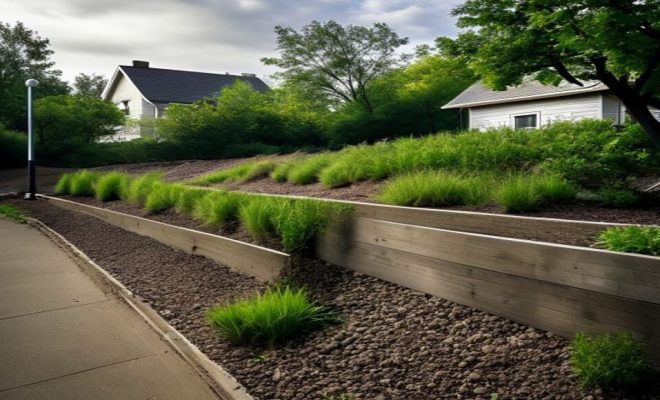
- Tiered Walls: Creating a tiered design can not only be visually appealing but also more effective at managing steep slopes. Each level can be planted with different vegetation for added beauty.
- Living Walls: Incorporating plants directly into the wall itself, such as with green walls or vertical gardens, adds greenery and helps with drainage.
- Decorative Stone Facings: Adding a decorative stone veneer to a concrete block wall can blend it into the natural landscape while enhancing its appearance.
- Water Features: Integrating a water feature, such as a small waterfall or pond, into your retaining wall can create a stunning focal point in your garden.
14. Environmental Considerations
When building a retaining wall, it’s essential to consider the environmental impact. Retaining walls can alter natural drainage patterns and affect local ecosystems. Here are a few environmentally friendly practices:
- Use Sustainable Materials: When possible, opt for materials that are sourced sustainably or recycled. This reduces your carbon footprint and promotes environmental responsibility.
- Implement Natural Drainage Solutions: Instead of relying heavily on synthetic drainage systems, consider natural options like swales or bio-retention areas that work with the landscape.
- Choose Native Plants: If you’re integrating plants into your retaining wall, select native species that require less water and maintenance, supporting local wildlife and reducing irrigation needs.
Your Retaining Wall Awaits
Understanding how to build a retaining wall is a fulfilling endeavor that can enhance your property’s functionality and beauty. With careful planning and attention to detail, you can create a structure that not only meets your needs but also stands the test of time. So why wait? Gather your materials, gather your tools, and start this rewarding project today!
“`
Trending Now
Frequently Asked Questions
What materials can I use to build a retaining wall?
You can use a variety of materials to build a retaining wall, including concrete, stone, brick, and timber. Each material has unique properties and aesthetic qualities, allowing you to choose one that fits both your functional needs and design preferences.
What is the purpose of a retaining wall?
The primary purpose of a retaining wall is to hold back soil and prevent erosion on sloped areas of your property. Additionally, they can create level areas in your yard and serve as decorative elements in your landscape design.
How do I plan for building a retaining wall?
Proper planning involves assessing your site to determine the area needing retention, the wall's height, length, and design. It's also important to check local zoning laws and building codes, which may dictate wall height and material usage.
What are the types of retaining walls?
Retaining walls can be categorized into two main types: gravity walls, which rely on their weight to resist soil pressure, and cantilever walls, which use a lever mechanism to divert force from the retained earth. Each type has specific applications and advantages.
How high can I build a retaining wall?
The height of your retaining wall may be regulated by local zoning laws and building codes. It's essential to check these regulations before construction, as they can dictate how tall your wall can be and what materials are permissible.
What did we miss? Let us know in the comments and join the conversation.