Artemis 2 Moon Rocket Rolls Out for 2026 Launch
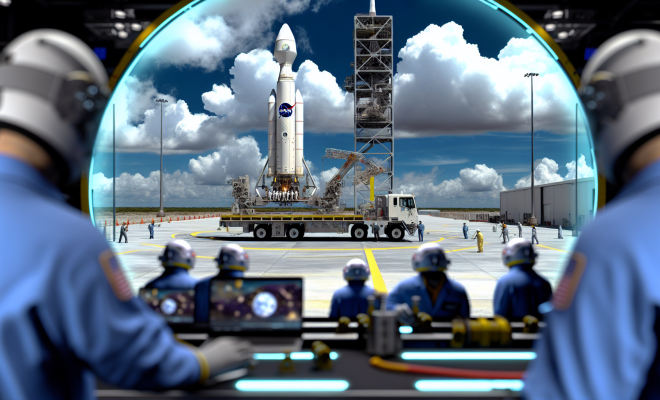
NASA’s Space Launch System (SLS) rocket, which is a key component of the Artemis 2 mission, has successfully rolled out from the Vehicle Assembly Building (VAB) to Launch Complex 39B. This significant event took place on March 19, 2026, marking a crucial step in the agency’s plans to return humans to the Moon. The rollout was expedited due to efficient maintenance work carried out by NASA engineers, allowing the rocket to move to the launch pad sooner than initially anticipated.
The Journey to Launch Complex 39B
The SLS rocket’s journey from the VAB to the launch pad is a meticulous process that spans approximately 4 miles (6.5 kilometers) and typically takes around 12 hours. The first motion of the rocket was targeted for 8 p.m. ET on March 19, a time chosen to align with optimal conditions for the rollout.
Addressing Technical Challenges
The decision to roll out the rocket was prompted by a helium flow issue identified in the rocket’s Interim Cryogenic Propulsion Stage (ICPS) during a recent fueling test. This challenge had necessitated a shift in the mission’s launch window, originally set for March 6, now extending into April. Engineers have been diligently working to resolve the ICPS issue, underscoring NASA’s commitment to ensuring the rocket is ready for its mission.
Additional Maintenance Tasks
While the SLS rocket was in the VAB, engineers conducted several critical maintenance tasks. These included:
- Replacing batteries in the flight termination system.
- Changing batteries in the rocket’s upper stage.
- Conducting comprehensive retesting to verify that all systems are functioning optimally.
These maintenance activities are essential for guaranteeing the safety and reliability of the rocket as it prepares for its historic mission.
The Significance of Artemis 2
The Artemis 2 mission holds monumental importance as it aims to send astronauts on a journey around the Moon, marking the first crewed flight in NASA’s Artemis program. This mission is a pivotal step toward establishing a sustainable human presence on the lunar surface and eventually paving the way for future missions to Mars.
Preparations for Future Missions
As NASA gears up for Artemis 2, the agency is focused on not only the technical aspects of the mission but also on preparing astronauts for their upcoming lunar exploration. The training encompasses a wide range of activities, from simulations to physical conditioning, ensuring that the crew is ready for the challenges of space travel.
In the long term, Artemis 2 is designed to set the stage for Artemis 3, which aims to land astronauts on the lunar surface, including the first woman and the next man. This mission will facilitate the exploration of the Moon’s South Pole region, believed to contain water ice and other resources critical for future space endeavors.
Looking Ahead
As the SLS rocket rolls toward Launch Complex 39B and prepares for its launch in April, excitement surrounding the Artemis 2 mission continues to grow. NASA’s return to lunar exploration represents a significant achievement in space science and technology, fostering international collaboration and inspiring future generations.
With the Artemis program, NASA is not only focused on lunar exploration but is also laying the groundwork for human exploration of Mars. The experience and data gathered from missions like Artemis 2 will be invaluable as humanity aims to reach and sustain life on the Red Planet.
Conclusion
The successful rollout of the SLS rocket is a testament to NASA’s engineering prowess and dedication to pushing the boundaries of human space exploration. As the agency prepares for the upcoming Artemis 2 mission, the world watches with great anticipation, eager to witness the next chapter in humanity’s journey to the stars.