The Alarming Rise of Cyberbullying: Is Your Child at Risk?
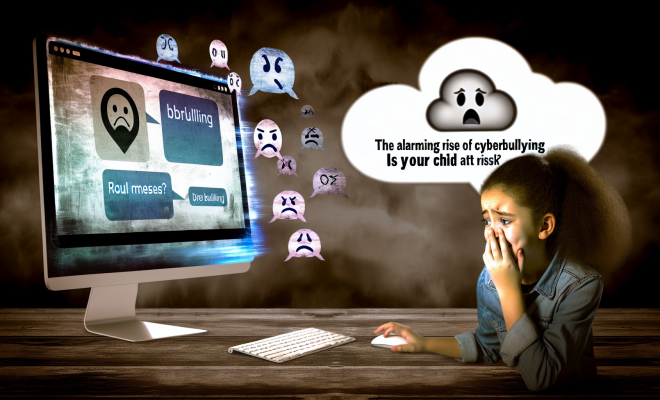
In recent years, the issue of cyberbullying awareness has gained significant attention, and for good reason. According to fresh data released by the World Health Organization (WHO), bullying—particularly in its digital form—has reached epidemic levels, affecting an astounding up to 1 billion children worldwide each year. This staggering statistic calls for immediate action and awareness among parents, educators, and policymakers alike.
The Bullying Epidemic: A Closer Look
Bullying is defined as deliberate, repeated aggression that can manifest in physical, psychological, or social harm. This behavior often occurs in settings where children gather, such as schools or online platforms. The WHO emphasizes that power imbalances are a critical factor in bullying, where the perpetrator exerts dominance over the victim. This dynamic can have devastating effects, leading to significant emotional and psychological damage.
Cyberbullying: A New Dimension of Aggression
Cyberbullying, a term that encompasses harassment and intimidation conducted via digital platforms, has emerged as a potent form of bullying. With the proliferation of technology and social media, children are now facing threats that extend beyond the schoolyard. The anonymity provided by the internet can embolden aggressors, making it easier for them to inflict harm without immediate consequences.
As children increasingly engage with social media, online games, and messaging apps, the potential for cyberbullying escalates. Victims may experience relentless attacks through social networks, emails, and text messages, leaving them feeling isolated and vulnerable. The emotional toll of such experiences can be severe, contributing to anxiety, depression, and even suicidal thoughts.
Power Imbalances and Emotional Bonds
The WHO’s report links bullying, including cyberbullying, to broader categories of violence against children. It highlights that factors such as maltreatment by caregivers and the absence of emotional bonding can exacerbate the risk of bullying both online and offline. Children who lack strong emotional connections are more susceptible to becoming targets of bullying, as they may not have the support needed to cope with or report such behavior.
Close-Relationship Risks
Close relationships play a vital role in a child’s development and emotional well-being. Unfortunately, the presence of delinquent peers can significantly increase the likelihood of bullying behaviors. Children may engage in bullying as a means of gaining social acceptance or to assert their dominance within a peer group. This highlights the importance of fostering healthy relationships among children, as positive social interactions can mitigate the risks of engaging in or falling victim to bullying.
The Viral Nature of Bullying Stories
The dramatic rise in cyberbullying awareness has been fueled by viral stories shared on platforms like TikTok and Twitter. Emotional accounts from victims resonate deeply with audiences, sparking outrage and empathy. As these stories gain traction, they contribute to a growing panic among parents, who are increasingly concerned about their children’s safety in both physical and digital environments.
Moreover, the internet provides a platform for victims to share their experiences and seek support, creating communities that can help raise awareness about the severity of the issue. However, the viral nature of these stories also poses challenges, as misinformation and sensationalism can lead to further stigmatization of victims.
Policy Changes and Calls to Action
The alarming statistics and personal accounts have driven a surge in Google searches regarding child bullying prevention. Parents and educators are now more inclined to seek resources and solutions to combat the bullying epidemic. As awareness grows, calls for policy changes to protect children from bullying—both online and offline—are becoming increasingly urgent.
Organizations and advocacy groups are pushing for legislation that mandates schools to implement comprehensive anti-bullying programs. These initiatives aim to educate students about the impacts of bullying, promote empathy, and provide resources for both victims and aggressors. Additionally, schools are being urged to establish clear reporting mechanisms and support systems for those affected by bullying.
Understanding the Severity of Cyberbullying
The psychological ramifications of cyberbullying are severe and can lead to long-term consequences. Victims often report feelings of shame, isolation, and depression, which can hinder their academic performance and social interactions. The anonymity of online platforms can contribute to a sense of helplessness, making it difficult for victims to seek help.
The Role of Parents in Cyberbullying Awareness
As parents, fostering an environment where open communication is encouraged can significantly mitigate the risks associated with cyberbullying. Here are several strategies to help parents stay informed and proactive:
- Educate Yourself and Your Child: Understanding what cyberbullying is and how it manifests can empower parents to recognize signs and address issues effectively.
- Encourage Open Dialogue: Create a safe space for your children to share their online experiences without fear of judgment.
- Monitor Online Behavior: Regularly check in on your child’s online activities and interactions to identify any potential issues.
- Teach Empathy: Discuss the importance of empathy and kindness online, reinforcing that words can have a profound impact.
- Know the Resources: Familiarize yourself with local and online resources available for victims of bullying.
Building Resilience in Children
In addition to awareness, equipping children with the skills to handle bullying situations is crucial. Building emotional resilience can empower children to navigate challenges more effectively. Here are some strategies that can help:
- Foster Self-Esteem: Encourage children to engage in activities that build their confidence and self-worth.
- Teach Coping Mechanisms: Help children learn how to manage their emotions and respond to bullying in constructive ways.
- Promote Healthy Friendships: Encourage children to build positive relationships with peers who share their values and interests.
- Discuss the Importance of Reporting: Ensure that children understand the importance of reporting bullying incidents to trusted adults.
The Role of Schools in Cyberbullying Awareness
Schools play a pivotal role in addressing bullying and fostering a safe environment for all students. It is imperative for educational institutions to implement comprehensive anti-bullying policies that include:
- Training for Staff: Educators should receive training on identifying and addressing bullying behaviors effectively.
- Student Workshops: Schools can organize workshops and seminars focused on educating students about the impacts of bullying and the importance of bystander intervention.
- Clear Reporting Procedures: Establishing clear channels for reporting bullying can empower students to seek help without fear of retaliation.
- Parental Involvement: Schools should engage parents in discussions about bullying prevention and encourage them to be active participants in their child’s education.
Conclusion: A Collective Responsibility
The rise of cyberbullying presents a formidable challenge that requires a collective response from parents, educators, and policymakers. By enhancing cyberbullying awareness, we can create a safer environment for children to thrive in both their online and offline lives. Through education, open communication, and the implementation of effective policies, we can combat bullying and empower children to stand against aggression in all its forms. The future of our children depends on our ability to address this critical issue head-on.