The Tech Edvocate

Top Menu

  • Advertisement
  • Apps
  • Home Page
  • Home Page Five (No Sidebar)
  • Home Page Four
  • Home Page Three
  • Home Page Two
  • Home Tech2
  • Icons [No Sidebar]
  • Left Sidbear Page
  • Lynch Educational Consulting
  • My Account
  • My Speaking Page
  • Newsletter Sign Up Confirmation
  • Newsletter Unsubscription
  • Our Brands
  • Page Example
  • Privacy Policy
  • Protected Content
  • Register
  • Request a Product Review
  • Shop
  • Shortcodes Examples
  • Signup
  • Start Here
    • Governance
    • Careers
    • Contact Us
  • Terms and Conditions
  • The Edvocate
  • The Tech Edvocate Product Guide
  • Topics
  • Write For Us
  • Advertise

Main Menu

  • Start Here
    • Our Brands
    • Governance
      • Lynch Educational Consulting, LLC.
      • Dr. Lynch’s Personal Website
      • Careers
    • Write For Us
    • The Tech Edvocate Product Guide
    • Contact Us
    • Books
    • Edupedia
    • Post a Job
    • The Edvocate Podcast
    • Terms and Conditions
    • Privacy Policy
  • Topics
    • Assistive Technology
    • Child Development Tech
    • Early Childhood & K-12 EdTech
    • EdTech Futures
    • EdTech News
    • EdTech Policy & Reform
    • EdTech Startups & Businesses
    • Higher Education EdTech
    • Online Learning & eLearning
    • Parent & Family Tech
    • Personalized Learning
    • Product Reviews
  • Advertise
  • Tech Edvocate Awards
  • The Edvocate
  • Pedagogue
  • School Ratings

logo

The Tech Edvocate

  • Start Here
    • Our Brands
    • Governance
      • Lynch Educational Consulting, LLC.
      • Dr. Lynch’s Personal Website
        • My Speaking Page
      • Careers
    • Write For Us
    • The Tech Edvocate Product Guide
    • Contact Us
    • Books
    • Edupedia
    • Post a Job
    • The Edvocate Podcast
    • Terms and Conditions
    • Privacy Policy
  • Topics
    • Assistive Technology
    • Child Development Tech
    • Early Childhood & K-12 EdTech
    • EdTech Futures
    • EdTech News
    • EdTech Policy & Reform
    • EdTech Startups & Businesses
    • Higher Education EdTech
    • Online Learning & eLearning
    • Parent & Family Tech
    • Personalized Learning
    • Product Reviews
  • Advertise
  • Tech Edvocate Awards
  • The Edvocate
  • Pedagogue
  • School Ratings
  • US Battery as a Service Market Shifts Toward Fleet-Based Energy

  • The Startling Truth: Why Americans Distrust AI with Their Health

  • This Crucial Deadline for Banks Is Closer Than You Think

  • Baffling: CrowdStrike’s $500 Million AI Bet Reshapes Cybersecurity

  • This Crucial Autonomous Driving Rule Could Cost You Everything

  • Baffling: Microsoft AI CEO Demands Halt to Conscious AI Development

  • O seară în ritmul tău: atmosfera divertismentului de cazinou pe internet

  • Outrageous: AppLovin Hit With Lawsuit Over AI Claims — What Investors Need to Know

  • 9 Critical Ways AI Investment Fraud Is Quietly Draining Your Bank Account

  • Is the AI Bubble Bursting? OpenAI’s Funding Woes Revealed

Tech News
Home›Tech News›Middle East Diplomats Meet in Doha for Peace Talks 2023

Middle East Diplomats Meet in Doha for Peace Talks 2023
By Matthew Lynch
March 30, 2026
0
Spread the love

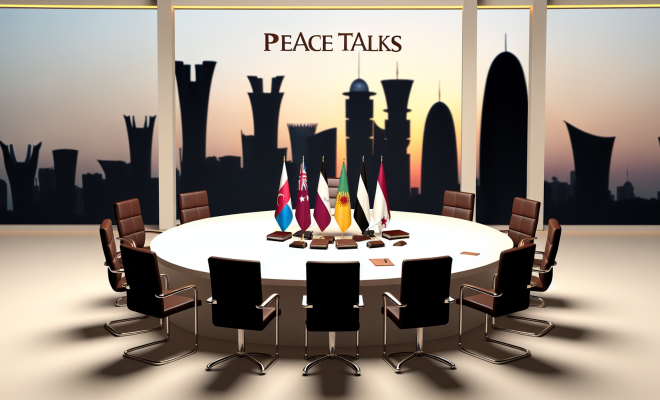
In a significant diplomatic gathering, top officials from various Middle Eastern countries convened in Doha, Qatar, in a concerted effort to address the escalating conflict between the United States and Iran. Notably absent from the discussions were representatives from both nations, highlighting the complexities and regional dynamics at play in this ongoing crisis.

A Platform for Dialogue

The meeting, which took place on October 15, 2023, is part of a broader initiative among Middle Eastern nations to foster dialogue and explore pathways to peace. As tensions have risen in recent months, the urgency for diplomatic resolutions has become increasingly apparent. The absence of US and Iranian officials at the talks underscores a regional desire to take ownership of peace negotiations, potentially sidelining external influences that have historically shaped the conflict.

Context of the Conflict

The relationship between the United States and Iran has been fraught with challenges for decades, culminating in military encounters, economic sanctions, and a volatile regional landscape. The latest surge in hostilities has reinvigorated calls for peace talks, as the ramifications of continued conflict threaten stability and security across the Middle East.

In recent years, the US has adopted a hardline approach towards Iran, particularly following the withdrawal from the Joint Comprehensive Plan of Action (JCPOA) in 2018. Since then, Iran has gradually ramped up its nuclear activities, raising alarms among its regional neighbors and prompting fears of a potential military confrontation.

Regional Leaders Take Center Stage

The Doha meeting brought together officials from several key Middle Eastern countries, each with vested interests in the outcomes of the discussions. Countries such as Saudi Arabia, the United Arab Emirates, Egypt, and Turkey were represented, highlighting a collective acknowledgment of the need for a stable and peaceful resolution.

  • Saudi Arabia: As a regional powerhouse, Saudi Arabia’s participation is pivotal, given its long-standing rivalry with Iran.
  • United Arab Emirates: The UAE has been increasingly active in diplomatic efforts, aiming to mitigate tensions and foster economic cooperation.
  • Egypt: With its historical role as a mediator, Egypt’s involvement is crucial for balancing regional interests.
  • Turkey: As a significant player in Middle Eastern geopolitics, Turkey’s stance can influence the direction of peace talks.

Focus on Peace Initiatives

While the specific details of the discussions remain under wraps, sources indicate that the agenda included a variety of topics aimed at reducing hostilities and fostering dialogue. Key areas of focus likely encompassed:

  • Strategies for de-escalating military tensions in the region.
  • Potential frameworks for future negotiations concerning Iran’s nuclear program.
  • Economic cooperation initiatives that could promote stability.
  • Humanitarian efforts to address the fallout from ongoing conflicts.

According to on-the-ground reports from Matt Rivers, who provided coverage of the talks, the atmosphere in Doha was marked by a sense of urgency and determination among the participating nations. The officials expressed a shared commitment to finding common ground, despite the absence of US and Iranian influence.

The Geopolitical Landscape

The significance of the Doha talks cannot be overstated, as they represent a shift in how Middle Eastern nations are approaching the longstanding conflict. By taking the initiative to engage in dialogue independently, these countries are asserting their agency in a complex geopolitical landscape.

Moreover, the outcome of these discussions could have broader implications for the region. A successful diplomatic resolution could pave the way for improved relations between rival nations, potentially leading to increased economic ties and collaborative efforts in addressing shared challenges such as terrorism and climate change.

Challenges Ahead

Despite the positive momentum generated by the Doha talks, significant challenges remain. The entrenched positions of the US and Iran complicate the prospect of a unified approach to peace. Additionally, internal divisions among Middle Eastern nations may hinder consensus-building efforts.

As the region grapples with these complexities, the future of the peace process will depend on sustained dialogue and the willingness of all parties to compromise. The coming weeks and months will be critical in determining whether the momentum generated in Doha can translate into tangible progress toward a peaceful resolution.

Conclusion

The recent meeting in Doha represents a crucial step in the ongoing quest for peace in the Middle East. With regional leaders stepping forward to take the reins of diplomacy, there is hope that a collaborative approach can yield positive results. As the world watches closely, the commitment to dialogue may ultimately hold the key to a more stable and secure future for the region.


Previous Article

US Deploys 3,500 More Marines to Middle ...

Next Article

French Police Thwart Bombing Plot at Bank ...

Matthew Lynch

Related articles More from author

  • Tech News

    Export Slack Messages: A Complete Guide for 2024

    July 17, 2026
    By Matthew Lynch
  • Tech News

    How to fix TikTok upload stuck

    June 23, 2026
    By Matthew Lynch
  • Tech News

    How to fix cracked phone screen

    July 3, 2026
    By Matthew Lynch
  • Tech News

    2027 Hyundai Kona: Stylish Compact SUV with a Pokémon Twist

    April 12, 2026
    By Matthew Lynch
  • Tech News

    Why Viral Sports News Is Elusive in 2024

    June 9, 2026
    By Matthew Lynch
  • Tech News

    Princess Kate’s Strawberry Red Dress Ignites 2026 Fashion Trend

    July 12, 2026
    By Matthew Lynch

Search

Login & Registration

  • Log in
  • Entries feed
  • Comments feed
  • WordPress.org

Newsletter

Signup for The Tech Edvocate Newsletter and have the latest in EdTech news and opinion delivered to your email address!

About Us

Since technology is not going anywhere and does more good than harm, adapting is the best course of action. That is where The Tech Edvocate comes in. We plan to cover the PreK-12 and Higher Education EdTech sectors and provide our readers with the latest news and opinion on the subject. From time to time, I will invite other voices to weigh in on important issues in EdTech. We hope to provide a well-rounded, multi-faceted look at the past, present, the future of EdTech in the US and internationally.

We started this journey back in June 2016, and we plan to continue it for many more years to come. I hope that you will join us in this discussion of the past, present and future of EdTech and lend your own insight to the issues that are discussed.

Newsletter

Signup for The Tech Edvocate Newsletter and have the latest in EdTech news and opinion delivered to your email address!

Contact Us

The Tech Edvocate
910 Goddin Street
Richmond, VA 23231
(601) 630-5238
[email protected]

Copyright © 2026 Matthew Lynch. All rights reserved.