Vernal Equinox 2026: Balance & Spring’s Arrival
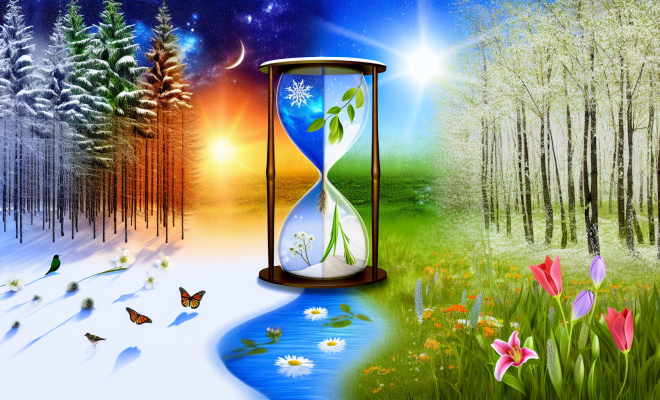
The vernal equinox is a momentous astronomical event that signifies the transition from winter to spring in the Northern Hemisphere. In 2026, this event is set to occur on Friday, March 20 at 10:46 PM Philippine time. As the Sun crosses directly over the Earth’s equator, it creates a unique balance of day and night, a phenomenon that captivates astronomers and nature enthusiasts alike.
Understanding the Vernal Equinox
The vernal equinox marks one of the four pivotal moments in Earth’s annual journey around the Sun. The equinoxes—spring and autumn—are defined by the moment when the Sun is positioned directly above the equator, resulting in nearly equal lengths of day and night across the globe. The term “equinox” itself originates from the Latin words “aequus” (equal) and “nox” (night), reflecting this remarkable balance of light.
Global Impact
As the vernal equinox approaches, areas in the Northern Hemisphere will experience the first hints of spring, with longer daylight hours and warmer temperatures. Conversely, in the Southern Hemisphere, it marks the onset of autumn, as daylight hours shorten and temperatures begin to cool.
- In the Northern Hemisphere: March 20 signals the arrival of spring, often associated with new beginnings, blooming flowers, and the renewal of life.
- In the Southern Hemisphere: The same date heralds autumn, a time for harvest and preparation for the upcoming winter months.
This duality of experience is one of the fascinating aspects of the equinox and highlights the interconnectedness of Earth’s ecosystems.
The Science Behind the Equinox
The mechanics of the equinox can be attributed to the tilt of Earth’s axis, which is approximately 23.5 degrees. This axial tilt is responsible for the various seasons we experience throughout the year. As Earth orbits the Sun, different regions receive varying amounts of sunlight at different times, creating the seasonal changes we observe.
During the vernal equinox, the following occurs:
- The Sun rises exactly in the east and sets exactly in the west.
- Day and night are of nearly equal length, with some variations depending on geographical location.
This celestial alignment occurs only twice a year, during the vernal and autumnal equinoxes, making them significant dates in the astronomical calendar.
Historical Significance
The significance of the equinoxes dates back thousands of years, with many cultures celebrating these events as they marked crucial points in the agricultural calendar. Ancient civilizations, including the Egyptians and the Mayans, constructed monumental structures aligned with the Sun’s position during equinoxes, demonstrating their understanding of celestial movements.
For instance, the famous Stonehenge in England is believed to have been constructed as a solar observatory, allowing ancient peoples to mark the equinoxes and solstices with precision. Similarly, the Mayans built their temples to align with the equinox, integrating their agricultural practices with their understanding of astronomy.
Modern-Day Observations and Celebrations
Today, the vernal equinox continues to be a moment of celebration and reflection. Many cultures around the world hold festivals and events to honor the arrival of spring.
- Nowruz: One of the most notable celebrations is Nowruz, the Persian New Year, which marks the first day of spring and the beginning of the year in the Iranian calendar.
- Holi: In India, the festival of Holi, also known as the Festival of Colors, celebrates the arrival of spring with vibrant colors and joyous festivities.
- Equinox Festivals: Various equinox festivals take place globally, emphasizing themes of rebirth, renewal, and balance.
These celebrations highlight the enduring human connection to the rhythms of nature and the importance of seasonal changes.
Conclusion
The vernal equinox is more than just an astronomical event; it is a reminder of our planet’s intricate relationship with the Sun and the cyclical nature of life. As we approach March 20, 2026, people around the world will look forward to the balance of day and night and the promise of new beginnings that spring brings.
Whether through scientific observation or cultural celebration, the vernal equinox invites us to reflect on the beauty of nature and the remarkable mechanics that govern our planet’s journey through the cosmos.