Sleep Apps: A Double-Edged Sword for Insomnia Sufferers
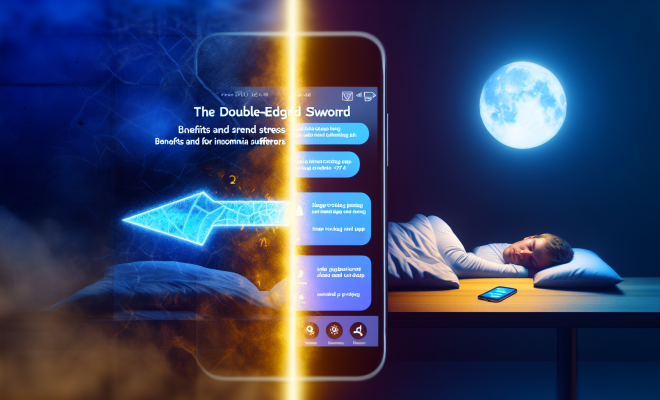
In recent years, the proliferation of sleep-tracking applications has transformed how individuals monitor their sleep patterns. A study conducted by Norwegian scientists published in Frontiers in Psychology reveals a complex relationship between these apps and sleep quality, particularly among those who struggle with insomnia.
The Promise of Sleep Apps
Sleep apps are marketed as tools to help users improve their sleep habits by tracking various metrics, including sleep onset time, sleep duration, and overall sleep quality. Many users have reported positive experiences, claiming that these applications provide insights that lead to healthier sleep routines. Researchers Håkon Lundekvam Berge and Karl Erik Lundekvam from the University of Bergen conducted an in-depth analysis of these claims and found a nuanced landscape.
Insights from the Study
The study investigated how different demographics respond to sleep app feedback, particularly focusing on younger adults who are often the most enthusiastic users of technology. Interestingly, while younger individuals reported a higher perceived benefit from using sleep-tracking apps, they also experienced heightened levels of stress and worry related to their sleep.
This phenomenon raises concerns about a condition known as orthosomnia. Orthosomnia occurs when individuals become overly focused on the data provided by sleep apps, leading to increased anxiety about their sleep quality. Instead of fostering better sleep, the constant monitoring can create a cycle of stress that ultimately worsens sleep outcomes.
The Impact on Insomnia Sufferers
For individuals already grappling with insomnia, the use of sleep apps can be particularly counterproductive. While these applications aim to provide helpful feedback, the reality is that they may exacerbate existing anxieties. Many users with insomnia find themselves obsessing over the metrics, leading to a vicious cycle of stress and poor sleep quality.
- Increased anxiety: The feedback from sleep apps can create an unrealistic expectation of sleep quality, causing users to feel inadequate when they do not meet those standards.
- Data interpretation: Users may misinterpret the app’s feedback, leading to unnecessary worry about their sleep habits.
- Sleep quality deterioration: The pressure to achieve ‘perfect’ sleep metrics may result in more sleepless nights.
Demographics and Variability in Responses
One of the key takeaways from the study is the variability in how different demographic groups respond to sleep app feedback. Younger adults, who are often more tech-savvy and open to using digital solutions, might find themselves in a unique position. While they may gain some insights into their sleep patterns, they are also at risk of becoming overly reliant on technology for their sleep health.
Conversely, older adults or those with less experience in utilizing technology may not engage with sleep apps in the same way, potentially leading to different outcomes. This variability underscores the need for more targeted research to understand how different populations interact with sleep-tracking technology.
Accuracy of Sleep Apps: A Cause for Concern
Another crucial aspect of this discussion is the accuracy of sleep apps. Most sleep-tracking applications rely on algorithms to measure sleep patterns, but their precision can be questionable. Many apps utilize movement and sound detection to estimate sleep stages, which may not always align with scientific standards.
Given the potential inaccuracies, users should approach sleep app data with caution. Relying on these apps for definitive assessments of sleep quality may lead to misguided conclusions and increased anxiety.
The Need for Further Research
The findings from the study by Berge and Lundekvam highlight the necessity for further research in this burgeoning field. As sleep technology continues to evolve, understanding the psychological impacts of sleep-tracking apps is vital. Researchers and developers must consider how to create user-friendly interfaces that foster positive sleep behaviors without inducing stress.
Moreover, there is a pressing need for studies that explore the long-term effects of sleep app usage on various demographic groups. By investigating how different individuals respond to sleep data, researchers can help inform the design of apps that are not only effective but also supportive of mental well-being.
Conclusion: A Balanced Approach to Sleep Tracking
In conclusion, sleep apps can serve as valuable tools for many people seeking to improve their sleep hygiene. However, for those suffering from insomnia, these applications can inadvertently add stress and anxiety. As the technology continues to advance, it is crucial for users to remain aware of their mental health and approach sleep-tracking apps with a balanced mindset. Recognition of the potential downsides of these apps, alongside their benefits, can help individuals make informed decisions about their sleep health.