How to use Pomodoro technique
“`html
The Pomodoro technique is more than just a time-management method; it’s a revolutionary approach to productivity that has captured the attention of professionals, students, and anyone looking to optimize their focus. Developed by Francesco Cirillo in the late 1980s, this technique utilizes intervals of intense work followed by short breaks, allowing individuals to enhance their concentration and stave off burnout. In this article, we’ll explore the Pomodoro technique in detail, breaking down its benefits, practical applications, and how you can effortlessly integrate it into your daily routine.
1. The Origins of the Pomodoro Technique
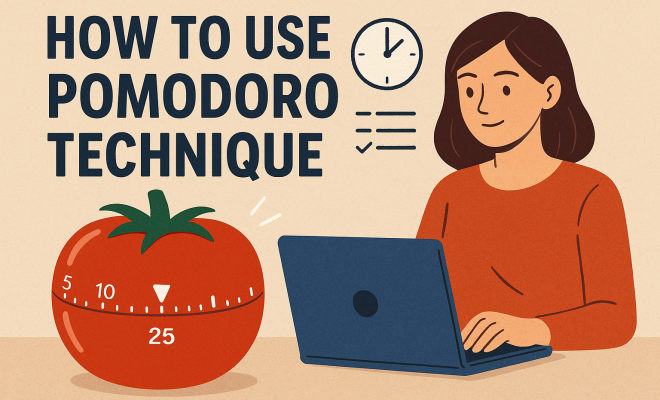
The Pomodoro technique emerged from Francesco Cirillo’s quest to enhance his own productivity while studying at university. Frustrated by distractions and the inability to focus for extended periods, Cirillo devised a system that incorporated timed intervals of work and rest. He began using a kitchen timer shaped like a tomato (“pomodoro” in Italian), hence the name of the technique.
Cirillo’s method was not only effective for him; it quickly gained popularity among peers and has since been embraced by countless individuals worldwide. The core principle is simple: work in focused bursts, typically 25 minutes, followed by a 5-minute break. After completing four such intervals, a longer break of 15-30 minutes is taken. This cycle helps maintain high levels of concentration while preventing mental fatigue.
2. Key Principles of the Pomodoro Technique
The Pomodoro technique is built on a few foundational principles that contribute to its effectiveness:
- Time Management: The technique encourages you to allocate specific blocks of time to tasks, which can help prioritize your workload and reduce procrastination.
- Focus and Concentration: By dedicating short, uninterrupted bursts of time to a single task, you train your brain to focus and improve your cognitive abilities over time.
- Work-Life Balance: The built-in breaks prevent burnout by allowing for necessary rest, ensuring that you’re not just working harder but working smarter.
These principles work hand-in-hand, creating a structured environment that fosters productivity while providing the mental space needed to recharge.
3. Getting Started with the Pomodoro Technique
Implementing the Pomodoro technique is straightforward. Here’s a step-by-step guide to get you started:
- Choose a Task: Select a specific task or project you want to work on. This could be anything from writing a report to studying for an exam.
- Set a Timer: Use a timer and set it for 25 minutes. This is your work interval, or “Pomodoro.” During this time, focus solely on the task at hand.
- Work Until the Timer Rings: Engage in deep work without distractions until the timer goes off. If distractions arise, jot them down for later so you can continue focusing.
- Take a Short Break: Once the timer rings, take a 5-minute break. Use this time to stretch, grab a drink, or simply relax your mind.
- Repeat: After completing four Pomodoros, take a longer break of 15-30 minutes to recharge.
This simple framework allows for flexibility while promoting a structured approach to managing tasks and time.
4. Benefits of the Pomodoro Technique
The Pomodoro technique offers numerous benefits that can enhance both your productivity and overall well-being. Here are some of the key advantages:
- Increased Productivity: By focusing on one task at a time, you can complete more work in less time. The method encourages a sense of urgency, motivating you to push through tasks efficiently.
- Reduced Mental Fatigue: Regular breaks prevent mental exhaustion, allowing you to maintain a high level of productivity throughout the day.
- Enhanced Focus: The short bursts of focused work help improve your ability to concentrate, making it easier to tackle complex tasks.
- Greater Awareness of Time: The technique helps you become more conscious of how you spend your time, aiding in better time management and planning for future tasks.
These benefits make the Pomodoro technique an appealing option for anyone looking to boost their efficiency and manage their time better. (See: Pomodoro Technique – Wikipedia.)
5. Common Challenges and How to Overcome Them
While the Pomodoro technique can be highly effective, some individuals may encounter challenges when implementing it. Here are a few common hurdles and tips to overcome them:
- Distractions: It can be challenging to maintain focus, especially in a distracting environment. To combat this, create a workspace that minimizes interruptions. Use noise-canceling headphones, or consider apps that block distracting websites during your work intervals.
- Task Underestimation: Sometimes, tasks may take longer than expected. If you find this happening, consider adjusting the length of your work intervals. Experiment with different durations, such as 30 or 45 minutes, until you find what works best for you.
- Resistance to Breaks: Some may feel guilty taking breaks or worry that they will lose momentum. Remember, breaks are essential for maintaining productivity. Embrace them as a necessary part of your workflow, and use them to recharge.
By addressing these challenges proactively, you can ensure a smoother experience while using the Pomodoro technique.
6. Tools and Apps to Enhance Your Pomodoro Experience
There are several tools and apps designed to facilitate the Pomodoro technique, making it easier to track your intervals and breaks. Here are some popular options:
- Focus Booster: This app provides an easy-to-use interface for managing your Pomodoros, allowing you to track your productivity over time.
- Tomato Timer: A web-based timer that is extremely simple and effective. You can set your Pomodoro intervals and breaks without needing to download anything.
- Forest: A unique app that encourages focus by allowing you to plant a virtual tree while you work. If you leave the app, your tree dies, providing an incentive to stay focused.
These tools can make it easier to adhere to the Pomodoro technique and track your progress, further enhancing your productivity.
7. Current Relevance and Adaptations of the Pomodoro Technique
As we navigate an increasingly digital world, the Pomodoro technique remains relevant for individuals grappling with distractions from technology and social media. Many professionals and students have adapted the technique to fit their unique needs. For instance, some opt for longer work intervals when engaging in complex tasks, while others may combine the Pomodoro technique with other methods, such as the Eisenhower Matrix, to prioritize tasks more effectively.
The growing emphasis on mental health and work-life balance also plays a crucial role in the technique’s ongoing popularity. Many now recognize the importance of taking breaks for mental rejuvenation, making the Pomodoro technique an appealing option for those seeking to maintain productivity without sacrificing their well-being.
In sum, the Pomodoro technique is not just a fad; it’s a time-tested approach that can transform the way you work and manage your time. With its straightforward structure, adaptability, and proven benefits, it’s no wonder that this technique continues to resonate with so many people today.
8. Real-Life Success Stories Using the Pomodoro Technique
Numerous professionals and students have shared their success stories after implementing the Pomodoro technique. For example, a marketing manager named Sarah found that using this method helped her manage her overwhelming workload during a product launch. She reported that breaking her tasks into Pomodoros allowed her to focus on crafting compelling content while avoiding the burnout that usually accompanied her previous approach of working long hours without breaks.
Similarly, a college student, Mark, used the technique to prepare for his finals. He discovered that by structuring his study sessions into focused intervals, he retained information better and felt less stressed. His experience highlights how the Pomodoro technique can be adapted for various contexts and tasks, making it a versatile tool for enhancing productivity.
9. Statistics on Productivity and Time Management
Research backs up the effectiveness of time management techniques like the Pomodoro technique. A survey conducted by the productivity app Todoist found that users who adopted structured time management methods reported a 25% increase in productivity. Additionally, a study published in the Journal of Psychological Science revealed that working in bursts (similar to the Pomodoro intervals) can lead to improved focus and performance.
On average, people using time management techniques were able to complete their tasks 20% faster than those who didn’t, demonstrating the potential of the Pomodoro technique for improving efficiency. These statistics provide compelling evidence that adopting such strategies can yield substantial benefits in various settings. (See: Stress Management – CDC.)
10. Comparing the Pomodoro Technique with Other Time Management Methods
While the Pomodoro technique is widely popular, it’s helpful to compare it with other time management strategies to determine what might work best for you. Here are some notable comparisons:
- Time Blocking: This method involves dedicating specific blocks of time to certain tasks throughout the day. Unlike the Pomodoro technique, which breaks work into short intervals, time blocking can allow for longer, uninterrupted work periods. Time blocking can be beneficial for individuals who find they need more time to dive deeply into complex tasks.
- Getting Things Done (GTD): GTD emphasizes capturing tasks and ideas as they come to you. It focuses on organizing them by context and priority. While GTD excels in organization, it might lack the urgency and structure of the Pomodoro technique, which can lead to more spontaneous productivity bursts.
- 2-Minute Rule: Proposed by productivity expert David Allen, the 2-Minute Rule suggests that if a task will take less than two minutes to complete, do it immediately. This method can complement the Pomodoro technique by handling small tasks during breaks or even within Pomodoro intervals, preventing them from piling up.
Each of these methods has its strengths and weaknesses, and many individuals find success by blending different techniques to create a personalized approach to productivity.
11. Frequently Asked Questions About the Pomodoro Technique
Here are some common questions people ask about the Pomodoro technique and their answers:
1. Can I adjust the length of the Pomodoro intervals?
Absolutely! While traditional Pomodoros are 25 minutes long, you can adjust this time based on your preferences and the complexity of the task at hand. Some people find that 30 or 45 minutes works better for them, especially when engaging in more involved projects.
2. What activities are best suited for the Pomodoro technique?
The Pomodoro technique is versatile and can be used for various activities, including studying, writing, coding, or even simple household tasks. Almost any task that requires focus and can benefit from structured time management can be improved with this technique.
3. How do I handle interruptions during a Pomodoro?
If you encounter an interruption during a Pomodoro, jot down the distraction on a notepad and return to your task. This approach allows you to acknowledge the distraction without derailing your focus. After your Pomodoro, you can address the note you made.
4. Is the Pomodoro technique suitable for team settings?
The Pomodoro technique can be adapted for team settings, but it works best when team members coordinate their Pomodoros. For instance, team members can align their work intervals and breaks, creating a shared rhythm that fosters collaboration and minimizes interruptions.
5. Can I use the Pomodoro technique for creative work?
Many artists and writers use the Pomodoro technique effectively for creative tasks. The key is to find a balance that allows for both focused intervals and creative flow. Some find that shorter or longer intervals help them tap into their creativity better, so experimentation is encouraged.
6. What if I finish a task before the Pomodoro timer ends?
If you complete a task before the timer goes off, you can either take a break early or use the remaining time to review your work or plan your next steps. This flexibility allows you to maximize your productivity without feeling constrained by the timer.
12. Challenges in Maintaining Consistency with the Pomodoro Technique
While many find success with the Pomodoro technique, maintaining consistency can be a challenge over time. Life can often throw unexpected distractions your way, or you may find some days are simply less productive. To overcome this, consider these strategies:
- Set Clear Goals: Before starting your day, outline specific goals you want to achieve. Having a clear focus can help you stick to the Pomodoro intervals.
- Track Your Progress: Keep a log of completed Pomodoros and the tasks finished. Tracking can motivate you to stay committed and see the results of your efforts.
- Evaluate and Adjust: Regularly assess how the technique is working for you. If you notice you’re struggling, it may be time to adjust the length of your intervals or the nature of your breaks.
13. Pomodoro Technique for Different Personality Types
Understanding how different personality types respond to the Pomodoro technique can help you optimize your experience. For example:
- The Perfectionist: This personality may struggle with the time constraints of the Pomodoro technique. They can benefit from adjusting their intervals to allow for more thorough work on complex tasks while still incorporating breaks to prevent burnout.
- The Procrastinator: The structured intervals of the Pomodoro technique can be particularly helpful for procrastinators. By setting short bursts of work, they can combat overwhelm and gradually increase their productivity over time.
- The Creative: Creative individuals might prefer longer intervals to allow for deeper engagement with their tasks. Adjusting the Pomodoro technique to include longer work sessions may help them tap into their creative flow while still benefiting from breaks.
14. Pomodoro Technique in a Remote Work Environment
With the rise of remote work, the Pomodoro technique has gained even more traction among those seeking to enhance their productivity. Working from home presents its own set of challenges, such as household distractions and blurred boundaries between work and personal life. Implementing the Pomodoro technique can create a structured framework within which remote workers can operate effectively.
Moreover, teams working remotely can adopt a synchronized Pomodoro schedule to foster collaboration. Regular check-ins at the end of each Pomodoro can encourage team bonding and accountability, ensuring everyone stays connected and engaged.
15. Final Thoughts on the Pomodoro Technique
The Pomodoro technique is more than just a simple timing method; it’s a comprehensive strategy designed to enhance productivity, focus, and overall well-being. By learning to manage your time effectively, you can reduce stress and create a work environment that fosters creativity and efficiency. Whether you’re a professional, student, or anyone looking to improve their time management skills, the Pomodoro technique offers a structured yet flexible approach that can accommodate varied tasks and personal preferences.
As you explore this technique, remember that it’s all about finding what works best for you. With practice and adaptation, you’ll likely discover that the Pomodoro technique aligns well with your workflow, making it an invaluable tool in your productivity arsenal.
“`
Trending Now
Frequently Asked Questions
What is the Pomodoro technique?
The Pomodoro technique is a time-management method that uses intervals of focused work followed by short breaks to enhance productivity. Developed by Francesco Cirillo in the late 1980s, it typically involves 25 minutes of work followed by a 5-minute break, promoting concentration and preventing burnout.
How do you implement the Pomodoro technique?
To implement the Pomodoro technique, choose a task, set a timer for 25 minutes, and work on that task uninterrupted until the timer goes off. Afterward, take a 5-minute break. Repeat this cycle, and after four intervals, take a longer break of 15-30 minutes to recharge.
What are the benefits of using the Pomodoro technique?
The Pomodoro technique offers several benefits, including improved focus and concentration, better time management, reduced procrastination, and enhanced work-life balance. By breaking tasks into manageable intervals, it helps maintain high productivity levels while minimizing mental fatigue.
Who invented the Pomodoro technique?
The Pomodoro technique was invented by Francesco Cirillo in the late 1980s. Frustrated with distractions while studying, he created a system that utilized timed work intervals, using a kitchen timer shaped like a tomato, which is where the name 'Pomodoro' comes from.
Can the Pomodoro technique help with procrastination?
Yes, the Pomodoro technique can significantly help with procrastination. By breaking work into short, focused intervals, it encourages individuals to tackle tasks without feeling overwhelmed, making it easier to start and maintain momentum on projects.
What did we miss? Let us know in the comments and join the conversation.