How to refill ink cartridges
“`html
When your printer runs low on ink, it can feel like a race against time. Whether you’re printing crucial documents for work or those beloved family photos, running out of ink is a frustrating experience. Instead of rushing to the store to buy a new cartridge, have you ever considered how to refill ink cartridges yourself? Not only can this save you money, but it also allows you to reduce waste. In this guide, we’ll explore everything you need to know about refilling ink cartridges, including the benefits, methods, and step-by-step instructions.
1. The Benefits of Refilling Ink Cartridges
Before diving into the specifics of refilling ink cartridges, let’s discuss why this practice is gaining popularity. First and foremost, refilling is a cost-effective solution. New cartridges can be expensive, costing anywhere from $15 to $50 or more, depending on the brand and type of printer. In contrast, refilling an ink cartridge can cost as little as $5 to $10, making it an attractive option for budget-conscious consumers.
Secondly, refilling ink cartridges is an eco-friendly choice. Millions of cartridges are thrown away every year, contributing to significant landfill waste. By refilling and reusing your cartridges, you’re taking a step towards reducing your environmental footprint. This aligns well with the growing movement towards sustainability and responsible consumption.
Lastly, refilling your own cartridges can offer a sense of empowerment and independence. You’re no longer tied to the pricing strategies of ink manufacturers, which can fluctuate dramatically. It allows you to take control of your printing costs, especially if you print frequently for home or office use.
2. Understanding Your Printer and Ink Cartridge
Not all ink cartridges are created equal. There are two main types: inkjet cartridges and toner cartridges. Inkjet cartridges contain liquid ink and are used in home printers, while toner cartridges are filled with powder and are utilized in laser printers. When planning to refill ink cartridges, knowing the specific type in your printer is crucial.
Additionally, different printer brands have their proprietary cartridges. Popular brands like HP, Canon, and Epson have unique designs, and some may even lock their cartridges to prevent refilling. It’s essential to research your specific printer model and cartridge type before attempting a refill. This knowledge will help you choose the right kit and avoid damaging your printer.
It’s also worth noting that many manufacturers offer specific guidelines or warnings against refilling cartridges. Some printers have features that may outright refuse to accept refilled cartridges due to built-in sensors. Understanding these nuances can save you time and frustration.
3. Gathering the Necessary Supplies
To refill ink cartridges successfully, you’ll need a few supplies. Here’s a list of what you’ll need:
- Refill ink compatible with your cartridge type
- Refilling kit, typically including a syringe and needle
- Gloves to keep your hands clean
- Paper towels for clean-up
- Plastic bag or container to protect your workspace
- Instruction manual for your specific cartridge (if possible)
Having the right tools will make the process smoother and help you avoid costly mistakes. It’s also wise to work in a well-ventilated area since some inks can have strong fumes.
In addition to the basic supplies, consider keeping a few extra items on hand, such as a small funnel for easier ink transfer and a pair of scissors to cut any seals or stickers that may be obstructing access to the fill holes. These tools can make the refilling process more efficient and less messy.
4. Preparing to Refill Your Cartridge
Once you have your supplies ready, the next step is preparing your cartridge. Start by removing the ink cartridge from your printer. Make sure to handle it carefully to avoid any damage or spills. Before refilling, check to see how much ink is left in the cartridge. If it’s just slightly empty, it may not need a refill, as some cartridges are designed to last longer than others.
Next, locate the fill holes on your cartridge. Some cartridges have a visible hole, while others may require you to remove a sticker or plug. Be cautious not to puncture or damage the cartridge body during this process. If you’re unsure about where to find the fill holes, consult the instruction manual or a guiding video for your specific model. (See: What is recycling?.)
Taking the time to thoroughly clean the cartridge and its surrounding area before starting can significantly reduce the risk of contamination during refilling. Dust and debris can impact print quality, so a quick clean is always a good idea.
5. Step-by-Step Guide to Refilling Ink Cartridges
Now that you’re prepared, let’s get into the nitty-gritty of the refilling process. Here’s a straightforward step-by-step guide:
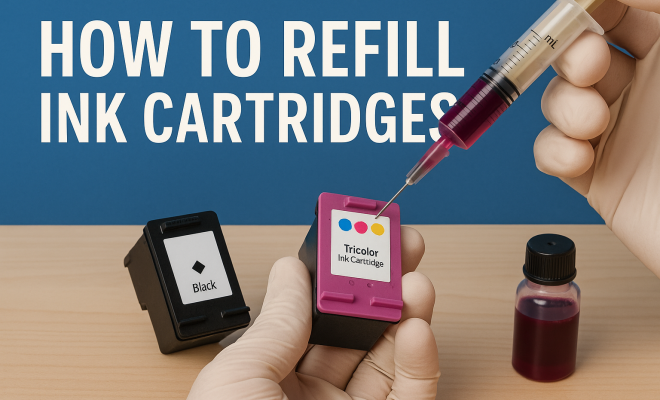
- Fill the Syringe: Use the syringe included in your refilling kit to draw up the ink. Be sure to use the correct ink for your cartridge type, as mixing can create problems.
- Inject Ink into the Cartridge: Carefully insert the syringe needle into the fill hole of the cartridge. Slowly inject the ink until you feel resistance or see ink pooling at the top. Avoid overfilling, as this can cause leaks.
- Seal the Cartridge: If your cartridge had a sticker or plug, replace it securely. Make sure there are no leaks before you proceed.
- Clean Up: Wipe any excess ink from the cartridge with a paper towel. Dispose of used materials, and wash your hands thoroughly.
- Test the Cartridge: Reinstall the cartridge into your printer and run a test print to check for proper functioning.
Following these steps will help ensure a successful refill. It’s important to note that not all cartridges can be refilled – some are designed to be single-use only. Always do your research ahead of time.
If you encounter any resistance while injecting ink, gently withdrawing the syringe and allowing for air bubbles to escape before trying again can help prevent overflow. Patience is key during this step.
6. Common Issues and Troubleshooting
Even with careful planning, issues may arise during the refilling process. One common problem is air bubbles in the cartridge, which can lead to poor print quality. If you experience this, try gently tapping the cartridge to dislodge the bubbles or performing a print head cleaning using your printer’s maintenance menu.
Another issue is ink leaking from the cartridge, which can be a messy situation. If this happens, double-check the seals and make sure you didn’t overfill the cartridge. If it continues to leak, it may be time to consider a new cartridge instead.
Lastly, you might notice that your printer isn’t recognizing the refilled cartridge. This can happen with some brands that have built-in sensors. In such cases, you may need to reset the printer’s chip, which can often be done with a simple tool or by following specific instructions provided by the manufacturer.
Printing streaks or faded colors can also be a sign of a blocked print head. Regular maintenance, such as using the printer’s cleaning cycle every few months, can help prevent such issues, ensuring your prints are always sharp and vibrant.
7. Comparing Refilling vs. Buying New Cartridges
It’s crucial to weigh your options when considering whether to refill ink cartridges or buy new ones. Refilling can be a great way to save money and reduce waste, but it comes with potential downsides. The process requires careful attention to detail, and not every cartridge is refillable. Additionally, some refilled cartridges may not deliver the same print quality as new ones.
On the other hand, purchasing new cartridges ensures that you’re using the manufacturer’s recommended product, which is designed for optimal performance. However, this can quickly become expensive, especially if you print frequently.
Ultimately, the choice between refilling and buying new cartridges depends on your printing habits, your budget, and your commitment to sustainability. If you’re an occasional printer, refilling offers a compelling option to save money without compromising too much on quality.
It’s also worth considering the long-term implications of your choice. If you print regularly, investing in a high-capacity cartridge or a printer model designed for easy refilling could end up being more economical and environmentally friendly in the long run.
8. The Future of Ink Cartridges
The future of printing and ink cartridges is evolving rapidly. With advances in technology, companies are exploring more sustainable options, such as refillable ink tanks and subscription services. These alternatives can provide users with more cost-effective solutions while promoting eco-friendliness.
Some brands are already introducing printers designed for high-volume printing that feature large ink tanks. These tanks can be refilled easily, significantly reducing the cost per page and the environmental impact. As these innovations continue to gain traction, we may see a shift in how consumers engage with printing technology. (See: Environmental impact of plastic waste.)
Furthermore, there’s a growing trend of eco-conscious consumers opting for printers that use biodegradable or less harmful materials for their ink. This not only contributes to a sustainable future but also aligns with the increasing demand for greener practices in all aspects of life.
9. Understanding Different Types of Ink
When refilling ink cartridges, it’s essential to understand the different types of ink available. The most common types are dye-based and pigment-based inks. Dye-based inks are known for producing vibrant colors and are often used in photo printing. They tend to be cheaper and are more widely available. However, they can fade over time, especially when exposed to sunlight.
Pigment-based inks, on the other hand, are more durable and resistant to fading, making them ideal for documents that need to last. Although they tend to be more expensive, they often deliver better results for professional-quality prints. Knowing which type of ink is best for your printing needs can help you make informed decisions about refilling your cartridges.
Another emerging category is eco-friendly inks, which are made from natural, renewable resources. While they may not yet be mainstream, they reflect a significant shift toward sustainability in printing technology.
10. Refilling Ink Cartridges: Is It Worth the Effort?
Refilling ink cartridges may sound like a hassle, but many find it well worth the effort. For those who print frequently or require large volumes of ink, the savings can really add up. Moreover, the satisfaction of taking an active role in the sustainability movement and reducing waste is gratifying for many users.
Think about it this way: if you print a lot, each cartridge you refill means one less cartridge in the landfill. Additionally, the process can be empowering—by refilling your own cartridges, you become less reliant on manufacturers and their pricing strategies. It’s a win-win situation that combines financial savings with environmental benefits.
Many users also report that the quality of their prints improves over time as they learn the nuances of their specific cartridges and the best types of ink to use. This ongoing journey of experimentation can lead to impressive results that rival those of store-bought cartridges.
11. Expert Perspectives on Refilling Ink Cartridges
Experts in the printing industry have noted that while refilling cartridges is a great option for some, others may find it problematic. Dr. Sarah Jennings, a printing technology specialist, states, “For the average consumer, refilling cartridges can seem daunting, but with the right tools and knowledge, it can become a straightforward task.” She recommends that those new to the process start with simpler cartridges before moving on to more complex ones.
John Miller, a sustainability advocate, highlights the environmental benefits. “Every cartridge that is reused is a step towards reducing plastic waste. Consumers are becoming more aware of their choices, and many prefer to support sustainable practices.” His views align with the growing trend of eco-conscious consumerism, where buying habits reflect a desire to protect the environment.
Another expert, Maria Chen, a product manager at a leading printer company, emphasizes the importance of user education. “We need to ensure that consumers have access to clear instructions and resources to avoid frustration and mishaps when refilling cartridges. The right guidance can turn a tedious task into a rewarding one.”
12. FAQs About Refilling Ink Cartridges
Q: Can I refill any ink cartridge?
A: Not all cartridges are designed to be refilled. Some manufacturers produce cartridges that are single-use only with built-in chips that prevent refilling. Always check your specific cartridge model. (See: Contaminants in drinking water.)
Q: Is the ink used for refilling the same as that in new cartridges?
A: Generally, yes. However, it’s crucial to use ink specifically designed for your cartridge type to ensure compatibility and quality. Using the wrong ink can damage your printer.
Q: How often can I refill my cartridges?
A: The number of times you can refill a cartridge varies by brand and model. Some cartridges can be refilled several times, while others may not be durable enough to withstand multiple refills.
Q: Will my print quality be the same after refilling?
A: Print quality can vary depending on the ink used and the cartridge’s condition. Refilled cartridges may not always match the quality of new cartridges but can still produce satisfactory results for everyday printing.
Q: What should I do if my printer won’t recognize the refilled cartridge?
A: If your printer doesn’t recognize the refilled cartridge, try resetting the printer chip, cleaning the cartridge contacts, or consulting the manufacturer’s guidelines for troubleshooting.
Q: Are there any risks associated with refilling cartridges?
A: There are a few risks, such as leaks, poor print quality, or damage to your printer if done incorrectly. However, following proper procedures and using the right tools can minimize these risks.
13. Best Practices for Refilling Ink Cartridges
To maximize your success when refilling ink cartridges, consider these best practices:
- Choose Quality Ink: Invest in high-quality refill ink designed specifically for your cartridge. Cheaper alternatives may save you money but can lead to poor print quality.
- Follow Instructions: Always refer to the instructions provided with your refilling kit. Each type of cartridge may have specific requirements that are crucial for successful refilling.
- Keep a Clean Workspace: Maintain a clean area when refilling to avoid contamination. Use protective coverings to contain any potential spills.
- Don’t Rush: Take your time during the process. Rushing can lead to mistakes, such as overfilling or damaging the cartridge.
- Monitor Performance: After refilling, keep an eye on print quality. Regularly check for any signs of leakage or malfunctioning to address issues promptly.
14. Final Thoughts on Refilling Ink Cartridges
In today’s world of convenience and instant gratification, the art of refilling ink cartridges offers a chance to engage more thoughtfully with your printing habits. It’s not only about saving money; it’s about making a decision that impacts your finances, the environment, and your own skills.
If you decide to embark on this journey, take your time to research and understand the process. Whether you’re refilling to save money, reduce waste, or simply enjoy the challenge, it’s a rewarding endeavor that can lead to significant benefits both for you and the planet.
Ultimately, the choice to refill ink cartridges should align with your personal needs and values. As you weigh the pros and cons, consider not only the financial aspect but also the satisfaction of being a more mindful consumer in today’s eco-conscious world.
“`
Trending Now
Frequently Asked Questions
How do you refill ink cartridges?
Refilling ink cartridges involves a few simple steps: gather your materials, identify the type of cartridge, carefully inject ink using a syringe, and seal it properly. Always follow manufacturer guidelines and safety precautions to avoid damaging your printer.
Is it cheaper to refill ink cartridges?
Yes, refilling ink cartridges is significantly cheaper than buying new ones. While new cartridges can cost between $15 to $50, refilling typically costs only $5 to $10, making it a more budget-friendly option.
What are the benefits of refilling ink cartridges?
Refilling ink cartridges can save money, reduce environmental waste, and provide greater independence from ink manufacturers' pricing. It supports sustainability efforts by minimizing the number of cartridges that end up in landfills.
Can all ink cartridges be refilled?
Not all ink cartridges can be refilled. Inkjet cartridges are commonly refillable, while some toner cartridges may have restrictions. It's important to check the specific type and manufacturer guidelines before attempting to refill.
Is refilling ink cartridges safe for printers?
When done correctly, refilling ink cartridges is generally safe for printers. However, improper refilling can lead to leaks or clogs. Always use the right type of ink and follow safety instructions to protect your printer.
Agree or disagree? Drop a comment and tell us what you think.