How to propagate plants from cuttings
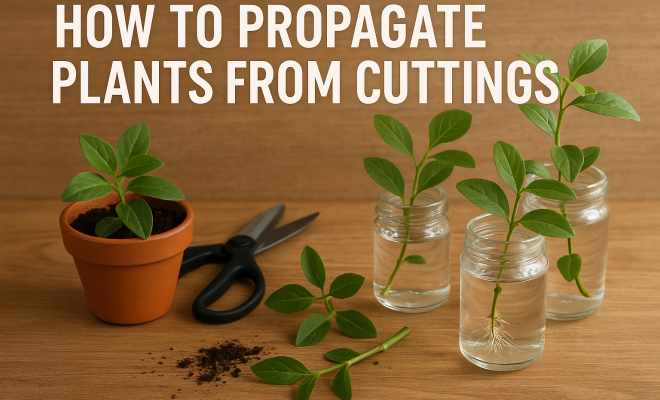
1. Understanding Plant Propagation: An Overview
Propagation is a key method in the world of gardening that allows you to create new plants from existing ones. Among various techniques, propagating plants from cuttings is one of the most popular due to its simplicity and effectiveness. This method involves taking a segment of a plant, usually a stem or leaf, and encouraging it to grow roots. Once rooted, the cutting can grow into a new, independent plant.
The practice of propagating plants from cuttings dates back centuries and has been used by gardeners and horticulturists alike to cultivate a wide array of species. From houseplants like pothos and succulents to outdoor favorites like roses and hydrangeas, cuttings can lead to an abundance of new growth. Understanding the biology behind this process is essential for success, as different plants have unique requirements for rooting.
2. Types of Cuttings: Which One to Choose?
When it comes to propagating plants from cuttings, the first step is deciding which type of cutting to use. There are mainly three types: stem cuttings, leaf cuttings, and root cuttings. Each type has its own set of guidelines and success rates.
- Stem Cuttings: These are the most common type. Stem cuttings can be taken from herbaceous plants or woody plants. They need to be taken from healthy stems and should ideally have a few leaves attached. The cut should be made just below a node, which is where leaves attach to the stem.
- Leaf Cuttings: This method involves taking a single leaf or a section of a leaf. Leaf cuttings are typically used for plants like succulents and begonias. It is essential that the leaf has a healthy vein structure to encourage root development.
- Root Cuttings: Root cuttings are less common but can be highly effective for certain perennials. This involves taking a small section of the root and planting it to encourage new growth.
3. When to Take Cuttings: Timing is Key
Timing plays a crucial role in the successful propagation of plants from cuttings. The best time to take cuttings generally depends on the species of the plant, but most can be propagated in spring or early summer when the plants are actively growing. During this time, plants produce new growth, making it easier for cuttings to root.
For woody plants like shrubs, late summer can also be a suitable time, as the stems are firm but still young enough to root successfully. In contrast, some tropical plants might be propagated throughout the year but get best results during their growing season. If in doubt, always research the specific plant type for optimal timing.
4. Tools You’ll Need: Essential Equipment for Success
If you want to get serious about propagating plants from cuttings, you’ll need some basic tools on hand. While it might seem like a daunting task, gathering a few essential items can make the process smoother and more efficient.
- Sharp Knife or Scissors: Clean cuts are vital to prevent damage to both the parent plant and the cutting. A sharp knife or pair of scissors will help ensure a clean cut.
- Rooting Hormone: Although not always necessary, rooting hormone can significantly enhance the rooting process. This powder or gel stimulates root growth and is especially useful for tougher plant varieties.
- Containers: Proper containers are essential for holding the cuttings during their rooting phase. Small pots, seed trays, or even recycled containers can work well, as long as they have drainage holes.
- Potting Mix: A well-draining potting mix is critical for successful rooting. It should retain some moisture but allow excess water to flow away, preventing rot.
5. Taking the Cutting: Step-by-Step Guide
Now comes the fun part—actually taking the cutting! Start by selecting a healthy, robust section of the plant you wish to propagate. Remember to wear gloves if necessary, as some plants can irritate the skin. Here’s a quick process to follow:
- Use your sharp knife or scissors to cut a 4 to 6-inch section of the stem just below a node.
- Remove any lower leaves that might touch the soil once planted, but leave a couple of leaves at the top to aid photosynthesis.
- If using a rooting hormone, dip the cut end into the powder or gel, tapping off any excess.
- Plant the cutting in a prepared container filled with your potting mix. Ensure it’s at least a couple of inches deep, and firm the soil around the cutting to secure it.
- Water gently, ensuring the soil is moist but not soggy.
6. Providing Optimal Conditions: What Your Cuttings Need
After you’ve planted your cuttings, the next step is to provide the right conditions for them to thrive. This involves careful control of light, temperature, and humidity. Cutting propagation can be sensitive, so attention to detail is vital.
Light is crucial—cuttings generally thrive in bright, indirect light. Direct sunlight can scorch the cuttings, while too little light can hinder their growth. As for temperature, most cuttings prefer a warm environment, ideally between 65°F to 75°F. To maintain humidity levels, consider covering the cuttings with a plastic bag or a clear plastic dome to create a mini-greenhouse effect. Just be sure to ventilate occasionally to prevent mold build-up. (See: Overview of plant propagation techniques.)
7. Monitoring and Caring for Your Cuttings: What to Expect
Once your cuttings are in place, patience is the name of the game. It typically takes anywhere from a few weeks to a couple of months for cuttings to develop roots, depending on the plant species and conditions. During this time, monitor moisture levels—overwatering can lead to rot, while underwatering can prevent rooting.
As roots begin to form, you might notice new growth appearing on the cutting. This is a good sign that your plant is ready to transition to a larger pot or even plant it outdoors, if suitable for the species. Always research the needs of your new plant to ensure it continues to thrive after propagation.
8. Common Mistakes to Avoid: Learning from Others
Even seasoned gardeners can encounter challenges when propagating plants from cuttings. Here are some common pitfalls to steer clear of:
- Using Old or Dying Cuttings: Always start with healthy cuttings. Using weak or old sections from the plant can reduce the chances of successful rooting.
- Improper Moisture Levels: Finding the right balance in soil moisture is crucial. Ensure the mix is moist but not soggy, and always check before watering.
- Lack of Patience: Propagation is a waiting game. Give your cuttings the time they need to develop roots without rushing the process.
9. Current Trends in Plant Propagation: What’s New?
Plant propagation, especially through cuttings, has become increasingly popular in recent years, spurred on by social media and the rise of houseplant culture. People are not only sharing their successes but also encouraging others to connect with nature through gardening.
Additionally, there’s a growing trend in sustainable gardening practices, with many gardeners choosing propagation as a way to expand their plant collections without purchasing new plants. This not only saves money but also reduces the environmental impact associated with plant production. As scientists continue to explore the genetic aspects of plants, we can expect to see innovative techniques emerging, making propagating plants from cuttings even more accessible.
10. FAQs About Propagating Plants from Cuttings
To help you on your journey with propagating plants from cuttings, here are some frequently asked questions:
What types of plants can be propagated from cuttings?
Most houseplants and many garden plants can be propagated from cuttings. Common examples include pothos, spider plants, succulents, hydrangeas, and many species of roses. Always check the specific requirements for each plant species to ensure success.
How long does it typically take for cuttings to root?
Rooting time can vary widely based on the plant type and conditions. Some softwood cuttings may root in as little as 2-3 weeks, while others, particularly hardwood cuttings, may take several months to establish roots.
Do I need to use rooting hormone for all cuttings?
No, rooting hormone is not always necessary, but it can significantly enhance rooting success, especially for difficult-to-root plants. If you’re unsure, using it can be a good practice, but many common plants will root just fine without it.
Can I propagate plants in water instead of soil?
Yes, many plants can be propagated in water. Just place the cutting in a jar of water, ensuring that the cut end is submerged. Change the water regularly to keep it fresh. Once roots develop, you can transfer them to soil. (See: Guidelines for healthy water usage.)
What if my cuttings start to rot?
If you notice any signs of rot, it’s essential to remove the cutting from the soil immediately. Inspect the cutting for healthy tissue, trim off any rotted parts, and try to re-root it in fresh, well-draining potting mix. Ensure that you’re not overwatering and that your potting mix is appropriate for cuttings.
11. Advanced Techniques in Plant Propagation: Going Beyond Basics
If you’re looking to dive deeper into the world of propagating plants from cuttings, there are advanced techniques that can yield remarkable results:
Using Propagation Boxes
Propagation boxes are a fantastic way to control humidity and light while propagating cuttings. These boxes can be homemade using clear plastic containers that allow light in while keeping moisture levels high. Position them in a spot with indirect sunlight, and you’ll create a mini-ecosystem that promotes healthy root development.
Hydroponic Propagation
For those interested in a soilless approach, hydroponic propagation is an exciting method. This technique involves using nutrient-rich water instead of soil. Cuttings are placed in a hydroponic system where they receive direct access to nutrients and oxygen, often resulting in faster root growth.
Air Layering
Air layering is a technique that allows you to propagate larger branches while they are still attached to the parent plant. A small section of bark is removed, and then the area is covered with moist sphagnum moss and wrapped in plastic wrap. Roots will develop at the cut site, and once established, the new plant can be severed from the parent. This is particularly effective for larger shrubs and trees.
12. Exploring Plant Genetics in Propagation
As plant genetics become more understood, gardeners are starting to experiment with hybridization through cuttings. By taking cuttings from hybrid plants and propagating them, you can create unique varieties. This method can be particularly fascinating for those interested in breeding new flower colors or leaf patterns.
Understanding and applying genetic principles can help you select parent plants based on desirable traits, leading to exciting outcomes in your propagation endeavors.
13. Benefits of Propagating Plants from Cuttings
Aside from being a cost-effective way to expand your plant collection, propagating plants from cuttings offers several benefits: (See: Scientific study on plant propagation.)
- Cost-Effective: You can produce new plants without spending money on nursery purchases, making it an economical hobby. This is particularly helpful if you have a large garden or enjoy giving plants as gifts.
- Preserving Variety: If you have a favorite plant with unique characteristics, propagating via cuttings allows you to preserve that specific genetic makeup, ensuring the new plants will share the same traits.
- Increased Knowledge: Engaging in the propagation process deepens your understanding of plant biology and horticulture. You’ll learn more about specific plants, their needs, and how they grow.
- Environmental Impact: By propagating plants yourself, you can contribute to reducing the demand for commercially produced plants, which often require significant resources to cultivate and transport.
14. Common Challenges in Plant Propagation: Troubleshooting Your Cuttings
While propagating plants from cuttings can be rewarding, you may face some challenges along the way. Here are a few common issues and their solutions:
Insufficient Root Development
If your cuttings are taking longer than expected to root, ensure they are receiving adequate warmth and humidity. You might consider moving them to a warmer location or adjusting their environment to promote growth.
Leaf Yellowing or Dropping
Yellowing leaves could indicate overwatering or insufficient light. Check the soil moisture and adjust your watering schedule accordingly. Make sure your cuttings are getting enough indirect sunlight, but not direct exposure that can lead to sunburn.
Mold Growth
Mold can develop in overly humid environments. To combat this, ensure you’re providing proper ventilation if you’re using a covering. Remove any affected cuttings immediately to prevent the spread of mold.
15. Final Thoughts: Cultivating Your Green Thumb
Propagating plants from cuttings is not just a practical gardening skill; it can also be incredibly rewarding. The joy of watching a cutting transform into a thriving plant adds to the gardening experience. Whether you’re filling your home with greenery, gifting plants to friends, or expanding your garden, the ability to propagate is an invaluable asset.
With the right knowledge, patience, and tools, you can turn your garden into a flourishing space filled with your unique plant creations. As you explore different propagation techniques, you’ll find that each plant has its quirks and charms. Happy propagating!
Trending Now
Frequently Asked Questions
What is the best way to propagate plants from cuttings?
The best way to propagate plants from cuttings involves taking healthy stem, leaf, or root sections from existing plants and encouraging them to grow roots. Stem cuttings are the most common, requiring a cut below a node, while leaf and root cuttings are used for specific plant types.
When is the best time to take cuttings for propagation?
The best time to take cuttings for propagation is during the growing season, typically in spring or early summer. This timing ensures that the plant is actively growing, which increases the chances of successful rooting and new growth.
What types of cuttings can I use for propagation?
You can use three main types of cuttings for propagation: stem cuttings, leaf cuttings, and root cuttings. Each type has specific guidelines and success rates, making it important to choose the right method based on the plant species.
How do I encourage cuttings to root?
To encourage cuttings to root, place them in a suitable growing medium, keep them moist, and provide adequate light without direct sunlight. Some gardeners also use rooting hormone to enhance root development, especially for tougher species.
Can all plants be propagated from cuttings?
Not all plants can be propagated from cuttings, but many popular houseplants and some outdoor varieties can be. Success varies by species, so it's essential to research specific plants to determine their propagation suitability and methods.
Have you experienced this yourself? We’d love to hear your story in the comments.