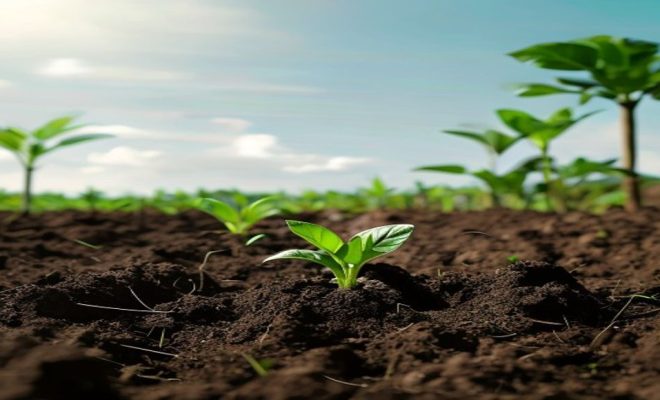
How to prepare soil for planting
“`html
Whether you’re a novice gardener or a seasoned pro, the importance of soil preparation for planting cannot be overstated. Healthy, well-prepared soil is the foundation for a thriving garden, and it can significantly impact the yield and vitality of your plants. In this guide, we’ll explore the critical steps involved in getting your soil ready, ensuring your efforts yield the best results.
1. Understanding Soil Composition: The Building Blocks of Soil
Before diving into the hands-on aspects of soil preparation, it’s essential to understand what soil is made of. Soil is a complex mixture of minerals, organic matter, water, and air. It consists of three primary components: sand, silt, and clay. Each of these components plays a unique role in how soil behaves. For instance, sandy soils drain quickly and warm up fast but may lack nutrients, while clay soils retain moisture but can become compacted easily.
Additionally, the organic matter in soil, which comes from decomposed plants and animals, is crucial for enriching the soil and improving its structure. Understanding your soil composition can help you make informed decisions during soil preparation, guiding you to amend it appropriately to meet your plants’ needs.
2. Testing Your Soil: Know What You’re Working With
One of the most critical aspects of soil preparation for planting involves testing your soil. Soil tests reveal vital information about pH levels, nutrient content, and the presence of contaminants. You can either purchase a home soil test kit or send samples to a local agricultural extension office for a more comprehensive analysis.
A typical soil test will identify key nutrients such as nitrogen (N), phosphorus (P), and potassium (K), which are essential for plant growth. It will also provide insights into the soil’s pH, which affects nutrient availability. A pH level between 6.0 and 7.5 is generally ideal for most garden plants. Armed with this information, you can effectively amend your soil for optimal plant health.
3. Clearing the Area: Getting Rid of Debris and Weeds
Once you know the composition and condition of your soil, the next step in soil preparation for planting is clearing the area where you intend to plant. This involves removing weeds, rocks, and any debris that could interfere with your plants’ growth. Weeds compete for nutrients and moisture, while debris can harbor pests or diseases that may affect your garden.
To effectively clear the area, you might consider using a hoe or a rake to remove surface weeds. For persistent weeds, you may need to resort to more aggressive methods, such as mulching or applying herbicides. Be cautious when using chemicals, as they can affect nearby plants and soil health. Once the area is clear, you will have a clean slate to work with for your planting.
4. Tilling the Soil: Aerating and Mixing
Tilling, or turning over the soil, is a traditional method of soil preparation for planting that helps aerate the soil and mix in organic matter and amendments. This can be done using a shovel, rototiller, or even a garden fork for smaller areas. Tilling breaks up compacted soil, allowing roots to penetrate more deeply and access water and nutrients.
When tilling, aim for a depth of about 12 inches to ensure that you’re mixing the surface layer with the more nutrient-rich layers below. If you’re incorporating organic matter such as compost or well-rotted manure, mix these amendments in thoroughly. Tilling also exposes any weeds or pests that may be lurking beneath the surface, making it easier to manage them before planting.
5. Amending the Soil: Adding Nutrients and Organic Matter
Once your soil is tilled, it’s time to enrich it by amending it with essential nutrients and organic matter. Based on your soil test results, you may need to add specific fertilizers to address nutrient deficiencies. Common amendments include compost, peat moss, and well-rotted manure, which not only provide nutrients but also improve soil structure and water retention.
When adding amendments, be mindful of the balance between different nutrients. For example, too much nitrogen can lead to lush foliage but poor root development. Generally, a well-balanced organic fertilizer or a slow-release synthetic option can provide a steady supply of nutrients over time. Mix these amendments into the soil to ensure they’re evenly distributed. (See: Soil health and management resources.)
6. Testing Soil Drainage: Ensuring Adequate Water Flow
Another crucial aspect of soil preparation for planting is ensuring that your soil has good drainage. Poorly drained soil can lead to waterlogged conditions, which can suffocate plant roots and promote diseases. To assess drainage, you can conduct a simple test: dig a hole about 12 inches deep and fill it with water. If the water drains within a few hours, your soil has good drainage. If it takes longer, you may need to amend the soil further or consider raised beds.
If drainage is an issue, adding organic matter like compost can improve the soil structure, promoting better drainage while retaining moisture. Sand can also be added to heavy clay soils to enhance drainage. Always remember that the right balance is key; too much sand can lead to poor nutrient retention.
7. Final Preparations and Planting: Getting Ready for Growth
Once your soil has been amended and drainage has been checked, it’s time for the final preparations. Level the soil surface and create planting rows or holes according to the needs of your specific plants. Make sure to follow the recommended spacing for each type of plant; overcrowding can lead to competition for resources.
Before planting, one last tip for soil preparation for planting is to lightly water the soil to achieve the right moisture level. The soil should be damp but not soggy. After you plant your seeds or seedlings, continue to monitor the moisture levels and provide adequate care as they establish.
In summary, effective soil preparation is the backbone of successful gardening. By understanding your soil’s composition, testing its qualities, and amending it as needed, you set the stage for robust plant growth and bountiful yields. Remember, gardening is an ongoing learning process, so don’t hesitate to adjust your techniques as you gain experience.
8. Understanding Soil pH: The Key to Nutrient Availability
While testing your soil, one of the primary aspects to focus on is soil pH. Soil acidity or alkalinity directly influences nutrient availability in your garden. For instance, certain plants thrive in acidic conditions (like blueberries), while others prefer neutral to alkaline soils (like asparagus).
If your soil pH is too low (acidic), you might need to add lime to raise the pH. Conversely, if it’s too high (alkaline), adding sulfur can help lower the pH. A balanced pH ensures that essential nutrients like iron, magnesium, and phosphorus are available for your plants, reducing the risk of nutrient deficiencies.
According to the USDA, most garden plants prefer a pH between 6.0 and 7.5. Regularly monitoring soil pH can help you maintain optimal growing conditions and make necessary adjustments throughout the growing season.
9. Soil Structure: The Role of Aggregates
Soil structure refers to how soil particles clump together, forming aggregates. This structure affects water retention, drainage, and root penetration. Well-structured soil typically has a mix of various particle sizes that create spaces for air and water movement.
One way to improve soil structure is through the addition of organic matter which helps bind soil particles together into aggregates. This not only enhances soil aeration and drainage but also boosts its ability to retain moisture and nutrients. As a best practice, consider incorporating materials like compost or aged manure into your soil preparation routine.
Studies have shown that improved soil structure contributes to healthier root systems, leading to more vigorous plant growth. As you prepare your soil, consider the long-term benefits of investing in its structure.
10. Incorporating Cover Crops: A Smart Strategy for Soil Health
Another effective method of enhancing soil health is through the use of cover crops. These are plants that you grow during the off-season, which can improve soil fertility, prevent erosion, and suppress weeds. Common cover crops include clover, rye, and vetch.
Cover crops work through a variety of mechanisms. They capture excess nutrients that would otherwise leach away during heavy rains, improving nutrient retention. Additionally, they can help break up compacted soils through their root systems, enhancing drainage and aeration. (See: Importance of soil testing and health.)
Once spring arrives, you can till these cover crops back into the soil, enriching it with organic matter and nutrients. This practice not only prepares the soil for planting but also contributes to long-term sustainability and health of your garden.
11. Utilizing Mulch: Protecting Your Soil
After planting, don’t overlook the importance of mulch. Applying a layer of organic mulch around your plants can help suppress weeds, retain soil moisture, and even add nutrients as it decomposes. Mulch can be made from various materials, including straw, wood chips, or even grass clippings.
Mulching helps regulate soil temperature as well, keeping it cooler in the summer and warmer in the winter. This is especially beneficial for young plants, which can be sensitive to temperature fluctuations. As the mulch breaks down, it also contributes to the soil’s organic matter, creating a healthier growing environment for your plants.
12. Common Mistakes in Soil Preparation: What to Avoid
Even seasoned gardeners can sometimes overlook key steps in soil preparation for planting. Here are some common mistakes to avoid:
- Skipping Soil Testing: Not knowing your soil’s pH and nutrient levels can lead to ineffective amendments.
- Over-Tilling: Excessive tilling can disrupt soil structure and harm beneficial microorganisms.
- Ignoring Drainage: Failing to check drainage can result in waterlogged soil, which is detrimental to plant health.
- Neglecting Organic Matter: Organic matter is vital for maintaining soil health; don’t skimp on it during amendments.
13. Frequently Asked Questions: Soil Preparation for Planting
What is the best time to prepare soil for planting?
The best time to prepare soil is typically in the early spring or fall. This allows time for organic matter to decompose and nutrients to be made available before planting. However, if you’re growing cover crops, you may be preparing soil in the late summer or early fall as well.
How often should I test my soil?
It’s recommended to test your soil at least every 2-3 years. However, if you notice nutrient deficiencies or poor plant growth, it might be wise to test more frequently to adjust your amendments accordingly.
Can I use garden soil for container planting?
It’s generally not advisable to use garden soil in containers, as it can become compacted and may harbor pests or diseases. Instead, use a potting mix designed for container plants, which often contains amendments like perlite or vermiculite for better drainage.
What are the signs of nutrient deficiency in plants?
Common signs include yellowing leaves (often indicating nitrogen deficiency), poor fruit development (phosphorus deficiency), and leaf burn (potassium deficiency). Always cross-reference any symptoms with your soil test results for an accurate diagnosis.
How can I improve heavy clay soil?
Improving clay soil typically involves adding organic matter like compost to improve texture and drainage. Additionally, incorporating gypsum can help break down clay particles and improve soil structure.
Should I add fertilizers before or after planting?
It’s best to mix in fertilizers during the soil preparation phase prior to planting. This ensures that nutrients are readily available to the plants as they establish. If you’re using slow-release fertilizers, follow the package instructions for timing.
14. Soil Preparation Techniques for Different Plant Types
Different plants have different requirements for soil preparation, and adapting your methods accordingly can lead to greater success. Here are some considerations based on plant types: (See: Guide to soil testing and amendments.)
Vegetables
Vegetable gardens typically thrive in rich, well-drained soil. Before planting, consider double-digging your garden bed to improve aeration and drainage. Incorporating compost will help provide essential nutrients. Crops like tomatoes and peppers may benefit from additional calcium, which can be found in crushed eggshells or specific fertilizers.
Flowers
Flower gardens often require slightly different soil conditions than vegetable gardens. Many flowering plants prefer slightly acidic to neutral pH levels. Before planting, amend the soil with organic matter to enhance drainage and nutrient content. Additionally, testing for phosphorus levels is crucial for flowering plants, as this nutrient supports blooming.
Perennials
Perennials require a stable environment for long-term growth. When preparing soil for perennials, focus on building well-drained soil with good structure. Mulching around perennials can help retain moisture and suppress weeds over the years. Consider planting companion plants that can enhance soil health and deter pests.
Fruit Trees
Fruit trees often require a deep root zone and well-aerated soil. When preparing the area for planting, dig a wide hole (about three times the size of the root ball) and amend the removed soil with compost and organic matter. This provides the young tree with a nutrient-rich environment to help it establish strong roots. Be mindful of drainage, ensuring that the tree is planted at the correct depth to avoid rot.
15. Soil Preparation Tools: What You Need for the Job
Having the right tools can make soil preparation more efficient and enjoyable. Here are some essential tools to consider:
- Garden Fork: Excellent for turning and aerating soil in small areas.
- Rototiller: A time-saver for larger plots, this tool can mix amendments and aerate the soil quickly.
- Shovel: Useful for digging and moving soil or compost.
- Rake: Great for leveling soil and removing debris.
- Wheelbarrow: Helpful for transporting soil amendments or tools around your garden.
16. Understanding Soil Microorganisms: Nature’s Helpers
Soil is teeming with life, including countless microorganisms that play a vital role in plant health. Bacteria, fungi, and protozoa work together to decompose organic matter, release nutrients, and improve soil structure. When you prepare your soil, it’s important to avoid practices that might harm these beneficial organisms.
For instance, excessive tilling can disrupt the soil ecosystem. Instead, consider no-till or low-till methods, which can help preserve soil structure and the essential microbial community. Additionally, adding organic matter like compost can provide food for these organisms, promoting a healthy soil biome.
17. Conclusion: The Path to a Thriving Garden
Effective soil preparation for planting is a multifaceted process that lays the groundwork for a successful garden. By understanding soil composition, testing, amending, and utilizing best practices such as mulching and cover cropping, you can create an environment where plants can thrive. Remember, every garden is unique, and observation and adaptation are key. With patience and practice, your efforts will reward you with a flourishing garden.
“`
Trending Now
Frequently Asked Questions
What is the best way to prepare soil for planting?
The best way to prepare soil for planting involves understanding its composition, testing for pH and nutrient levels, and amending it as needed. Start by removing weeds and debris, then incorporate organic matter like compost to enhance soil structure and fertility.
How do I test my soil before planting?
You can test your soil by using a home soil test kit or sending a sample to a local agricultural extension office. Tests typically measure pH, nutrient levels, and contaminants, providing essential information for effective soil preparation.
What nutrients do plants need from the soil?
Plants primarily need three macronutrients from the soil: nitrogen (N) for growth, phosphorus (P) for root development and flowering, and potassium (K) for overall health. Soil tests can help determine the availability of these nutrients.
Why is soil composition important for gardening?
Soil composition is crucial because it affects drainage, nutrient retention, and overall plant health. Understanding the balance of sand, silt, and clay in your soil helps you make informed decisions on amendments and cultivation techniques.
How can I improve my garden soil?
To improve garden soil, incorporate organic matter like compost or well-rotted manure, which enhances structure and nutrient content. Additionally, testing your soil can guide you in adding specific fertilizers or amendments to optimize conditions for your plants.
Have you experienced this yourself? We’d love to hear your story in the comments.