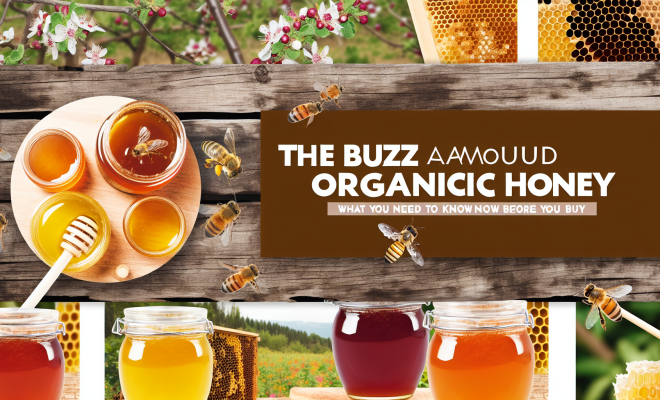
The Buzz Around Organic Honey: What You Need to Know Before You Buy
In recent years, organic honey has emerged as a popular choice among consumers seeking natural sweeteners devoid of chemicals and artificial additives. As demand surges, however, so too does confusion regarding what constitutes authentic organic honey. With various brands claiming to be organic, it is crucial for consumers to understand the standards and certifications that define this product.
The Rise of Organic Honey
The organic honey market has witnessed significant growth, driven by an increasing interest in health-conscious eating and sustainable food sourcing. According to industry experts, the global organic honey market is projected to continue expanding as consumers become more aware of the benefits of organic products.
Health Benefits of Organic Honey
Organic honey is often touted for its numerous health benefits. Unlike conventional honey, which may contain traces of pesticides and other chemicals, organic honey is harvested from bees that forage on pesticide-free flowers, ensuring a purer product. Some of the key health benefits include:
- Rich in Antioxidants: Organic honey is loaded with antioxidants, which can help protect the body from oxidative stress and inflammation.
- Natural Sweetener: A healthier alternative to refined sugars, organic honey provides a natural way to satisfy sweet cravings.
- Soothing Properties: It has been used traditionally to soothe sore throats and aid in cough relief.
- Potential Digestive Aid: Some studies suggest that organic honey may help with digestive issues, acting as a prebiotic that promotes gut health.
Understanding Organic Certification
Despite the growing popularity of organic honey, the term ‘organic’ can often be misleading. Not all products labeled as organic adhere to the same standards. To ensure that you’re buying genuine organic honey, it is essential to understand the certification process:
- National Organic Program (NOP): In the United States, organic honey must comply with the NOP standards, which govern organic farming practices. This includes regulations on pesticide use, bee treatment, and the floral sources from which bees gather nectar.
- Third-Party Certification: Look for honey that has been certified by a reputable third-party organization. This ensures that the product meets strict organic standards.
- Labeling Transparency: Check for clear labeling on the packaging. Genuine organic honey should indicate its certification on the label, along with the name of the certifying body.
Consumer Confusion in the Market
With the influx of brands claiming to offer organic honey, consumers often find it challenging to navigate the market. Misleading labels and vague claims can lead to doubts about the authenticity of the product. Experts suggest that consumers take the following steps to avoid confusion:
- Research Brands: Investigate the brands you are considering. Look for information on their sourcing practices and certification.
- Ask Questions: Don’t hesitate to contact companies directly to inquire about their organic practices and certifications.
- Educate Yourself: Familiarize yourself with the standards of organic honey production to make informed purchasing decisions.
The Environmental Impact of Organic Honey
Choosing organic honey not only benefits personal health but also supports environmental sustainability. Organic beekeeping practices promote biodiversity and protect bee populations, which are vital for pollination and maintaining healthy ecosystems. Additionally, organic farming methods help reduce pollution and conserve water, making organic honey a more eco-friendly choice.
Supporting Local Beekeepers
In the quest for organic honey, consumers are encouraged to support local beekeepers. Buying honey directly from local producers not only ensures freshness but also often guarantees authenticity. Local honey is less likely to be processed and is more likely to meet organic standards.
Moreover, supporting local beekeepers strengthens community ties and encourages sustainable practices within the industry. When consumers choose local products, they contribute to the livelihoods of small-scale farmers and help preserve traditional beekeeping methods.
Conclusion
The organic honey market is flourishing, but it is essential for consumers to remain vigilant about what they purchase. By understanding organic certification, being aware of misleading labeling, and supporting local beekeepers, individuals can enjoy the sweet benefits of organic honey while making informed choices that contribute to their health and the environment.
As the market continues to evolve, consumers play a vital role in shaping the standards and practices of organic honey production. By demanding transparency and accountability, they can help ensure that the rise of organic honey is both beneficial for their health and sustainable for the planet.