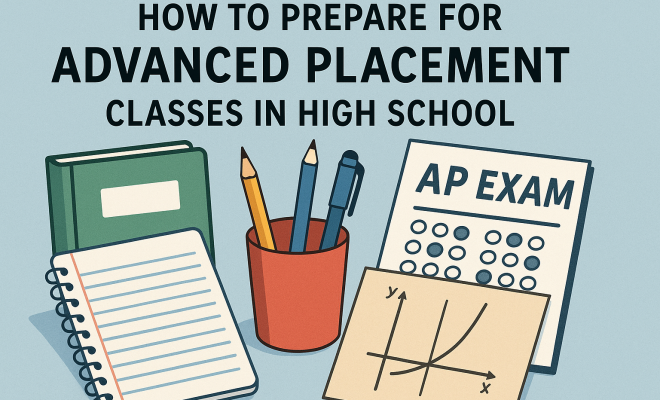
How to Prepare for Advanced Placement Classes in High School
“`html
As the academic landscape becomes increasingly competitive, many high school students are looking for ways to distinguish themselves. One effective approach is through Advanced Placement (AP) classes. These courses offer rigorous content and the chance to earn college credit while still in high school. However, the transition to AP classes requires careful planning and preparation. So, how can you set yourself up for success in AP classes? Here’s a comprehensive guide to help you navigate the challenges of AP classes preparation.
1. Understanding AP Classes
Before diving into preparation strategies, it’s crucial to grasp what AP classes entail. Offered by the College Board, AP classes are college-level courses available to high school students. They cover a wide array of subjects, from AP Chemistry to AP English Literature, and aim to replicate the rigor of actual college courses.
One of the most appealing aspects of AP classes is the opportunity to earn college credit. Many colleges and universities offer credit for high scores on AP exams, which can save students time and money in their college careers. However, this also means that the courses are challenging, often requiring a greater level of engagement and dedication than regular high school classes.
2. Determining the Right AP Classes for You
Choosing the right AP classes is a critical step in your AP classes preparation. Factors like your academic strengths, interests, and future college plans should guide your decision. For instance, if you excel in mathematics, AP Calculus might be a suitable choice. Conversely, if you have a passion for literature, consider AP English Literature.
It’s also important to consider the workload. AP classes often require more time for studying and assignments compared to regular classes. Speak with your school counselor, teachers, and peers who have taken the courses to gain insights into what to expect. This research can help you make informed decisions and avoid overwhelming yourself.
3. Time Management: A Crucial Skill for AP Success
Once you’ve selected your AP classes, mastering time management becomes essential. Balancing the demands of AP coursework alongside extracurricular activities and personal commitments can be tricky. Start by creating a weekly schedule that allocates time for classes, studying, and leisure. Prioritize your assignments and break tasks into manageable chunks to avoid last-minute stress.
Utilize tools like planners or digital apps to keep track of deadlines and test dates. Establishing a routine will not only help you stay organized but also create a sense of normalcy in your busy schedule. Remember, it’s about working smarter, not just harder.
4. Effective Study Strategies for AP Classes
How you study can significantly impact your performance in AP classes. Start by identifying your learning style — are you a visual learner, an auditory learner, or do you prefer hands-on activities? Tailoring your study strategies to your learning style can increase retention and understanding of material.
Furthermore, consider forming study groups with classmates. Collaborating with others allows for the exchange of ideas and clarification of complex topics. Regularly reviewing class notes and utilizing AP prep books and online resources can also enhance your understanding. Practice exams are particularly valuable, as they familiarize you with the format and types of questions you’ll encounter on the actual AP exams.
5. Utilizing Online Resources and AP Prep Courses
In today’s digital age, a wealth of resources is available for students preparing for AP classes. Websites like Khan Academy provide free courses and practice exercises tailored to AP subjects. These platforms can fill gaps in understanding and offer additional practice to reinforce learning.
Additionally, consider enrolling in AP prep courses. Many tutoring centers and online platforms offer courses specifically designed to prepare students for AP exams. These courses can provide focused instruction, practice tests, and valuable tips from experienced educators. (See: Preparing for college courses.)
6. Building Relationships with Teachers
Your teachers play a crucial role in your AP classes preparation. Building a good rapport with them can enhance your learning experience. Don’t hesitate to ask questions during class or seek clarification on assignments. Most teachers appreciate engaged students and are willing to provide extra help or resources if needed.
Additionally, take advantage of office hours or after-school sessions. These opportunities allow you to delve deeper into the material and can provide you with valuable insights that aren’t always covered in class. A strong relationship with your teachers can also lead to better recommendation letters when applying for colleges.
7. Preparing Mentally and Physically
AP classes are not just academically demanding; they can also be mentally and physically taxing. Prioritize self-care to ensure you’re in the best shape to tackle your studies. Regular exercise, a balanced diet, and sufficient sleep are essential components of your preparation.
Additionally, develop a positive mindset. AP classes are challenging, and setbacks are a part of the learning process. Embrace mistakes as opportunities to grow and improve. Techniques such as mindfulness and stress management can also help keep anxiety at bay during critical periods like exams.
8. Taking the AP Exam: Strategies for Success
As the AP exam dates approach, it’s time to refine your test-taking strategies. Begin by familiarizing yourself with the exam format for each of your AP classes. Understanding the types of questions, time allocation, and grading criteria can alleviate anxiety on exam day.
Practice is key. Take full-length practice exams under timed conditions to simulate the actual testing environment. Review your answers to understand your weaknesses and adjust your study focus accordingly. On the day of the exam, remember to stay calm and pace yourself throughout the test. Skipping difficult questions and returning to them later can save valuable time.
9. Post-Exam Reflection and Planning
Once the AP exams are completed, it’s important to reflect on your experience. Analyze what strategies worked well and what could be improved for future AP classes preparation. This reflection can inform your approach if you choose to take more AP courses in the future.
Regardless of the exam results, remember that your efforts in AP classes have equipped you with valuable skills. These skills include critical thinking, time management, and a deeper understanding of the subject matter, all of which will serve you well in college and beyond. Taking AP classes is an achievement in itself, showcasing your commitment to academic excellence.
Ultimately, the journey of AP classes preparation is about growth, resilience, and learning. With the right approach and mindset, you can not only excel in your AP classes but also lay a strong foundation for your future academic endeavors.
10. The Benefits of Taking AP Classes
Taking AP classes offers more than just a chance to earn college credit; it also helps develop critical skills that are beneficial in both high school and college settings. One of the significant benefits is the development of analytical thinking. The rigorous curriculum encourages students to engage more deeply with the material, requiring them to analyze, interpret, and evaluate information rather than just memorize facts.
Additionally, AP courses often foster independent learning. Students are expected to take responsibility for their education, which builds self-discipline and motivation. These skills are highly regarded in college, where students are expected to manage their coursework and time without as much direct oversight as they experienced in high school.
Statistics indicate that students who take AP classes tend to perform better in college than their peers who did not take AP courses. According to a report by the College Board, students who score a 3 or higher on an AP exam typically have higher GPAs during their first year of college compared to students who did not take AP classes. This serves as a testament to the effectiveness of AP classes in preparing students for the rigors of college-level work.
11. Common Misconceptions About AP Classes
Despite the benefits, there are several misconceptions surrounding AP classes that can deter students. One common myth is that AP classes are only for the “best” students. In reality, AP classes are designed for motivated learners who are willing to challenge themselves. Colleges appreciate varied experiences and recognize that students who take on challenging coursework, regardless of their overall GPA, are often more prepared for college. (See: Importance of AP classes in education.)
Another misconception is that students need to score a 5 to benefit from AP classes. While a score of 5 is excellent, most colleges accept scores of 3 or 4 for credit or placement. As mentioned earlier, the skills and knowledge gained in AP classes are valuable regardless of the exam result. The experience itself provides a strong foundation for future academic challenges.
12. AP Classes and College Admissions
AP classes can significantly impact your college admissions prospects. Most colleges look favorably on students who challenge themselves with rigorous coursework. It shows commitment, ambition, and the ability to handle difficult material. Admissions officers often consider the types of classes taken in relation to a student’s overall GPA, so performing well in AP classes can enhance your academic profile.
Additionally, some colleges have specific AP class requirements for admission into certain programs. For example, a student looking to major in engineering may benefit from taking AP Calculus or AP Physics. Being aware of such requirements can help you tailor your course selection to align with your future goals.
13. Frequently Asked Questions (FAQs) About AP Classes Preparation
What are the prerequisites for taking AP classes?
Prerequisites vary by school and specific AP courses, but typically, students should have a strong foundation in the subject area. For example, AP Calculus usually requires completion of Algebra II and Geometry. Always check with your school counselor or the course syllabus for specific requirements.
How can I balance AP classes with extracurricular activities?
It’s essential to prioritize and manage your time effectively. Create a schedule that includes both study time and time for extracurriculars. Don’t be afraid to limit your commitments if you find yourself overwhelmed. Quality over quantity is key; it’s better to excel in a few activities than to stretch yourself too thin.
Are AP classes worth the stress?
While AP classes can be stressful, the benefits often outweigh the challenges. They provide valuable skills and knowledge, potentially lighten your college course load, and enhance your college applications. The key is to approach them with a balanced mindset and effective study strategies.
How do I choose the right AP classes?
Consider your strengths, interests, and future academic goals when selecting AP classes. Speak with your teachers and school counselors to get advice tailored to your unique situation. Also, think about what subjects you enjoy most and where you excel, as you’re more likely to succeed in classes that align with your passions.
What should I do if I’m struggling in an AP class?
If you’re struggling, first reach out to your teacher for help. They can provide additional resources or clarify confusing concepts. Additionally, consider joining a study group or hiring a tutor. Remember, asking for help is a sign of strength, and many students face challenges in AP classes.
How do AP scores affect college admissions?
AP scores can positively impact your college admissions, as they demonstrate your ability to handle college-level coursework. While a high score can bolster your application, even a score of 3 or 4 can show that you are capable of rigorous academic work. Always consider the specific policies of the colleges you’re applying to, as they may have different approaches to AP scores.
Can I take an AP class online or during the summer?
Yes, many schools offer online AP classes, and some colleges offer summer AP courses. Online courses can be a flexible option for students who may not have room in their schedules during the school year. Check with your school to see what options are available.
14. New Perspectives on AP Classes Preparation
As the landscape of education continues to evolve, so too do the methods of preparing for AP classes. One emerging trend in AP classes preparation is the integration of technology. From online forums to interactive apps, technology can enhance the learning process and make studying more engaging.
For instance, platforms like Quizlet allow students to create flashcards and quizzes tailored to specific AP subjects, promoting active recall and spaced repetition—two effective learning strategies. Similarly, educational YouTube channels provide tutorial videos that cover complex topics in a visual and approachable manner, which can be particularly helpful for visual learners.
15. The Role of Parents in AP Classes Preparation
Parents can play a significant role in their child’s AP classes preparation. Their support can be invaluable, whether it’s helping manage the household schedule to create study time or simply providing encouragement. Open communication about the student’s academic goals and concerns can foster a positive environment for tackling AP coursework.
Parents should also educate themselves about the AP system, including understanding how AP scores can affect college admissions and what resources are available for their children. Attending school meetings focused on AP classes can provide insights that enable parents to offer specific guidance and support.
16. Peer Support: The Value of Collaboration in AP Classes
Collaboration with peers is another essential aspect of AP classes preparation. Study groups or partnerships can facilitate a deeper understanding of the material, as students explain concepts to one another and share study resources. Additionally, having a study buddy can help keep motivation high and make the study process less isolating.
Consider organizing regular study sessions where you not only review content but also quiz each other and discuss challenging topics. This collaborative environment can promote a sense of accountability and camaraderie that benefits everyone involved.
17. Looking Beyond the AP Exam: Skills for Life
While the immediate focus of AP classes is often on passing exams and earning college credit, the skills and habits developed during this period extend far beyond the classroom. The discipline required for AP study prepares students for the self-directed learning necessary in college and beyond. Skills such as critical thinking, effective communication, and time management are invaluable in any career field.
Students learn not just to absorb information but to question and analyze it. This fosters a mindset geared towards lifelong learning, making them adaptable in an ever-changing world.
18. Final Thoughts on AP Classes Preparation
AP classes preparation is a multifaceted journey that demands dedication, time management, and self-awareness. While they present challenges, the rewards—both academically and personally—are significant. By understanding the nature of AP courses, effectively managing your time, and utilizing resources available to you, you can thrive in this educational endeavor. Embrace the opportunity, seek help when needed, and remember that taking on such challenges is an achievement in itself, preparing you for the exciting future that lies ahead.
“`
Trending Now
Frequently Asked Questions
What are Advanced Placement classes in high school?
Advanced Placement (AP) classes are college-level courses offered to high school students by the College Board. They cover various subjects and aim to replicate the rigor of actual college courses. Students can earn college credit by achieving high scores on AP exams, making these classes a valuable option for those looking to enhance their academic profile.
How do I choose the right AP classes for me?
Choosing the right AP classes involves considering your academic strengths, interests, and future college plans. Assess subjects where you excel and have a passion for, and consult with school counselors and peers who have experience in those courses to understand the workload and expectations.
What are the benefits of taking AP classes?
The primary benefits of taking AP classes include the opportunity to earn college credit while still in high school, which can save time and money in college. Additionally, AP classes can enhance your college applications by demonstrating your ability to handle rigorous coursework.
How can I prepare for AP classes effectively?
Effective preparation for AP classes includes understanding the course content, assessing your readiness, and managing your time wisely. Develop strong study habits, seek resources like review books or online materials, and engage with teachers or peers for support to navigate the challenges of AP coursework.
Are AP classes more difficult than regular high school classes?
Yes, AP classes are generally more challenging than regular high school courses. They require a higher level of engagement, critical thinking, and time commitment. Students should be prepared for a rigorous curriculum that mimics college-level expectations.
What did we miss? Let us know in the comments and join the conversation.