How to practice grounding techniques
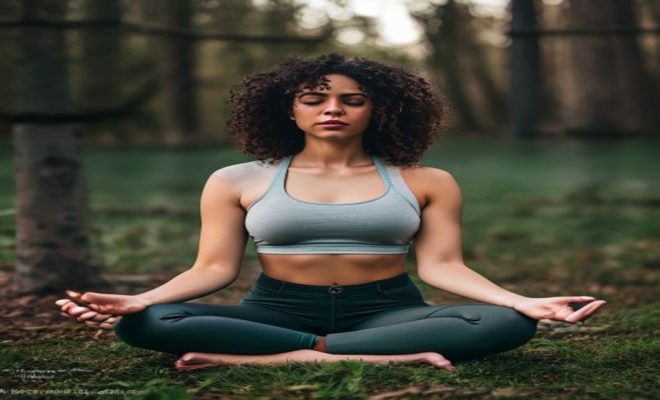
“`html
Feeling overwhelmed by anxiety? You’re not alone. Many people struggle with anxiety daily, making it essential to find effective coping strategies. One of the most effective ways to combat anxiety is through grounding techniques, which help anchor you to the present moment and alleviate distress. In this article, we’ll explore nine essential grounding techniques for anxiety, diving deep into their benefits, techniques, and how you can seamlessly incorporate them into your daily life.
1. Understanding Grounding Techniques
Grounding techniques are exercises that help you reconnect with the present moment, often focusing on your physical sensations, thoughts, and emotions. These techniques can be particularly useful during times of heightened anxiety, stress, or when you feel overwhelmed. The fundamental principle behind grounding is to divert your attention from distressing thoughts and bring your focus back to your body and surroundings.
Developed primarily in the context of trauma therapy, grounding techniques have gained traction as effective tools for managing anxiety. They can help individuals regain control over their emotions and reactions, allowing for a healthier response to anxiety-provoking situations. Whether you’re facing a panic attack, feeling anxious before a presentation, or just having a rough day, grounding techniques can be your go-to solution.
2. Physical Grounding Techniques
Physical grounding techniques emphasize the connection between your body and the surrounding environment. These techniques help you become aware of your physical presence, which can reduce feelings of anxiety. One of the most popular physical grounding techniques is the 5-4-3-2-1 method.
- 5: Identify five things you can see.
- 4: Identify four things you can touch.
- 3: Identify three things you can hear.
- 2: Identify two things you can smell.
- 1: Identify one thing you can taste.
This method encourages you to engage your senses, pulling your focus away from anxious thoughts and directing it towards your immediate environment. It can be done anywhere, whether you’re at home, in an office, or even in a public space.
3. Breathe Deeply
Deep breathing is a cornerstone of grounding techniques for anxiety. When we experience anxiety, our breathing often becomes shallow and quick, which can exacerbate feelings of panic. Practicing deep breathing techniques can help slow down your heart rate and calm your mind.
Try the 4-7-8 breathing technique for a simple yet effective approach. Inhale through your nose for four seconds, hold your breath for seven seconds, and exhale through your mouth for eight seconds. Repeat this cycle several times. This technique not only helps ground you but also provides your body with much-needed oxygen, helping to ease tension and promote relaxation.
4. Mindfulness and Meditation
Mindfulness practices are incredibly effective in grounding yourself during moments of anxiety. Mindfulness encourages you to focus fully on the present, observing your thoughts without judgment. This can be as simple as sitting quietly and taking a few moments to observe your surroundings or practicing gratitude for what’s present in your life.
Consider incorporating short meditation sessions into your daily routine. Even dedicating five to ten minutes each day can be beneficial. Apps like Headspace and Calm offer guided meditations tailored for anxiety and grounding, making it accessible even for beginners.
5. Engaging Your Senses
Another powerful way to ground yourself is through engaging your senses. This technique allows you to fully immerse yourself in the experience of the moment. You can carry items that you find comforting—like a smooth stone, a scented oil, or even your favorite snack—and use them when anxiety strikes.
For example, if you have a piece of soft fabric or a stress ball, holding it can significantly help lower anxiety. The texture and physical sensation can draw your attention away from anxious thoughts. Additionally, using aromatherapy, such as lavender or chamomile essential oils, can calm your mind and promote a sense of groundedness. (See: Research on grounding techniques and anxiety.)
6. Movement and Exercise
Physical activity can be a fantastic grounding technique. Exercise releases endorphins, which can help improve your mood and alleviate anxiety. Regular movement can also enhance your body awareness, helping you feel more connected to yourself.
Whether it’s a brisk walk, yoga, or dancing to your favorite music in your living room, find an activity that you enjoy. Combining movement with mindfulness, like focusing on how your feet feel on the ground or how your muscles engage during a yoga pose, can further enhance the grounding effect.
7. Journaling for Clarity
Many people find that writing down their thoughts and feelings can help them feel more grounded. Journaling can clarify your thoughts, making them less overwhelming. By putting your feelings on paper, you create a physical space between yourself and your worries, allowing you to process them in a structured way.
Try setting aside a few minutes each day to write about what you’re feeling or to list things you’re grateful for. Prompts like “What am I feeling right now?” or “What are three positive things that happened today?” can help guide your journaling practice.
8. Visualization Techniques
Visualization techniques can be a powerful way to ground yourself mentally. This technique involves imagining a peaceful scene or a safe place that brings you comfort. By creating a vivid mental image, you can transport yourself away from anxiety and into a calming space.
Consider sitting comfortably, closing your eyes, and picturing a tranquil beach or a serene forest. Engage all your senses in this visualization—what do you see, hear, smell, and feel? This mental exercise not only calms your mind but also reinforces positive associations in your brain, making it an effective grounding technique.
9. Seek Support and Community
Finally, don’t underestimate the power of community and support when it comes to grounding techniques for anxiety. Talking to friends, family, or mental health professionals can provide invaluable perspectives and coping strategies. Sharing your feelings can also lessen the weight of anxiety and help you feel less isolated.
Consider joining a support group or online community where you can connect with others who understand what you’re going through. Peer support can be incredibly validating and can introduce you to new grounding techniques that others have found effective.
10. Creating a Personal Grounding Toolkit
Building your own grounding toolkit can be a great way to prepare for moments of anxiety. This toolkit could include a variety of items or strategies that resonate with you and work effectively when anxiety strikes. Here are some suggestions for what to include:
- Comfort Items: Include small items like a soft scarf, a favorite photograph, or a stress ball that you can hold when you feel overwhelmed.
- Guided Meditations: Download a few guided meditations on your phone that are specifically designed for grounding and anxiety relief.
- Breathing Apps: Utilize apps that provide prompts for breathing exercises, allowing you to access them quickly when necessary.
- Aromatherapy: Carry essential oils or aromatherapy inhalers that have calming effects, such as lavender or peppermint.
- Journal and Pens: Keep a small journal with prompts that encourage reflection, like gratitude lists or feelings check-ins.
Having these items at your disposal means you can quickly turn to your toolkit when you feel anxious, providing immediate comfort and grounding.
11. The Science Behind Grounding Techniques
Understanding the science behind grounding techniques can deepen your appreciation for their effectiveness. Research shows that grounding techniques can influence the brain’s response to stress. When you utilize these techniques, you activate your parasympathetic nervous system, which is responsible for the body’s rest and relaxation response. This can lead to decreased heart rates, lower blood pressure, and reduced levels of stress hormones like cortisol.
A study published in the Journal of Traumatic Stress found that individuals who practiced grounding techniques reported lower anxiety levels and improved emotional regulation. The findings suggest that these techniques provide not just temporary relief but can lead to lasting improvements in how we manage anxiety.
12. Statistics on Anxiety and Grounding Techniques
The prevalence of anxiety is staggering. According to the Anxiety and Depression Association of America (ADAA), anxiety disorders affect 40 million adults in the United States, making them the most common mental illness in the country. Many people seek various coping strategies, and grounding techniques have become increasingly recognized as effective tools for managing these feelings. (See: Mental health and coping strategies.)
Surveys indicate that approximately 70% of individuals with anxiety have found grounding techniques to be beneficial. Furthermore, a study showed that 63% of participants who consistently practiced grounding techniques reported a significant decrease in their anxiety symptoms over a period of three months.
13. Comparing Grounding Techniques with Other Anxiety Management Strategies
While grounding techniques are effective for many, it’s essential to understand how they compare to other popular anxiety management strategies:
- Therapy: Cognitive Behavioral Therapy (CBT) is a common therapeutic approach that helps individuals address negative thought patterns. Grounding techniques can complement therapy by providing immediate relief during overwhelming moments.
- Medication: Some individuals find relief through medication prescribed by healthcare professionals. Grounding techniques can serve as a complementary approach to medication, helping to manage anxiety symptoms during off times or side effects.
- Self-Care Practices: Practices like yoga, exercise, and maintaining a balanced diet play a critical role in managing anxiety. Grounding techniques can easily fit into self-care routines, enhancing their effectiveness.
Ultimately, finding the right combination of strategies, including grounding techniques, can lead to a more comprehensive approach to managing anxiety.
14. FAQ about Grounding Techniques for Anxiety
Q1: How quickly do grounding techniques work?
A: Grounding techniques can provide immediate relief, often within minutes. However, the effectiveness may vary depending on the individual and the specific technique used. Regular practice can enhance their efficiency over time.
Q2: Can grounding techniques be used in combination with other therapies?
A: Definitely! Grounding techniques can complement various therapeutic approaches, including CBT and mindfulness practices, and are often encouraged as part of a holistic anxiety management plan.
Q3: Are grounding techniques suitable for everyone?
A: While grounding techniques are generally safe and effective for most individuals, they may not be suitable for everyone, especially those with specific trauma histories. It’s advisable to consult with a mental health professional if you’re unsure.
Q4: How long should I practice grounding techniques?
A: There’s no specific time requirement. You can practice grounding techniques for as little as a few minutes or longer, depending on your needs and circumstances. Finding what works best for you is key.
Q5: Can I use grounding techniques in public settings?
A: Absolutely! Many grounding techniques, like the 5-4-3-2-1 method or deep breathing, can be discreetly practiced in public spaces, making them accessible whenever you need them.
15. Advanced Grounding Techniques for Anxiety
If you’re looking to deepen your grounding practice, consider integrating some advanced techniques that build on the basics. These can provide richer experiences and a more profound sense of calming.
1. Grounding through Nature
Spending time in nature can be a powerful grounding technique. The natural world is filled with sensory experiences that can pull your mind away from anxious thoughts. Whether it’s the sound of leaves rustling, the scent of flowers, or the feeling of grass underfoot, nature provides a multi-sensory experience that can be incredibly grounding.
Consider taking a hike, visiting a park, or simply sitting outside for a few moments each day. Incorporating nature walks into your routine not only enhances your grounding practices but can also improve your overall mental health.
2. Grounding through Creative Expression
Engaging in creative activities can serve as a form of grounding. Whether it’s drawing, painting, or playing music, these activities require focus and can help shift your attention away from anxiety. The act of creating something can be therapeutic, providing a sense of accomplishment and distraction from overwhelming feelings.
If you enjoy writing, consider starting a creative writing project that focuses on your feelings or experiences. This can serve as both a grounding exercise and a way to express complex emotions.
3. Grounding with Affirmations
Positive affirmations can bolster your self-esteem and provide a grounding effect. When anxiety strikes, repeating affirmations can help redirect your thoughts and reinforce feelings of safety and self-worth. Examples of affirmations include “I am safe,” “I am in control,” or “This feeling is temporary.”
Try writing down a few affirmations that resonate with you and keeping them handy for moments of anxiety. Speaking them aloud, or even silently repeating them, can serve as a powerful grounding tool.
16. The Role of Professional Help
While grounding techniques can be incredibly beneficial, it’s essential to recognize when professional help is advisable. Anxiety can sometimes be overwhelming and may require more than self-help strategies. A licensed therapist can provide tailored strategies and support that address your specific needs.
Therapists often utilize grounding techniques within their practice, teaching individuals how to apply them effectively during therapy sessions. This professional guidance can enhance the effectiveness of grounding techniques and provide you with a more comprehensive understanding of your anxiety.
17. Incorporating Grounding Techniques into Your Daily Routine
To make grounding techniques a habitual part of your life, consider scheduling specific times during your day to practice them. Here are some tips for incorporation:
- Morning Ritual: Start your day with a grounding practice such as deep breathing or journaling. This sets a positive tone for the day ahead.
- Scheduled Breaks: Throughout your day, take short breaks to engage in grounding techniques. This could be as simple as standing up and doing a few stretches or practicing the 5-4-3-2-1 method.
- Evening Reflection: Before going to bed, spend a few minutes grounding yourself through mindfulness or gratitude journaling. This can promote better sleep and help you unwind from the day’s stresses.
18. Final Thoughts
Incorporating grounding techniques into your daily life can provide significant relief from anxiety, offering practical solutions to navigate stressful moments. Whether you gravitate towards physical movements, sensory engagement, or community support, there’s a technique out there for everyone. Remember, the journey toward managing anxiety is uniquely personal, and finding the right grounding techniques may take some time and experimentation. Stay patient, and don’t hesitate to reach out for support along the way.
“`
Trending Now
Frequently Asked Questions
What are grounding techniques for anxiety?
Grounding techniques are exercises designed to help individuals reconnect with the present moment, focusing on physical sensations, thoughts, and emotions. They are particularly useful during periods of heightened anxiety, helping to divert attention from distressing thoughts and bring focus back to the body and surroundings.
How do grounding techniques help with anxiety?
Grounding techniques help manage anxiety by anchoring individuals in the present moment, which reduces feelings of overwhelm. By focusing on physical sensations and the environment, these techniques enable individuals to regain control over their emotions and reactions, promoting healthier responses to anxiety-provoking situations.
What is the 5-4-3-2-1 grounding technique?
The 5-4-3-2-1 grounding technique is a popular method that encourages mindfulness by engaging the senses. It involves identifying five things you can see, four things you can touch, three things you can hear, two things you can smell, and one thing you can taste, helping to redirect focus away from anxiety.
When should I use grounding techniques?
Grounding techniques can be used during times of heightened anxiety, such as during a panic attack, before a stressful event, or whenever you feel overwhelmed. They are effective tools for managing anxiety and can be easily incorporated into daily life for immediate relief.
Can grounding techniques be used for trauma?
Yes, grounding techniques were developed primarily in the context of trauma therapy. They are effective tools for individuals dealing with trauma, as they help to manage distressing emotions and thoughts, allowing for a healthier coping mechanism in anxiety-provoking situations.
What did we miss? Let us know in the comments and join the conversation.