Master Crutches: Your Guide to Safe & Effective Use
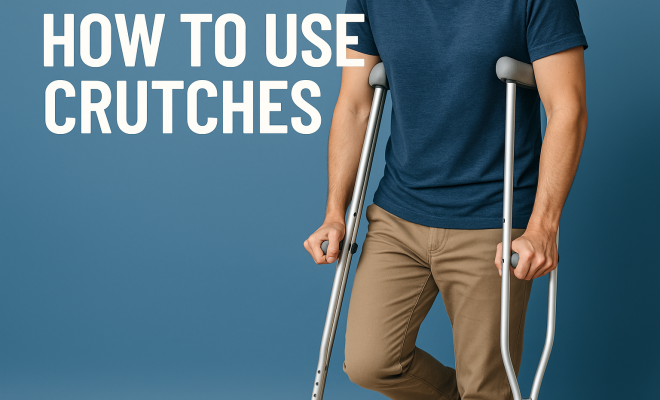
“`html
Using crutches is a common necessity for many individuals recovering from injuries or surgeries. Whether you’re dealing with a broken leg, an ankle sprain, or recovering from knee surgery, knowing how to use crutches properly can make all the difference in your healing journey. This article will guide you through the essential steps, tips, and best practices for effective crutch use.
1. Understanding Crutches: What Are They?
Crutches are mobility aids designed to assist individuals who have difficulty walking due to an injury or medical condition. Typically made from lightweight materials like aluminum, they come in various designs, including axillary crutches (underarm) and forearm crutches (lofstrand). Each type serves a unique purpose and fits different needs.
Axillary crutches are the most common and are designed to support weight through the underarms, while forearm crutches provide support using the forearms and wrists. Understanding the difference is crucial when deciding which pair will best help you regain your mobility.
2. Choosing the Right Crutches for Your Needs
Selecting the appropriate crutches is vital for comfort and safety. When choosing crutches, consider factors such as your weight, height, and the nature of your injury. Most medical supply stores or pharmacies offer various sizes, so ensure you try them out to find the best fit.
Additionally, some crutches come with features like adjustable heights, ergonomic grips, and padded underarm supports. These can enhance your comfort during use, especially if you need crutches for an extended period. Don’t hesitate to ask your healthcare provider for recommendations based on your specific condition.
3. Adjusting Crutches for Optimal Use
Proper adjustment of crutches is crucial for effective use. To adjust your crutches, follow these steps: Stand up straight and put on your shoes. Place the crutches about six inches to the side of your feet. The top of the crutch should be about one to two inches below your armpits, and the hand grips should be at wrist height when your arms are relaxed at your sides.
Once adjusted, make sure the crutches are secure and stable when you use them. Regular checks for wear and tear can also prevent accidents. If they start to feel loose or wobbly, it’s time to make adjustments or replace them.
4. How to Use Crutches Correctly
Knowing how to use crutches effectively is essential. Begin by positioning your crutches under your arms, ensuring they are stable. Shift your weight to your uninjured leg and push down on the hand grips of the crutches to help elevate your body as you move forward. Aim to swing your injured leg forward in a fluid motion.
Practice the “swing-to” technique for balance: place your crutches in front of you, push down on the handles, and swing your body forward until your uninjured foot lands on the ground. This technique conserves energy and helps maintain balance.
5. Common Mistakes to Avoid
Even with the best intentions, new crutch users often make mistakes. One common error is placing too much weight on the crutches instead of distributing it evenly across your body. This can lead to discomfort and potential injury. Remember, crutches are meant to support your weight, not carry it entirely.
Another mistake is failing to keep the crutches close to your body. Ensure the crutches are positioned under your arms while moving to maintain balance. Finally, avoid leaning too heavily on the crutches, as this can lead to pressure sores and fatigue over time. (See: Understanding the use of crutches.)
6. Navigating Stairs and Curbs
Managing stairs can be particularly challenging for crutch users, but with practice, it gets easier. When ascending stairs, place your uninjured foot on the step first, followed by your crutches. For descending, position your crutches on the step first, then bring your injured foot down to the same step.
When approaching curbs, it’s best to approach them head-on. For going up, push down on your crutches while lifting your body up onto the curb with your uninjured leg. For going down, place your crutches on the ground first, followed by your injured leg, and then step down with your uninjured leg.
7. Maintaining Your Crutches
Regular maintenance of your crutches is essential for ensuring safety and comfort. Check the rubber tips at the bottom of the crutches regularly; they can wear down and lose grip, leading to slips and falls. Replacing these tips when they’re worn out is vital.
Additionally, clean your crutches regularly to prevent dirt and grime from affecting their function. Use a damp cloth with mild soap for the frames and ensure that the grips remain free of debris for better traction and comfort.
8. Physical Therapy and Rehabilitation
Using crutches is often just one part of your recovery journey. Physical therapy can play a crucial role in regaining strength and mobility. A physical therapist can guide you through exercises tailored to your specific injury, helping you gradually transition away from crutches.
Therapists may also introduce strength and balance exercises that will aid in your healing process. Remember, regular follow-ups and honest communication with your healthcare provider about your progress are vital for successful rehabilitation.
9. Emotional Support During Recovery
Injuries can be physically challenging and emotionally taxing. It’s normal to feel frustrated or anxious during recovery, especially when mobility is affected. Seeking emotional support from friends, family, or support groups can alleviate some of that stress.
Consider engaging in activities that keep your spirits up without overexerting yourself. Read books, watch movies, or participate in social activities that don’t require extensive movement. This emotional support can significantly contribute to a positive recovery experience.
10. Final Thoughts on Using Crutches Wisely
Understanding how to use crutches effectively is essential for a smooth recovery process. By choosing the right type of crutches, adjusting them correctly, and practicing safe techniques, you can navigate your healing journey with confidence. Remember to stay patient with yourself and seek support when needed. With the right tools and mindset, you’ll be back on your feet in no time.
11. Advanced Techniques for Crutch Users
Once you’ve mastered the basics, there are several advanced techniques that can enhance your crutch mobility. These techniques can improve your efficiency and safety, especially in various environments. Learning to navigate uneven terrain is crucial. When walking on grass or gravel, make sure to place your crutches firmly down before shifting your weight to maintain stability.
You might also consider learning the “two-point” gait, which involves moving one crutch and your uninjured leg simultaneously, followed by the second crutch and the injured leg. This technique can provide a more natural movement pattern and can be easier to manage at times.
12. Statistics on Crutch Use
Understanding the prevalence and impact of crutch use can be enlightening. According to the American Academy of Orthopaedic Surgeons, approximately 6 million people in the U.S. use crutches annually, often following surgeries or injuries. A study published in the Journal of Orthopaedic & Sports Physical Therapy found that proper education on crutch use significantly reduces the risk of falls and re-injury, with participants reporting a 30% increase in confidence when using crutches effectively.
Moreover, statistics indicate that improper crutch use can lead to injuries not only in the legs but also in the wrists and shoulders. According to research, around 20% of crutch users experience discomfort in their upper extremities, highlighting the importance of proper technique and crutch adjustment. (See: Choosing ergonomic mobility aids.)
13. Expert Perspectives on Crutches
Healthcare providers often stress the significance of learning how to use crutches correctly. Dr. Sarah Jenkins, a physical therapist specializing in post-surgical rehabilitation, emphasizes that “the right guidance and practice can make a significant difference in a patient’s recovery experience.” She often recommends that patients practice crutch techniques in a safe environment before attempting them in public places.
Additionally, orthopedic surgeons often advise patients to have a follow-up appointment shortly after being prescribed crutches. Dr. Mark Thompson notes that “early assessment can help address any issues with crutch adjustment or technique, ultimately leading to a more efficient recovery.”
14. Frequently Asked Questions (FAQs)
What are the best crutches for my injury?
The best crutches depend on your specific needs and level of injury. Axillary crutches are suitable for many conditions, while forearm crutches may be better for long-term use as they offer improved wrist support and less pressure on the underarms.
How long will I need to use crutches?
The duration of crutch use varies based on your injury and recovery progress. Some may use them for just a few days, while others may need them for several weeks. Always follow your healthcare provider’s recommendations.
Can I go outside while using crutches?
Yes, you can go outside while using crutches. However, be cautious of uneven surfaces, wet conditions, and potential obstacles. It’s best to practice in a safe environment until you feel more confident.
What should I do if I feel pain while using crutches?
If you experience pain while using crutches, stop and reassess your technique and crutch adjustments. If the pain persists, consult your healthcare provider to ensure you’re not causing further injury.
Can I use crutches if I have a foot injury?
Yes, crutches are designed to help you avoid putting weight on an injured foot. Be sure to follow your doctor’s instructions on weight-bearing restrictions, and adjust your crutches accordingly.
Are there alternatives to crutches?
There are alternatives to crutches, such as knee scooters and walkers, which may be more comfortable for some individuals, especially for those with weight-bearing limitations or mobility challenges. Consult your healthcare provider to find the best option for your needs.
15. Crutch Use in Different Settings
Using crutches in different environments can present unique challenges. Whether you’re navigating the bustling aisles of a grocery store or trying to walk down a crowded sidewalk, each setting requires some adaptation. In tight spaces, it’s helpful to take shorter strides and keep your crutches close to your body. In public areas, be aware of your surroundings to avoid bumping into objects or people.
For outdoor use, especially in less predictable weather, it’s important to wear shoes with good grip. Avoid wet or icy surfaces whenever possible, and remember that certain surfaces, like sand or gravel, may require more effort to navigate. If you’re unsure, don’t hesitate to ask for assistance, whether from a friend or a passerby. (See: Disability and mobility aids.)
16. Incorporating Technology: Crutch Accessories
As technology advances, various accessories have emerged to complement traditional crutches and improve user experience. One popular accessory is crutch bags, which allow users to carry personal items without needing to rely on others for assistance. These bags can attach securely to the crutches, providing easy access to essentials like phones, wallets, or water bottles.
Another innovation is crutch covers, which offer additional cushioning and reduce discomfort during prolonged use. They can also add a touch of personal style. Additionally, if you’re using crutches for an extended period, consider investing in crutch tips with better traction or shock absorption, especially for outdoor use.
17. Practice Makes Perfect
Like any new skill, using crutches effectively takes practice. Start in a safe, controlled environment where you can focus on your technique without distractions. Gradually increase the complexity of your practice environment—move from flat surfaces to stairs, then to outdoor settings. Regularly practicing will help build your confidence and improve your proficiency.
Consider setting small goals for yourself each day, whether it’s going a little further or tackling a new obstacle. Celebrate your progress, no matter how minor it may seem. The more comfortable you become with your crutches, the more independent you’ll feel throughout your recovery.
18. Understanding the Impact of Crutch Use on Daily Life
Using crutches can significantly affect your daily routine, from basic tasks like grocery shopping to more personal activities like socializing or exercising. You might need to rethink how you approach everyday activities, and it’s essential to be patient with yourself as you navigate these changes.
Consider creating a “crutch-friendly” version of your daily schedule. This could mean planning outings during less busy times or asking for help with tasks that require more physical exertion. Keeping a flexible mindset can reduce frustration and help you adapt to your new reality.
19. Final Remarks on Recovery and Mobility
Recovery is a journey, and using crutches is just one part of that process. As you navigate this period, remember that it’s perfectly okay to ask for help when needed. Reaching out to friends, family, or even local community services can provide the support you need to stay active and engaged during your recovery.
As you become more comfortable using crutches, you’ll likely find that confidence builds alongside your physical strength. Celebrate each milestone on your healing journey, and always prioritize safety and comfort over speed. Understanding how to use crutches effectively can empower you to take control of your recovery, allowing you to return to your regular activities as quickly and safely as possible.
“`
Trending Now
Frequently Asked Questions
How do you properly use crutches?
To use crutches properly, start by adjusting them to your height. Place the crutches about six inches to the side of your feet and ensure your weight is supported under your arms. Move the crutches forward, keeping them close to your body, and use your unaffected leg to step forward. Practice maintaining balance and avoid putting weight on your injured leg until advised by a healthcare professional.
What type of crutches should I use?
The type of crutches you should use depends on your specific needs. Axillary crutches are common for underarm support, while forearm crutches offer support through the forearms and wrists. Consider factors like your height, weight, and the nature of your injury when choosing. It’s best to consult with a healthcare provider for personalized recommendations.
How do you adjust crutches?
To adjust crutches, first stand up straight in your shoes. Position the crutches about six inches away from your feet. The top of the crutches should be about one to two inches below your armpits. Ensure that your elbows are slightly bent when holding the grips. Regular adjustments may be necessary for comfort as your recovery progresses.
What are the best practices for using crutches?
Best practices for using crutches include keeping them close to your body, maintaining a straight posture, and moving in a smooth, controlled manner. Always place weight on your hands rather than your armpits to avoid discomfort. Additionally, practice navigating stairs and uneven surfaces carefully, and consider using a handrail for additional support when available.
Can crutches be used for a sprained ankle?
Yes, crutches can be very helpful for a sprained ankle. They allow you to keep weight off the injured ankle while still maintaining mobility. Using crutches can help you move around safely and promote healing by preventing further injury. Always follow your healthcare provider's recommendations regarding the duration and method of crutch use.
Have you experienced this yourself? We'd love to hear your story in the comments.