How to paddle canoe
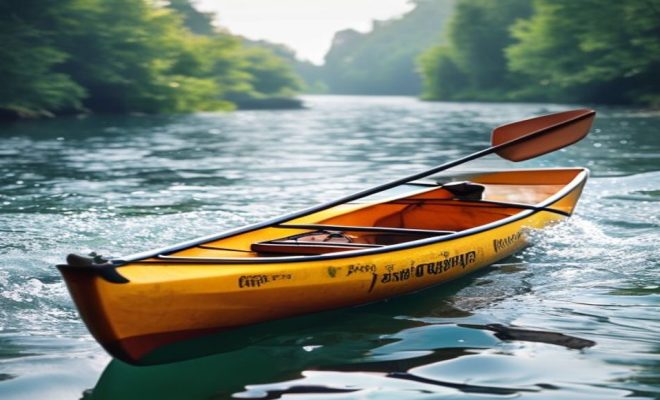
Paddling a canoe is a cherished skill that connects you with nature while providing a great workout. Whether you’re embarking on a serene lake adventure or a challenging river excursion, knowing how to paddle a canoe effectively can significantly enhance your experience. This comprehensive guide will cover everything from the basics of paddling techniques to essential safety tips and gear recommendations, ensuring you’re well-prepared for your next canoe trip.
1. The Basics of Canoeing: Understanding Your Craft
Before you can master how to paddle a canoe, it’s essential to familiarize yourself with this versatile watercraft. Canoes are typically open boats that can accommodate anywhere from one to three paddlers, depending on the design. They can be made from various materials including aluminum, fiberglass, and plastic. Each type has its pros and cons in terms of durability, weight, and cost.
Canoes are designed to be lightweight and maneuverable, allowing paddlers to traverse lakes, rivers, and even some coastal waters. Their stability makes them an excellent choice for beginners, while their versatility appeals to more experienced adventurers. Understanding the anatomy of a canoe, including the hull, gunwales, and bow, will help you better appreciate how it interacts with water and your paddling technique.
Let’s break down the key parts. The hull is the main body of the canoe, designed for buoyancy and hydrodynamics. Different hull shapes impact stability, speed, and maneuverability. For instance, a flat-bottomed hull offers excellent initial stability (it feels steady when you first get in) but might be slower, while a rounded hull might feel tippier initially but offers better secondary stability (it resists capsizing even when tilted) and speed. The gunwales are the top edges of the canoe, providing structural integrity and a place to grab. The bow is the front of the canoe, and the stern is the back. Understanding these components helps you grasp how the canoe behaves and how your paddling actions influence its movement. For example, paddling closer to the bow will turn the canoe, while paddling closer to the stern will help keep it straight.
2. Choosing the Right Canoe: Factors to Consider
When learning how to paddle a canoe, the first step is selecting the right canoe for your needs. Consider the following factors:
- Type of Water: Different canoes are better suited for various environments. If you’re planning to paddle on calm lakes, a recreational canoe will suffice. For whitewater adventures, opt for a more specialized model designed to handle rapids.
- Size and Capacity: Canoes come in various lengths and widths. Longer canoes are generally faster but less maneuverable, while shorter canoes are easier to turn but may not track as straight. Make sure to consider your group’s size and weight when choosing a canoe.
- Material: As mentioned earlier, canoes can be made from aluminum, fiberglass, or plastic. Each material has its advantages. Aluminum is durable and rugged, while fiberglass offers better performance but can be more fragile. Plastic is affordable and lightweight but may not be as long-lasting.
Test out different canoes if possible, as comfort and handling can vary greatly between models. A good fit will make all the difference when learning how to paddle a canoe.
Delving deeper into materials, aluminum canoes, like the ubiquitous Grumman, are practically indestructible. They can take a beating on rocky rivers and require minimal maintenance, making them popular for rental fleets and family use. However, they can be heavy, noisy, and get very hot in the sun or cold in winter. Fiberglass canoes offer a smoother, quieter ride and can be molded into more efficient shapes, making them faster and more aesthetically pleasing. They are lighter than aluminum but can be susceptible to cracks from impacts. Plastic canoes, often made from polyethylene or rotomolded plastic, are a good middle ground. They are relatively inexpensive, durable against minor bumps, and require little upkeep. However, they tend to be heavier than fiberglass and can deform over time if stored improperly. For serious touring or expedition paddling, you might encounter canoes made from advanced composites like Kevlar or carbon fiber. These materials are incredibly lightweight and stiff, offering peak performance, but they come with a significantly higher price tag and can be more prone to impact damage if not handled carefully.
Beyond material, consider the canoe’s rocker. Rocker refers to the upward curve of the keel line from bow to stern. A canoe with more rocker will turn more easily, which is great for winding rivers or whitewater. A canoe with less rocker (straighter keel) will track straighter, making it more efficient for long distances on open water. A 16-foot canoe with moderate rocker is often a good all-around choice for recreational paddlers, balancing speed with maneuverability.
3. Paddling Techniques: The Heart of Canoeing
Now that you’ve chosen your canoe, it’s time to learn how to paddle a canoe effectively. Paddling involves using a paddle to push against the water, propelling the canoe forward. Here are the essential techniques:
3.1 The Basic Stroke
The basic forward stroke is the foundation of canoeing. Start by placing the paddle blade in the water near your toes. Pull the paddle back alongside the canoe, applying even pressure until the blade exits the water at your hip. Rotate your torso and use your arms for leverage, not just your shoulders. This technique engages your core and maximizes efficiency.
Let’s refine this. Imagine you’re doing a mini-sit-up with each stroke. Your top hand acts as a pivot point, pushing forward, while your bottom hand pulls the paddle back. This engages your larger back and core muscles, not just your biceps and triceps. The paddle shaft should be relatively vertical to the water for maximum power transfer. Many beginners make the mistake of letting the paddle angle out too much, which wastes energy and creates less forward thrust. Think of it as reaching forward, planting the paddle, and then pulling the canoe past the paddle, rather than pulling the paddle through the water.
3.2 Reverse Stroke
To slow down or reverse your direction, use the reverse stroke. It’s similar to the forward stroke but in reverse. Start with the paddle at your hip, then push the blade forward and pull back towards your feet. This is useful for maneuvering in tight spots or when you need to stop quickly.
The reverse stroke is often underestimated. It’s not just for stopping; it’s a critical steering tool, especially in windy conditions or when approaching a dock. You can vary the angle of your paddle blade during a reverse stroke to help turn the canoe as you slow down. For example, if you’re in the bow and want to turn the canoe to the right while reversing, you’d perform a reverse stroke on the left side, angling the blade slightly outwards at the end of the stroke to push the bow to the right.
3.3 J-Stroke
The J-stroke is crucial for maintaining a straight course without switching sides constantly. Begin with a forward stroke, but as you pull the paddle back, turn the blade sideways and push outwards in a ‘J’ shape. This technique helps correct the canoe’s course, allowing you to paddle longer distances without tiring yourself out by switching sides too often. (See: Canoe – Wikipedia.)
The J-stroke is the hallmark of an experienced stern paddler. The “J” motion happens naturally at the end of your forward stroke. After the power phase where the blade is pulling straight back, you feather the blade by rotating your wrist so the power face turns outward, and then use that outward pressure to push the stern of the canoe away from the paddling side. This counteracts the natural tendency for the canoe to turn towards the paddling side. The key is to make it a smooth, continuous motion, not a jerky correction. Mastering the J-stroke allows the stern paddler to steer precisely and efficiently, making tandem paddling much more harmonious.
3.4 Draw Stroke and Pry Stroke
Beyond the basics, two other strokes are fundamental for advanced maneuvering: the draw stroke and the pry stroke. The draw stroke is used to pull the canoe sideways towards your paddle. To perform it, reach out with your paddle blade perpendicular to the canoe, plant it firmly in the water, and pull it directly towards the hull. This is incredibly useful for moving sideways, docking, or getting away from an obstacle. You can perform a bow draw (forward of your position) or a stern draw (behind your position) to influence different parts of the canoe. For example, a bow draw will pull the bow towards your paddle, helping initiate a turn.
The pry stroke is the opposite. It’s used to push the canoe sideways away from your paddle. To execute a pry, place your paddle blade flat against the hull, deep in the water, and then push the paddle handle away from the canoe, using the hull as a fulcrum. This pushes the canoe laterally. Both draw and pry strokes are short, powerful movements that are invaluable for precise control in tight spaces.
4. Common Mistakes: What to Avoid
While learning how to paddle a canoe, it’s easy to fall into some common traps. Here are a few mistakes to be aware of:
- Overgripping the Paddle: A tight grip can lead to fatigue and discomfort. Hold the paddle firmly but avoid clenching it too tightly.
- Using Only Your Arms: Many beginners rely solely on their arm strength, which can lead to exhaustion. Engage your entire body for a smoother and more efficient stroke.
- Paddling with the Blade Vertical: Ensure that your paddle blade is angled and submerged in the water for maximum propulsion. A vertical blade can lead to inefficient strokes and splashing.
Practicing these techniques and avoiding mistakes can make a significant difference in your canoeing experience.
Let’s elaborate on some additional pitfalls. A big one is poor body posture. Slouching or sitting rigidly can hinder your ability to rotate your torso and use your core effectively. Sit up straight, but with a relaxed posture, allowing for full range of motion. Your knees should be slightly bent, bracing against the canoe’s sides for stability. Another common error is “chicken winging”, where your top arm stays bent and close to your body, limiting your reach and power. Instead, extend your top arm forward, almost straight, to maximize your reach and leverage. This helps you get a longer, more powerful stroke. Many beginners also tend to dig too deep or too shallow with their paddle blade. Too deep and you’re moving more water than necessary, increasing drag. Too shallow and you’re not getting enough purchase. The sweet spot is usually submerging the entire blade just below the surface, but not so deep that your entire arm is submerged.
Finally, ignoring wind and current is a classic beginner mistake. Wind can push your canoe off course, especially if you’re paddling tandem and not coordinating your strokes. Current can quickly carry you downstream or into obstacles. Always be aware of environmental factors and adjust your paddling strategy accordingly. For example, paddling into a headwind might require shorter, more powerful strokes, while paddling with a tailwind might allow for longer, more relaxed strokes while still maintaining speed.
5. Safety First: Essential Precautions
Paddling can be exhilarating, but safety should always be your top priority. Here are some crucial safety tips:
- Wear a Life Jacket: Always wear a properly fitted personal flotation device (PFD). This is especially important for beginners and those venturing into unfamiliar waters.
- Check Weather Conditions: Before heading out, monitor weather forecasts and be aware of changing conditions. High winds and storms can make paddling dangerous.
- Know Your Limits: Don’t push yourself too hard. Start with calmer waters and shorter distances until you feel comfortable.
- Carry Safety Gear: Always have a whistle, a first aid kit, and a dry bag with essentials, including water and snacks.
By prioritizing safety, you’ll ensure that your canoeing adventures are enjoyable and free of unnecessary risks.
Beyond the basics, understanding basic rescue techniques is crucial. What if you capsize? The first rule is to stay with the canoe. It’s a large flotation device. Hold onto it and try to right it if possible. If you’re near shore, you can often flip it over and bail out the water. If you’re further out, practicing a “canoe-over-canoe” rescue with a partner is invaluable. This involves one canoe flipping the other upside down, emptying it, and then righting it and helping the paddlers re-enter. This requires practice in calm waters before you need it in an emergency.
Another often overlooked safety aspect is hydration and sun protection. Even on cloudy days, UV rays can be intense on the water. Wear a wide-brimmed hat, sunglasses, and apply waterproof sunscreen liberally. Carry more water than you think you’ll need, especially on longer trips. Dehydration can lead to fatigue, impaired judgment, and even heatstroke, all of which are dangerous on the water. Also, consider wearing quick-drying clothing, even in cooler weather, as cotton can stay wet and make you cold if splashed or submerged.
Finally, always tell someone your float plan. Let a trusted friend or family member know where you’re going, your planned route, your expected return time, and who is with you. If you don’t check in by your scheduled time, they’ll know to alert authorities. This simple step can be a lifesaver if you encounter an unexpected emergency.
6. Gear Up: Must-Have Equipment
Getting the right gear can elevate your canoeing experience tremendously. Here’s a list of essential items you should consider:
- Paddle: Choose a paddle that feels comfortable in your hands and fits your canoe’s size. The material can vary, so find one that suits your budget and weight preferences.
- Life Jacket: As mentioned, a PFD is non-negotiable. Make sure it’s Coast Guard approved and fits you properly.
- Dry Bag: Protect your belongings from water damage with a durable dry bag. This is especially important for items like electronics, clothing, and food.
- First Aid Kit: Be prepared for minor injuries with a compact first aid kit that includes band-aids, antiseptics, and any personal medications.
Investing in quality gear can significantly enhance your comfort and safety on the water, making your paddling experience more enjoyable.
Let’s talk more about paddles. A common rule of thumb for paddle length is that when standing the paddle on its blade with the grip on the floor, the grip should come up to your chin or nose. However, this is just a starting point. For solo paddling, a slightly longer paddle is often preferred to allow for more reach and efficient steering strokes. For tandem paddling, the bow paddler might use a slightly shorter paddle than the stern paddler. Paddle blades come in various shapes and sizes too. Wider blades offer more power, while narrower blades are easier on the shoulders for long distances. Materials range from traditional wood, which offers a warm feel and good flex, to aluminum, plastic, and high-performance composites like carbon fiber, which are lighter and stiffer. You might even consider having a spare paddle secured in your canoe, especially on longer trips, in case you lose or break your primary one.
Beyond the essentials, a few other items can significantly improve your trip. A good pair of water shoes or sandals with good grip will protect your feet when launching or landing and prevent slips. A bailer or sponge is critical for getting water out of the canoe, whether it’s from splashes or rain. A small, bright headlamp or flashlight is essential if there’s any chance you’ll be on the water near dusk or after dark. Navigation tools like a waterproof map and compass (and knowing how to use them) or a reliable GPS device are smart for unfamiliar waterways. And don’t forget the practicalities: a small rope or painter line at both the bow and stern of your canoe is useful for tying off, portaging, or even rescue situations. (See: Canoeing Basics – National Park Service.)
7. Planning Your Canoe Trip: Key Considerations
Proper planning can make or break your canoeing adventure. Here are several factors to consider when planning your trip:
- Choose the Right Location: Research local waterways to find the best spots for your skill level. Look for calm lakes or gentle rivers if you’re just starting.
- Know the Regulations: Familiarize yourself with local laws regarding canoeing, including required permits and restricted areas.
- Plan for Duration: Estimate how long you plan to paddle and factor in breaks. Don’t forget to account for the return trip!
- Prepare for Emergencies: Develop a plan for emergency situations. Knowing how to handle capsizing or getting lost is vital for safety.
Thorough preparation ensures that you’re ready for anything, allowing you to focus on enjoying the great outdoors.
When choosing a location, consider the access points and take-outs. Are they easily accessible? Do they have parking? For river trips, understanding the shuttle logistics (how you’ll get back to your starting point after floating downstream) is paramount. This often involves leaving a car at the take-out or arranging for someone to pick you up. Checking the local water levels and flow rates for rivers is also vital; a river that’s gentle at normal flow can become dangerous rapids during high water, or too shallow to paddle in low water.
Packing effectively is another crucial planning aspect. Distribute weight evenly in the canoe to maintain stability. Heavy items should be placed low and towards the center. Use dry bags for anything that absolutely cannot get wet, and consider waterproof containers for food to protect it from splashes and critters. For multi-day trips, think about how you’ll manage waste, including human waste, following Leave No Trace principles. This often means packing out everything you pack in.
Finally, consider the group dynamics. If you’re paddling with others, discuss expectations for pace, breaks, and roles in the canoe (who’s in the bow, who’s in the stern). Good communication is key to a smooth and enjoyable tandem paddling experience. Establish hand signals or verbal cues for turns, stops, or hazards, especially if you’re paddling in areas where talking might be difficult due to wind or distance.
8. Continued Learning: Joining the Canoeing Community
The world of canoeing is vast, and there’s always something new to learn. Joining a local canoeing club or taking lessons from experienced instructors can significantly enhance your skills. Many clubs offer guided trips, which can provide valuable insights and techniques from seasoned paddlers.
Participating in canoeing events or races can also be a fun way to challenge yourself and meet fellow enthusiasts. Social media platforms and online forums are excellent resources for sharing experiences, tips, and advice with a broader community.
Beyond clubs, consider formal instruction. Organizations like the American Canoe Association (ACA) offer certified courses ranging from beginner flatwater skills to advanced whitewater techniques and even instructor certification. These courses provide structured learning, safety training, and the opportunity to receive personalized feedback on your paddling form. Learning from a professional can correct bad habits early on and accelerate your skill development far more quickly than self-teaching alone.
Even if formal courses aren’t your thing, simply paddling with more experienced individuals can be a powerful learning tool. Observe their techniques, ask questions, and don’t be afraid to experiment with different strokes and paddle adjustments. The nuances of reading water, navigating currents, or handling wind are often best learned through practical experience alongside seasoned paddlers who can offer real-time advice. Many paddling communities are incredibly welcoming and eager to share their passion and knowledge.
9. The Joy of Canoeing: What You’ll Gain
Ultimately, learning how to paddle a canoe is more than just a skill—it’s an opportunity to connect with nature, unwind, and enjoy the tranquility of the water. Each paddle stroke allows you to explore new environments, whether it’s gliding through the stillness of a lake at sunrise or navigating the twists and turns of a river.
So why not gather your gear, grab a friend, and hit the water? The journey of paddling a canoe awaits you, filled with adventure, relaxation, and the simple joy of being outdoors.
The benefits extend beyond physical exercise. Canoeing offers a unique perspective on the natural world, allowing you to access areas unreachable by foot and observe wildlife in their undisturbed habitats. Imagine silently gliding past a family of ducks, watching an eagle soar overhead, or spotting a beaver building its lodge. It’s a meditative experience, too. The rhythmic dip and pull of the paddle, the gentle lapping of water against the hull, and the vast expanse of nature can melt away stress and bring a profound sense of peace. For many, it’s a moving meditation, a way to clear the mind and reconnect with oneself.
There’s also the element of shared experience. Tandem canoeing requires communication, coordination, and teamwork. It’s an activity that can strengthen bonds with family and friends, creating lasting memories. From peaceful picnics on secluded islands to challenging river expeditions, canoeing offers a versatile platform for outdoor adventure, suitable for all ages and skill levels. It’s a skill that, once learned, opens up a lifetime of exploration and appreciation for our planet’s waterways. (See: Canoeing Safety Tips – CDC.)
10. Solo vs. Tandem Canoeing: Different Approaches
While most beginners learn how to paddle a canoe in a tandem (two-person) setup, solo canoeing offers a completely different, often more intimate, experience. Understanding the distinctions in technique and approach can help you decide which style suits your goals.
10.1 Tandem Canoeing
In tandem canoeing, communication is paramount. The paddler in the stern (back) is typically the primary steersperson, using strokes like the J-stroke to keep the canoe on course. The bow (front) paddler focuses on power and setting the pace. They should paddle with strong, consistent forward strokes. The stern paddler then adjusts their steering strokes to match the bow paddler’s power. It’s a dance of coordination. If the bow paddler stops paddling, the stern paddler has to work much harder to maintain speed and direction, often resulting in zigzagging. The key is to find a rhythm together, with subtle verbal cues or paddle taps to signal changes in direction or intensity. Sitting or kneeling in a tandem canoe, ensure your weight is balanced and slightly forward of the center, allowing the stern to have good purchase in the water for steering.
10.2 Solo Canoeing
Paddling a canoe solo requires a different set of skills and often a different seating position. To maintain balance and control, solo paddlers typically sit in the bow seat, facing the stern, or kneel just behind the center thwart (crossbar), facing the bow. This shifts your weight closer to the center of the canoe, making it more stable and easier to pivot. When paddling solo, you’re responsible for both propulsion and steering. This means you’ll rely heavily on strokes that combine both functions, such as the J-stroke, Canadian stroke (a variation of the J-stroke where the paddle stays in the water), or stern rudder. Many solo paddlers prefer a slightly longer paddle to reach further for steering. Solo canoeing can be incredibly rewarding, offering unparalleled freedom and quiet connection with nature, but it demands more refined paddle control.
11. Reading the Water: Understanding Your Environment
Becoming proficient at how to paddle a canoe goes beyond just stroke mechanics; it involves learning to read the water. This skill is critical for safety and efficiency, especially on rivers or large, open bodies of water.
11.1 River Dynamics
On rivers, understanding current is key. Water moves fastest in the center of the deepest channel. “V” shapes in the water can indicate obstacles (if the V points upstream) or clear passages (if the V points downstream). Eddies—areas of calm or even upstream-flowing water behind obstacles—are great places to rest or wait. Knowing how to enter and exit eddies smoothly (an eddy turn) is an essential river skill. Look for submerged rocks by observing ripples or changes in water color. Always scout ahead if you’re unsure of what’s around the bend, especially in faster moving water.
11.2 Lake and Open Water Conditions
On lakes, the primary challenges are wind and waves. Wind can create chop, making paddling more strenuous and steering more difficult. If you’re paddling into a headwind, stay closer to shore where the wind might be less intense. If paddling with a tailwind, use it to your advantage but be prepared for waves pushing you. Crossing large open areas in strong crosswinds can be particularly challenging, as the wind constantly tries to turn your canoe. Keep an eye on the sky for rapidly developing storms, as conditions on large lakes can change quickly and dramatically.
12. Canoeing with Children and Pets: Tips for Family Fun
Canoeing can be a fantastic family activity, but bringing children or pets requires extra planning and patience.
12.1 Canoeing with Kids
For children, safety is paramount. They must wear a properly fitted PFD at all times. Start with short trips on calm, shallow water. Make it fun! Pack snacks, bring binoculars for wildlife spotting, and let them try paddling (with supervision). Give them age-appropriate responsibilities, like holding a map or bailing water. Teach them basic water safety rules. Encourage them to stay seated and keep their hands inside the canoe. A small toy or book can keep younger children entertained during longer stretches. Most importantly, keep it positive and don’t push them if they’re not enjoying it; you want them to love being on the water.
12.2 Canoeing with Dogs
Many dogs love canoeing, but it’s not for every furry friend. Introduce your dog to the canoe on land first, letting them sniff and get comfortable. Practice getting in and out. Start with short, calm paddles. Your dog should wear a dog-specific PFD with a handle, making it easier to pull them back into the canoe if they go overboard. Keep them leashed (but not tied to the canoe) so they don’t jump out unexpectedly. Bring water and a bowl for them, and plan for potty breaks on shore. Place a non-slip mat or towel on the bottom of the canoe where they’ll be sitting or lying to give them better footing and reduce anxiety. Their weight can affect stability, so ensure they are positioned centrally and stay calm.
FAQ: How to Paddle a Canoe
Q1: What’s the best way to get into a canoe without tipping it?
A1: This is a common concern! For beginners, it’s best to have someone hold the canoe steady from shore. Step into the center of the canoe, keeping your weight low. Place your paddle across the gunwales for stability, or hold onto the sides. Lower yourself directly into the center of the seat, or kneel if that’s your preferred paddling position. Avoid stepping on the gunwales or leaning heavily to one side as you enter.
Q
Trending Now
Frequently Asked Questions
What are the basics of canoeing?
The basics of canoeing include understanding the anatomy of the canoe, which consists of the hull, gunwales, bow, and stern. Familiarizing yourself with these components helps in mastering paddling techniques and enhances your overall experience on the water.
What materials are canoes made from?
Canoes are typically made from materials such as aluminum, fiberglass, and plastic. Each material has its advantages and disadvantages in terms of durability, weight, and cost, affecting your choice based on the type of paddling you plan to do.
How do I choose the right canoe?
Choosing the right canoe involves considering factors like the number of paddlers, the type of water you'll be navigating, and the canoe's material. Beginners often benefit from stable, lightweight models, while experienced paddlers may prefer those that offer speed and maneuverability.
What are some essential safety tips for canoeing?
Essential safety tips for canoeing include wearing a personal flotation device (PFD), checking weather conditions before heading out, and ensuring your canoe is properly equipped with safety gear like whistles and first aid kits. It's also important to stay aware of your surroundings.
How does the hull shape affect canoeing?
The hull shape of a canoe significantly impacts its stability, speed, and maneuverability. A flat-bottomed hull offers excellent initial stability, while a rounded hull provides better secondary stability and speed, making it crucial to choose the right shape based on your paddling needs.
Trending Now
Frequently Asked Questions
What are the basics of canoeing?
The basics of canoeing include understanding the anatomy of the canoe, which consists of the hull, gunwales, bow, and stern. Familiarizing yourself with these components helps in mastering paddling techniques and enhances your overall experience on the water.
What materials are canoes made from?
Canoes are typically made from materials such as aluminum, fiberglass, and plastic. Each material has its advantages and disadvantages in terms of durability, weight, and cost, affecting your choice based on the type of paddling you plan to do.
How do I choose the right canoe?
Choosing the right canoe involves considering factors like the number of paddlers, the type of water you'll be navigating, and the canoe's material. Beginners often benefit from stable, lightweight models, while experienced paddlers may prefer those that offer speed and maneuverability.
What are some essential safety tips for canoeing?
Essential safety tips for canoeing include wearing a personal flotation device (PFD), checking weather conditions before heading out, and ensuring your canoe is properly equipped with safety gear like whistles and first aid kits. It's also important to stay aware of your surroundings.
How does the hull shape affect canoeing?
The hull shape of a canoe significantly impacts its stability, speed, and maneuverability. A flat-bottomed hull offers excellent initial stability, while a rounded hull provides better secondary stability and speed, making it crucial to choose the right shape based on your paddling needs.
Have you experienced this yourself? We'd love to hear your story in the comments.