Build an Epic Snow Fort: The Ultimate 2024 Guide
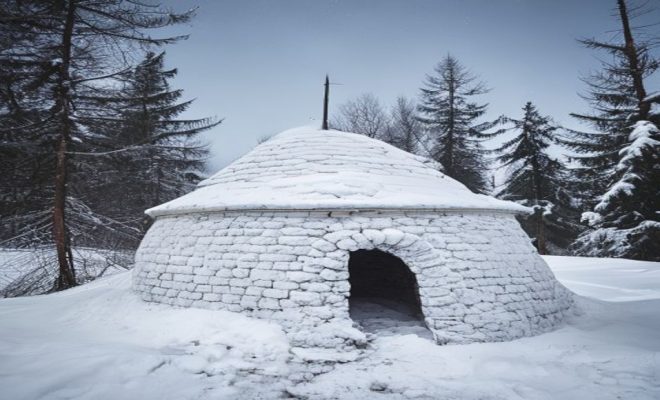
“`html
Building a snow fort is not just a childhood pastime; it’s an art that combines creativity, engineering, and a whole lot of fun. Whether you’re looking to create a simple structure or a grand castle, knowing how to build a snow fort can transform a blank snowy canvas into your winter wonderland. In this guide, we’ll explore everything you need to know, from the basic principles of snow fort construction to advanced techniques that will impress your friends and family.
1. Choosing the Right Snow
The first step in learning how to build a snow fort is selecting the right kind of snow. Not all snow is created equal; the best snow for fort-building is wet, packable snow. This type of snow is typically found after a fresh snowfall, when temperatures are just above freezing. Wet snow sticks together better, allowing you to mold and shape it into solid blocks.
To test the snow’s packability, grab a handful and squeeze it. If it holds its shape and feels firm, you’re good to go. If it crumbles easily, you might want to wait for a little more moisture in the air or the ground. The ideal snow consistency should resemble that of damp sand at the beach.
2. Gathering Your Supplies
Before you start building, gather some essential tools and materials. While the primary material for your fort will be snow, having the right equipment can make the process easier and more efficient. Here’s a quick checklist:
- Sled or shovel: Ideal for transporting snow.
- Snow molds: These can be store-bought or homemade. You can use plastic bins, buckets, or even large cardboard boxes.
- Measuring tape: To ensure your fort is symmetrical and well-proportioned.
- Gloves and warm clothing: Building a snow fort can be a chilly endeavor!
Once you’ve got your supplies, you’re ready to start the building process!
3. Planning Your Design
Now that you have your materials, it’s time to plan your fort’s design. Do you want a simple wall or a multi-room complex? Take a moment to sketch a layout that includes walls, entrances, and any other features you envision. Don’t hesitate to get creative! You could incorporate towers, a sliding ramp, or even a lookout point.
Consider the location of the fort as well. Look for a spot that has a good snow depth and is away from trees or structures that might shed snow onto your creation. A flat surface is ideal for stability.
4. Building the Foundation
The foundation is the most critical part of your snow fort. Start by marking the perimeter of your fort layout in the snow. This will serve as a guide when you begin to build the walls. Use your sled or shovel to pile snow along the perimeter. Compact the snow as you go to create a solid base.
Once the perimeter is established, start shaping the walls. Use your snow molds to create uniform blocks of snow. Stack these blocks on top of each other, packing them tightly to ensure stability. If you’re going for height, make sure the base is wide enough to support the upper sections without toppling over.
5. Creating the Walls
Building the walls of your snow fort can be a labor-intensive process, but it’s also the most rewarding. As you stack your snow blocks, consider the thickness of the walls. Thicker walls will provide better insulation and sturdiness. Aim for walls that are at least two feet thick.
To add extra aesthetics to your fort, consider carving designs into the walls. Use a shovel or your hands to create windows, doorways, or decorative elements. Just ensure these features don’t compromise the fort’s structural integrity. Remember, ventilation is key if you plan on spending time inside your fort!
6. Adding the Roof
Once your walls are up, it’s time to put a roof on your fort. The roof can be flat or slanted, depending on your preference. If you’re using a flat roof design, ensure it’s wide enough to prevent collapsing from the weight of snow falling on it. You can create a slanted roof by stacking blocks at an angle, which can help shed snow more effectively. (See: Understanding different types of snow.)
For an added bonus, consider placing a tarp or thin sheet over the top, which can help keep the interior dry and add an additional layer of insulation. Just be sure it’s securely fastened so it won’t blow away in the winter wind!
7. Decorating Your Snow Fort
Once the basic structure is complete, it’s time to make your snow fort truly unique. You can use colored spray bottles filled with water and food coloring to create colorful designs on the walls. This not only beautifies your fort but also adds a personal touch that showcases your creativity.
Consider bringing in some winter-themed decorations. Pine branches, icicles, or even twinkling lights can transform your fort into a cozy winter hideout. Just be mindful of how these elements can affect the stability and insulation of your fort.
8. Creating an Entrance and Exit
An important aspect of your snow fort is its entrances and exits. You’ll want at least one doorway, but multiple entrances can add accessibility and fun. Make sure the entrances are wide enough for everyone to enter comfortably and can be easily cleared of snow.
If you’re feeling adventurous, consider creating a secret entrance or a tunnel that leads to a hidden spot. This can enhance the fun for those using the fort, making it feel like a true snow hideaway. Always ensure there’s enough space for easy movement so no one gets stuck!
9. Safety Considerations
While building a snow fort is exciting, it’s essential to prioritize safety. Ensure that the walls are stable and the roof is secure to prevent collapses. Avoid letting too many people inside at once, as this can increase the risk of structural failure.
Also, be mindful of where you’re building your fort. Avoid areas that may pose hazards, such as near steep slopes or where snow might slide off trees. Make sure the fort is built in a location that’s safe for play, and always keep an eye on the weather conditions to prevent unexpected avalanches.
10. Enjoying Your Snow Fort
With your snow fort complete, it’s time to enjoy all the hard work you’ve put in! Invite friends over for some winter fun — snowball fights, hot cocoa, or simply lounging inside your fort and enjoying the winter scenery. Consider organizing games, like capture the flag, where your snow fort serves as the stronghold.
Remember, the beauty of a snow fort is that it can be temporary. As winter progresses, you can rebuild, redesign, and recreate your fort as many times as you like. The joy of building your snow fort and using it as a hub for winter activities is truly what makes the chilly months worthwhile.
11. Advanced Building Techniques
For those who want to take their snow fort-building skills to the next level, exploring advanced techniques can lead to even more impressive structures. One popular method involves using scaffolding techniques to create higher walls. By constructing a small platform atop your walls, you can build additional layers without needing to reach awkward heights.
Another advanced technique is the use of snow bricks. Instead of using large blocks, you can create smaller, more uniform bricks by packing snow into molds. This not only makes the construction process easier but also allows for more intricate designs and patterns in your fort. For example, you can create a snow wall with a checkerboard pattern by alternating between white and colored snow bricks.
Additionally, consider incorporating arches and domes into your designs. Arched doorways can add a touch of elegance, while domed ceilings can create a more spacious interior. Both techniques require careful planning and construction, but they can greatly enhance the overall aesthetic and functionality of your fort.
12. Snow Fort Competitions
Looking for a fun way to challenge your skills? Why not organize or participate in a snow fort-building competition? These events can bring friends, family, or even neighbors together for a day of creativity and collaboration. Competitions can range from friendly backyard contests to larger community events. (See: Types of snow and their characteristics.)
During competitions, you can set specific themes or challenges, such as building the tallest fort, the most creative design, or even the best snow sculpture integrated into the fort structure. This adds an element of fun and encourages participants to think outside the box.
Document the progress with photos and videos, and consider appointing judges or having a voting process to determine the winners. The best part? Everyone gets to enjoy the fruits of their labor once the forts are complete!
13. Environmental Considerations
While building a snow fort can be tons of fun, it’s essential to be mindful of the environmental impact. Avoid building in areas where wildlife might be affected, such as nesting spots for birds or habitats for small mammals. Try to keep the construction area as natural as possible and avoid disturbing the surrounding landscape.
Additionally, be cautious about using any materials for decoration or insulation that might not be biodegradable or environmentally friendly. Stick to natural materials like branches, leaves, or other biodegradable items to minimize your footprint.
Snow forts can be a fantastic way to teach children about nature and environmental stewardship. As you build, share insights about the local ecosystem and the importance of preserving it, making the experience both educational and enjoyable.
14. Common Mistakes to Avoid
Even the most seasoned snow fort builders can make mistakes. Here are some common pitfalls to watch out for:
- Poor structural design: Ensure your design is stable and can withstand the weight of snow. A solid foundation is crucial.
- Ignoring drainage: If your fort collects water or snow melt, it can weaken the structure. Build in areas with good drainage or create sloped roofs to direct runoff away.
- Not using enough snow: When packing snow, make sure to use enough material to create strong, thick walls. Thin walls might look pretty but can collapse easily.
- Not checking the weather: Always keep an eye on the forecast. Heavy snow or rain can compromise your fort’s integrity.
15. Frequently Asked Questions (FAQ)
What is the best type of snow for building a snow fort?
Wet, packable snow is ideal for building a snow fort. It holds together well and can be easily molded into shapes. If the snow is too dry or powdery, it won’t stick together effectively.
How long does it take to build a snow fort?
The time it takes to build a snow fort depends on its size and complexity. A simple fort might take a few hours, while a larger, more elaborate structure could take an entire day or more to complete.
Can I build a snow fort on my own?
Yes, you can build a snow fort by yourself, but it’s often more fun and efficient with a group. Having friends or family help can make the process quicker and allow for collaboration on design ideas.
Is it safe to spend time inside a snow fort?
Yes, as long as the fort is built safely and structurally sound. Always ensure that the walls and roof are stable to prevent collapses. Avoid overcrowding and keep an eye on any potential hazards in the area.
Can snow forts withstand harsh weather?
Snow forts are temporary structures and can be affected by warm weather, rain, or heavy snowfall. It’s best to monitor weather conditions and take precautions, such as reinforcing the structure or creating drainage paths, to help it withstand the elements.
Are there any tips for maintaining a snow fort?
To maintain your snow fort, regularly check for any signs of weakness or potential collapse. If you notice any areas that need reinforcement, add more snow or pack down existing walls. Clear out any snow buildup that might weigh down the roof or walls. (See: Scientific studies on snow properties.)
16. Incorporating Technology into Snow Fort Building
With the rise of technology, many enthusiasts are finding new ways to enhance their snow fort-building experience. Consider using drones to capture aerial views of your fort as it takes shape. This can not only create a fun documentation of your project but also allow you to analyze the layout and make adjustments.
If you want to get really high-tech, some builders have begun using 3D modeling software to design their forts before they start construction. This way, you can visualize the entire structure and make modifications as needed before you ever step into the snow. Apps and software can help you evaluate the best design for stability and aesthetics.
17. Snow Forts Around the World
Snow forts aren’t just a local phenomenon; they appear in various cultures and countries, each with its own unique take on snow building. In regions like Canada and Finland, elaborate ice hotels and snow sculptures are created, showcasing a blend of art and architecture.
In Japan, the Sapporo Snow Festival features incredible snow and ice sculptures, attracting visitors from around the globe. These structures can resemble ancient castles and even modern buildings, highlighting how creativity knows no bounds when it comes to snow.
Knowing how snow forts are constructed in different cultures can provide inspiration and new techniques for your builds. Taking cues from global styles can enhance your design, leading to something unique and imaginative!
18. Winter Safety Tips
As fun as building a snow fort can be, it’s vital to keep safety in mind. Here are some winter safety tips to consider:
- Dress in layers: Ensure you’re warm but not overheated. Moisture-wicking layers and insulated outerwear are ideal.
- Stay hydrated: It’s easy to forget to drink water when it’s cold, but staying hydrated is crucial, especially when you’re engaged in physical activity.
- Be aware of your surroundings: Keep an eye out for potential dangers, such as icy patches or nearby sledding hills.
Taking these precautions will help ensure that your snow fort-building experience is enjoyable and safe!
Building a snow fort can become a cherished winter tradition, fostering creativity, collaboration, and outdoor activity. The skills you develop while constructing your fort can be useful in other areas, like problem-solving and teamwork. So gather your friends, grab your shovels, and start building your next winter masterpiece!
“`
Trending Now
Frequently Asked Questions
What is the best type of snow for building a snow fort?
The best type of snow for building a snow fort is wet, packable snow, typically found after a fresh snowfall when temperatures are just above freezing. This snow sticks together better, allowing you to mold it into solid blocks. Test the snow by squeezing it; if it holds its shape, you're ready to build.
What tools do I need to build a snow fort?
To build a snow fort, gather essential tools such as a sled or shovel for transporting snow, snow molds (which can be store-bought or homemade), a measuring tape for symmetry, and gloves along with warm clothing to keep comfortable while building.
How do I plan the design of my snow fort?
Planning your snow fort's design involves deciding whether you want a simple wall or a more complex multi-room structure. Consider the space available and sketch a rough design to guide your building process, ensuring it meets your vision for the fort.
Can I build a snow fort by myself?
Yes, you can build a snow fort by yourself, but having friends or family help can make the process more enjoyable and efficient. Working together allows for larger structures and more creative designs, enhancing the fun of building a snow fort.
How long does it take to build a snow fort?
The time it takes to build a snow fort varies based on its size and complexity. A simple wall may take just an hour, while a larger, multi-room fort could take several hours or even a day. Planning and teamwork can speed up the process significantly.
Have you experienced this yourself? We'd love to hear your story in the comments.