Master Leash Training: Your Guide to Well-Behaved Walks
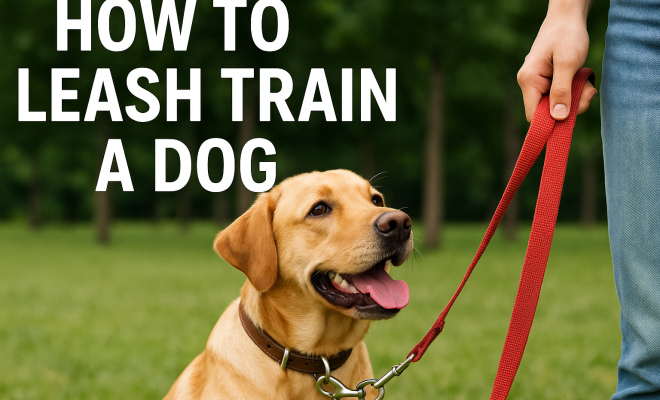
“`html
Leash training for dogs is a fundamental skill every pet owner should prioritize. A well-trained dog not only makes walks more enjoyable but also enhances safety for both the dog and those around them. In this comprehensive guide, we will explore the essential steps and tips for effective leash training, ensuring that your furry companion becomes a well-behaved walking buddy.
1. The Importance of Leash Training
When it comes to canine behavior, leash training is not just a matter of convenience; it’s crucial for the safety and well-being of dogs and their owners. A properly trained dog on a leash helps prevent accidents, reduces stress during walks, and creates a more enjoyable experience. Unruly dogs can quickly become a hazard, pulling their owners into traffic or causing confrontations with other pets.
Moreover, leash training is an essential part of socialization. Dogs that are accustomed to being walked on a leash are more comfortable in various environments, which reduces anxiety and promotes calm behavior around people and other animals. This foundational skill sets the stage for future training and helps establish a positive relationship between you and your dog.
2. Choosing the Right Equipment
Before you even begin leash training for dogs, it’s important to select the proper equipment. A good leash and collar or harness can make all the difference. While traditional collars work for many dogs, some may benefit from a front-clip harness, especially if they tend to pull. Harnesses distribute pressure more evenly and can give you better control over your pet.
For leashes, opt for a standard flat leash that is 4 to 6 feet long. Avoid retractable leashes for training, as they can encourage pulling and make it difficult to manage your dog’s behavior. Additionally, ensure that the gear fits properly; a loose collar can slip off, while a tight one can cause discomfort. Properly fitted gear is critical for both safety and effectiveness during training.
3. Setting the Stage for Training
Before diving into leash training, setting the right environment is crucial. Choose a quiet area with minimal distractions, such as your backyard or a quiet park. This allows your dog to focus on you and the training process without the overwhelming stimuli of busy streets or other dogs.
Start the training session when your dog is calm and relaxed. If your dog is overly excited, consider exercising them first to burn off some energy. Once they’re settled, it’s time to introduce the leash and collar or harness. Allow your dog to explore the gear, and reward them with treats for positive engagement. This helps create a positive association with the leash, making future sessions smoother.
4. Basic Commands: Teaching “Heel” and “Let’s Go”
Two foundational commands that greatly assist in leash training are “heel” and “let’s go.” Begin by teaching “heel,” which instructs your dog to walk closely beside you. To teach this command, start by standing still with your dog next to you. Use a treat to encourage your dog to move into the desired position. Reward them as soon as they’re in place and start walking. Repeat the process, gradually increasing the distance you walk before offering the reward.
The “let’s go” command can be useful for encouraging your dog to move alongside you when transitioning from a stop. To teach this command, start walking and say “let’s go” in an upbeat tone. When your dog begins to walk with you, praise and reward them. Consistency is key—be sure to practice these commands regularly to reinforce the behaviors.
5. Addressing Pulling and Distractions
Many dogs exhibit pulling behavior, which can be frustrating for owners. To address pulling, one effective technique is to stop walking as soon as your dog starts pulling. Stand still and wait for them to return to your side before continuing. This teaches your dog that pulling won’t get them where they want to go.
Introducing distractions gradually is another essential aspect of leash training. Start in a quiet area and slowly expose your dog to more stimulating surroundings, like parks or busy streets. If your dog becomes distracted with other dogs or people, redirect their attention back to you using treats or commands. Always reward them for returning focus to you, which reinforces the behavior you want to see. (See: CDC on dog health and safety.)
6. Consistency and Patience: The Keys to Success
When it comes to leash training for dogs, consistency is paramount. Make training a part of your daily routine. Short, frequent sessions are often more effective than longer, sporadic ones. Aim for at least 10 to 15 minutes of focused training each day. This keeps your dog engaged and helps solidify the skills you’re teaching.
Patience is equally crucial. Every dog learns at their own pace, so it’s important to celebrate small victories along the way. If your dog struggles with a particular command or behavior, take a step back and practice the basics before moving forward. Remember, training should be a positive experience; if frustration arises, it’s better to take a break than to push through.
7. Socialization: Taking Training Beyond the Leash
Leash training is only one component of a well-rounded training program. Socialization is equally important. Exposing your dog to various environments, people, and other animals helps build confidence and reduces fear-based behaviors. Once your dog is comfortable on a leash, gradually introduce them to different settings where they can observe and interact with new stimuli.
Group training classes can be a great option for socialization. Not only do they provide supervised interactions with other dogs, but they also offer guidance from a professional trainer. Engaging with other pets and people can reinforce your dog’s training and help them adapt to various social situations.
8. Common Mistakes to Avoid
As you embark on your journey of leash training for dogs, be aware of common pitfalls. One mistake many owners make is inconsistent commands. Ensure that everyone in your household uses the same terms and cues to avoid confusing your dog. Additionally, avoid using negative reinforcement or punishment, as this can create fear and anxiety around the leash.
Another frequent error is rushing the training process. Each dog is unique, and they may require different amounts of time to learn. Be mindful not to skip foundational skills in an effort to progress quickly. Lastly, remember to make the training experience fun. Incorporate play and rewards to maintain your dog’s enthusiasm and positivity toward the training process.
9. When to Seek Professional Help
If you’re struggling with leash training or your dog exhibits extreme behavior issues, it may be beneficial to consult a professional trainer. A certified dog trainer can provide personalized guidance tailored to your dog’s specific needs. They can help identify behavior patterns and work with you to develop an effective training plan.
Additionally, some dogs may have underlying issues that require specialized attention, such as fear, anxiety, or aggression. In such cases, a professional can offer valuable insights and techniques to address these challenges. Remember, seeking help is a sign of commitment to your dog’s well-being, and it can lead to a more successful training experience.
10. Understanding Your Dog’s Body Language
Being aware of your dog’s body language while leash training is equally important. Dogs communicate a lot through their body posture and facial expressions. Knowing what to look for can help you better understand how your dog is feeling during walks. For instance, a relaxed dog will have a loose body posture and wagging tail, while a dog that is tense may have a stiff body or hold their tail low.
When your dog shows signs of stress, such as panting, cowering, or trying to pull away, it’s a good indication that you may need to slow down the training process or change your approach. Finding a balance between challenging your dog and respecting their comfort level is essential for success.
11. Leveraging Positive Reinforcement
Positive reinforcement is a powerful tool during leash training. Instead of focusing on negative behaviors, reward your dog for doing the right thing. This could be a treat, praise, or a toy. For example, if your dog walks beside you without pulling, immediately reward them with a treat and verbal praise. This not only reinforces good behavior but also increases the likelihood that they will repeat it in the future.
It’s also helpful to vary the rewards to keep your dog engaged. If they start to lose interest, switch it up by using high-value treats or incorporating play sessions into the training. This keeps the training fresh and exciting for your dog.
12. Training for Different Breeds
Different breeds can have varying temperaments and energy levels, which may affect their leash training. For instance, high-energy breeds like Border Collies or Labrador Retrievers might require more intensive training and exercise compared to more laid-back breeds like Bulldogs or Basset Hounds. Understanding your dog’s breed characteristics can help you tailor your training approach. (See: New York Times guide to dog training.)
For example, if you’re training a high-energy breed, you might need to implement more physical exercise before training sessions to help them focus better. Conversely, for lower-energy breeds, shorter and more frequent sessions can keep them engaged without overwhelming them.
13. Statistics and Research on Dog Behavior
Recent studies indicate that approximately 40% of dog owners experience difficulties with leash training, primarily due to pulling or disobedience. According to a survey conducted by the American Kennel Club, 60% of dog owners believe that their dogs would benefit from professional training, highlighting the common challenges faced in leash training.
Additionally, a study published in the Journal of Veterinary Behavior found that dogs trained with positive reinforcement techniques display significantly less anxiety and aggression in social situations than those trained with aversive methods. This emphasizes the importance of using reward-based training methods for leash training to foster a confident and calm canine.
14. Leash Training FAQs
Q: How long does it take to leash train a dog?
A: The timeline can vary significantly depending on the dog’s age, breed, and previous training experiences. Generally, with consistent daily practice, you should expect to see noticeable improvement within a few weeks.
Q: What should I do if my dog refuses to walk on a leash?
A: Start by allowing your dog to get used to wearing the collar and leash indoors. Use treats to entice them to move around with the leash attached. If they resist, don’t force them; instead, make it a fun experience by incorporating play and gradually increasing their comfort level.
Q: Is it necessary to use a collar instead of a harness?
A: While collars are traditional, harnesses are often recommended for dogs that pull or have respiratory issues. Harnesses provide better control and prevent strain on the neck, making them a safer option for many dogs.
Q: Why does my dog pull on the leash despite training?
A: Dogs may pull for various reasons, including excess energy, excitement, or simply because they want to explore. Ensure you’re addressing their needs with adequate exercise and gradually increasing the difficulty of training sessions to manage pulling behavior effectively.
Q: Can I train an older dog to walk on a leash?
A: Yes! Older dogs can learn new behaviors at any age. It may take additional patience and time, but consistency and positive reinforcement will yield results. Just be mindful of any physical limitations they may have due to age.
15. Maintaining Good Leash Behavior
Once your dog has mastered leash training, it’s crucial to maintain good behavior. Regular reinforcement of commands, continued socialization, and routine walks help keep skills sharp. Consider incorporating leash training into your daily routine as a fun activity, blending training with exercise. This not only reinforces the skills learned but also strengthens your bond with your dog.
In addition, consider introducing new environments and varying your walking routes. This keeps your dog mentally stimulated and adaptable to different scenarios, which is vital for well-rounded behavior. If you encounter new challenges in the environment, seize the opportunity for further training and adaptation.
16. Exploring Advanced Leash Training Techniques
Once your dog has the basics down, you might want to explore more advanced leash training techniques. One example is “loose leash walking,” where you teach your dog to walk by your side without pulling. This involves teaching them to stop when the leash becomes taut and to start moving again only when the leash is loose. This technique can help create an enjoyable walking experience for both you and your pet.
Another technique is “clicker training,” which uses a sound to mark desired behavior followed by a reward. This method can help clarify to your dog what actions are being rewarded, making it easier for them to learn specific commands or behaviors associated with walking on a leash.
17. Creating a Positive Training Environment
Establishing a positive training environment is essential for successful leash training. This means minimizing distractions and fostering a sense of calm. Use high-value treats that your dog loves to enhance their focus. You might also play soothing music during training sessions to create a relaxed atmosphere. Choose a reward that resonates with your dog and use it consistently to build their enthusiasm for training.
Another aspect to consider is the timing of your training sessions. Training your dog when they are naturally calm, such as after a meal or a play session, can lead to more successful outcomes. Schedule short training exercises throughout the day rather than lengthy sessions, as this keeps your dog engaged without overwhelming them.
18. Real-Life Examples of Successful Leash Training
Many pet owners have shared their success stories regarding leash training. For example, one owner of a Labrador Retriever struggled with pulling during walks. By implementing the “stop and go” method, they rewarded their dog every time they walked calmly beside them. Within a few weeks, the dog learned to walk beautifully on a leash, turning the walks into pleasant experiences for both of them.
Another story comes from an owner of a shy rescue dog. Initially, the dog was fearful of the leash, but with gradual introduction and positive reinforcement, the dog not only learned to walk on the leash but also started to enjoy their time outdoors. This highlights how patience and understanding can significantly impact leash training and overall behavior.
19. Training Tips from Dog Behaviorists
Experts in canine behavior often emphasize the importance of understanding a dog’s individual personality and needs during the training process. According to Dr. John Ciribassi, a well-known veterinary behaviorist, “Each dog has a unique disposition, and training must be tailored to fit their personality.” He advises owners to remain observant and adaptable to their dog’s reactions during training sessions.
Moreover, Dr. Karen Overall, a veterinary behaviorist, stresses the importance of maintaining a calm demeanor as an owner. She notes that dogs are incredibly perceptive and can pick up on their owners’ anxiety. Keeping a positive and relaxed atmosphere can enhance the effectiveness of training. Using techniques like controlled breathing can help owners remain calm and project confidence to their dogs.
20. Final Thoughts on Leash Training for Dogs
As you engage in leash training for dogs, remember that progress takes time. Every dog is different, and what works for one might not work for another. Stay flexible and open to adjusting your methods. By following these tips and strategies, you’ll equip yourself with the tools necessary to foster a strong bond with your canine companion and enjoy countless memorable walks together. Happy training!
“`
Trending Now
Frequently Asked Questions
What is the best way to leash train a dog?
The best way to leash train a dog is to start with the right equipment, such as a standard flat leash and a properly fitted collar or harness. Begin training in a quiet area, use positive reinforcement, and gradually introduce distractions to help your dog learn to walk calmly beside you.
Why is leash training important for dogs?
Leash training is crucial for the safety and well-being of both dogs and their owners. It helps prevent accidents, reduces stress during walks, and promotes better socialization, allowing dogs to feel more comfortable in various environments.
What equipment do I need for leash training my dog?
For leash training your dog, you'll need a standard flat leash that is 4 to 6 feet long and a properly fitted collar or harness. A front-clip harness can be beneficial for dogs that tend to pull, as it provides better control and comfort.
How long does it take to leash train a dog?
The time it takes to leash train a dog varies by individual dog and consistency in training. Generally, with regular practice and positive reinforcement, many dogs can learn basic leash manners within a few weeks to a couple of months.
What should I avoid when leash training my dog?
When leash training your dog, avoid using retractable leashes as they can encourage pulling and make it harder to control your dog. Additionally, ensure that your dog's collar or harness fits properly to prevent discomfort and potential escape.
Agree or disagree? Drop a comment and tell us what you think.