DIY Light Fixture Replacement: Upgrade Your Home Today!
“`html
Replacing a light fixture may seem like a daunting task, but with a little knowledge and the right tools, it can be a rewarding DIY project. Not only does it allow you to upgrade your home’s aesthetics, but it can also improve energy efficiency and functionality. In this guide, we’ll break down everything you need to know about how to replace light fixture.
1. Understanding the Basics of Light Fixtures
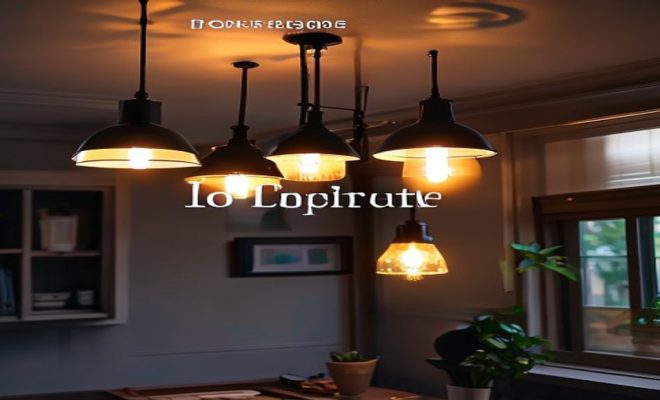
Before you dive into the replacement process, it’s crucial to understand what a light fixture is and the various types available. Light fixtures come in several forms, including chandeliers, pendant lights, ceiling-mounted fixtures, and wall sconces. Each type serves a different purpose and contributes uniquely to the ambiance of your home.
Aside from style, fixtures can differ in terms of installation complexity. Some fixtures are straightforward to replace, while others may require more intricate electrical work. Knowing the type of fixture you plan to replace will help you prepare adequately for the job.
2. Tools and Materials You’ll Need
Before you begin, gather the necessary tools and materials for the job. Here’s a list of what you’ll need:
- Wire cutters/strippers
- Screwdrivers (flathead and Phillips)
- Voltage tester
- Electrical tape
- Wire nuts
- New light fixture
- Step ladder
- Safety goggles
- Gloves
Having these tools on hand will not only make the process smoother but also ensure your safety while working. Safety goggles and gloves are particularly important as they protect against sharp wires and falling debris.
3. Safety First: Preparing to Replace Your Light Fixture
Safety is paramount when handling electrical fixtures. Start by turning off the power to the light fixture at the circuit breaker. This step is non-negotiable; working on an energized circuit can lead to severe injury or even death. Once the power is off, use a voltage tester to confirm that no electricity is flowing to the fixture.
Additionally, consider using a step ladder to access the light fixture safely. If you’re replacing a ceiling fixture, ensure the ladder is stable and positioned correctly. If you’re unsure about your electrical skills, don’t hesitate to consult a licensed electrician.
4. Removing the Old Light Fixture
With the power turned off, it’s time to remove the existing light fixture. Start by unscrewing any decorative covers or shades. Depending on the fixture type, you may need to remove screws or simply pull down on the shade. Once you’ve exposed the mounting hardware, you can start disconnecting the wires.
Carefully unscrew the wire nuts connecting the fixture wires to the house wires. It’s a good idea to take a photo of the connections before you disconnect them. This visual reference will help you when connecting the new fixture later. Once the wires are free, remove the mounting bracket from the ceiling or wall. (See: Understanding light fixtures.)
5. Choosing the Right Replacement Fixture
When choosing a new fixture, consider both function and style. Is it going in a kitchen, dining room, or hallway? Each area may require different lighting types—ambient, task, or accent lighting. Think about the size of the room and the fixture; a large chandelier might overwhelm a small space, while a tiny pendant might get lost in a grand foyer.
Additionally, energy efficiency is key. Look for fixtures that accommodate LED bulbs, which last longer and consume less energy than traditional options. Don’t forget to check the fixture’s compatibility with the existing wiring and ceiling height.
6. Installing the New Light Fixture
Now comes the exciting part: installing your new light fixture! Begin by attaching the mounting bracket that came with your new fixture to the ceiling or wall. Make sure it’s secure, as this will hold the weight of the fixture.
Next, connect the wires from your new fixture to the house wiring. Typically, you’ll connect black to black (or red to red), white to white, and ground to ground. Use wire nuts to secure the connections, and wrap them with electrical tape to ensure safety. Once the wiring is secured, attach the fixture to the mounting bracket and add any decorative cover or shades.
7. Testing Your New Fixture
Before you declare your project a success, it’s time to test the new installation. Turn the power back on at the circuit breaker and flip the switch to test the fixture. If the light doesn’t turn on, double-check your connections and ensure the bulb is properly installed.
If everything works as expected, congratulations! You’ve successfully replaced your light fixture. However, if you encounter issues that you can’t fix, calling a professional electrician may be the best course of action.
8. Maintaining Your Light Fixtures
Once you’ve replaced the light fixture, maintaining it is crucial for longevity and performance. Dust and clean your fixtures regularly to prevent buildup that can affect brightness. Depending on the type of bulbs used, you may also want to check their efficiency and replace them as needed.
Consider seasonal changes; for instance, if you switch to different fixtures for the holidays, ensure that you store them safely. Regularly inspect the wiring and connections to ensure everything remains secure and in good condition.
9. When to Call a Professional
While many homeowners can successfully replace a light fixture, some situations may warrant a call to a professional. If you’re uncomfortable working with electricity, have complicated wiring, or are unsure about how to proceed, it’s wise to seek help. Additionally, if you’re replacing a fixture with a more complex one, such as a chandelier, an electrician can ensure it’s done safely and correctly. (See: Electrical safety guidelines.)
Ultimately, knowing when to call for professional assistance can save you time, money, and stress in the long run.
10. Common Electrical Issues When Replacing Light Fixtures
While replacing a light fixture is often straightforward, you might encounter some common electrical issues during the process. Understanding these problems can help you troubleshoot effectively.
- Wiring Issues: Sometimes, you may find that the wiring in your home doesn’t match up with your new fixture. Older homes, in particular, may have outdated wiring systems that require adapters or specialized fixtures.
- Dimmer Switch Compatibility: If your new fixture doesn’t work with existing dimmer switches, it may result in flickering lights. Ensure that your new fixture is compatible with dimmers or consider upgrading your dimmer switch.
- Overheating: If your new fixture gets excessively hot, it might be incompatible with the bulbs you’re using. Always check the wattage rating for the fixture and ensure it matches your bulbs.
11. Eco-Friendly Lighting Options
As you replace your light fixture, consider eco-friendly options that can significantly reduce your energy consumption. LED lights are a popular choice, consuming up to 75% less energy than incandescent bulbs and lasting up to 25 times longer. Beyond LED, there are other sustainable choices:
- CFLs (Compact Fluorescent Lamps): These bulbs use about 70% less energy than traditional bulbs and have a longer lifespan.
- Solar-Powered Fixtures: For outdoor spaces, solar-powered lights can be a great way to light up your garden or walkway without using any electricity from your home.
- Smart Lighting: Consider smart bulbs or fixtures that can be controlled via an app, allowing you to schedule and adjust lighting based on your needs, which can save energy.
12. DIY vs. Professional Help: Weighing the Costs
Deciding between a DIY light fixture replacement and hiring a professional can come down to several factors, including costs. Here’s a quick breakdown:
- DIY Costs: The cost is typically limited to the new fixture and any materials needed for installation. This might range from $50 to several hundred, depending on your fixture choice.
- Professional Costs: Hiring an electrician usually costs between $50 to $100 per hour, plus the cost of the fixture itself. If the job requires more extensive work, such as rewiring or installing new circuits, this can increase significantly.
- Time and Stress: DIY can be time-consuming, especially if you encounter problems. Weigh your comfort level with electrical work against how much time you want to invest.
13. FAQs about Replacing Light Fixtures
Q1: Can I replace a light fixture without turning off the power?
A: It’s strongly advised to turn off the power before beginning any electrical work. This is to ensure your safety and prevent any accidents.
Q2: How do I know what size light fixture I need?
A: A good rule of thumb is to select a fixture that is proportional to the size of the room. For example, a dining room fixture should be about 12 inches narrower than the table.
Q3: What should I do if the new fixture doesn’t match the old wiring?
A: If you encounter wiring that doesn’t match up, it’s best to consult an electrician. They can help you find the right solution, whether it requires an adapter or a different fixture.
Q4: Can I install a ceiling fan in place of a light fixture?
A: Yes, you can replace a light fixture with a ceiling fan, but ensure that the existing electrical box is rated to support the weight of the fan. Installation may also require additional wiring. (See: Home improvement lighting tips.)
Q5: How often should I replace my light fixtures?
A: There’s no strict timeline, but if a fixture is showing signs of wear, such as rust, electrical issues, or reduced light output, it may be time for a replacement.
14. Additional Considerations When Choosing a Fixture
Lighting isn’t just about functionality; it also plays a significant role in interior design. When selecting a fixture, consider:
- Style and Theme: Ensure the new fixture complements your overall decor style, whether that’s modern, traditional, industrial, or eclectic.
- Finish and Color: The finish and color of the fixture can affect not only its appearance but also how it reflects light. Brushed nickel, matte black, and antique brass are popular choices.
- Height and Placement: Especially for pendants or chandeliers, the height at which the fixture is hung is crucial. A general rule is to hang a chandelier 30 to 36 inches above a dining table.
15. Exploring Lighting Trends
Just like fashion, lighting trends evolve over time. Here are some of the latest trends to consider when replacing your light fixture:
- Minimalism: Simple, clean lines are gaining popularity. Fixtures that blend seamlessly with the decor while providing essential lighting can create a sense of calm in any space.
- Vintage and Retro Styles: Many homeowners are drawn to fixtures that offer a vintage or retro flair. Think Edison bulbs, brass finishes, and designs reminiscent of the early 20th century.
- Colorful and Bold Fixtures: Vibrant, colorful fixtures can serve as statement pieces. Whether it’s a bright red pendant or a deep blue chandelier, these fixtures can add character to a room.
- Smart Home Integration: Lighting solutions that work with smart home systems are becoming the norm. Fixtures that can be controlled remotely or adjusted for brightness and color temperature add versatility and convenience.
16. Understanding Electrical Ratings
When selecting a new light fixture, understanding electrical ratings is essential for safe installation and operation:
- Wattage: Check the maximum wattage your fixture can handle. Exceeding this limit can create a fire hazard.
- Voltage: Most household fixtures operate on 120 volts, but some may require 240 volts, especially in specialized applications. Ensure compatibility with your home’s electrical system.
- IP Rating: If you’re installing fixtures outdoors or in humid areas, look for an Ingress Protection (IP) rating that indicates how well the fixture can withstand moisture and dust.
17. Tips for Installing Fixtures in Unique Spaces
Some spaces present unique challenges when replacing light fixtures. Here are some tips:
- In Low Ceilings: Opt for flush-mount fixtures to save space. These fixtures sit close to the ceiling and provide adequate lighting without overwhelming the room.
- For High Ceilings: Consider using long pendant lights or chandeliers that draw the eye upward and make a grand statement. Remember to suspend them at the appropriate height.
- In Small Rooms: Use wall sconces or recessed lighting to create the illusion of more space. These options do not take up much room while still providing necessary light.
18. Conclusion
In summary, replacing a light fixture can enhance your home’s aesthetics and functionality. Equip yourself with the right tools, prioritize safety, and enjoy the satisfaction that comes with a successful DIY project. Whether you’re looking to refresh a room or upgrade to a more energy-efficient option, you now have the knowledge to tackle this project head-on.
“`
Trending Now
Frequently Asked Questions
What tools do I need to replace a light fixture?
To replace a light fixture, you'll need wire cutters/strippers, screwdrivers (flathead and Phillips), a voltage tester, electrical tape, wire nuts, the new light fixture, a step ladder, safety goggles, and gloves. Having these tools ready will ensure a smoother and safer installation process.
How do I safely turn off the power to a light fixture?
To safely turn off the power to a light fixture, locate the circuit breaker panel and switch off the circuit that controls the fixture. This is essential to prevent electrical shock. After switching off the power, confirm it is off using a voltage tester before starting any work.
What types of light fixtures can I replace?
You can replace various types of light fixtures, including chandeliers, pendant lights, ceiling-mounted fixtures, and wall sconces. Each type has different installation complexities and aesthetic contributions, so understanding what you plan to replace is crucial for preparation.
Can I replace a light fixture myself?
Yes, you can replace a light fixture yourself if you have the right tools and follow safety precautions. It's important to understand the basics of electrical work, ensure the power is off, and use appropriate safety gear. However, if you're unsure, consider consulting a professional.
What should I do if my new light fixture doesn't work?
If your new light fixture doesn't work, first check that the power is on at the circuit breaker. Then, ensure all connections are secure and that the bulbs are properly installed. If issues persist, use a voltage tester to check for power at the fixture or consult a professional electrician.
What’s your take on this? Share your thoughts in the comments below — we read every one.