Host Your Website for Free: A Comprehensive Guide
“`html
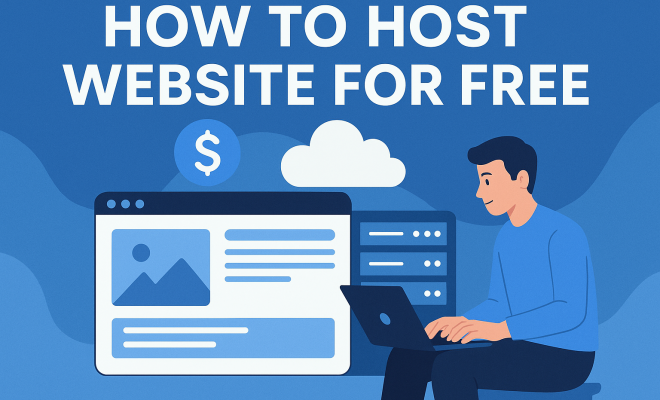
In today’s digital world, having an online presence is more important than ever. Whether you’re a budding entrepreneur, a blogger, or just someone looking to share their thoughts with the world, free website hosting can be an excellent starting point. This guide will explore how to host a website for free, covering essential aspects that can help you make the most of your online venture.
1. Understanding Free Website Hosting
Free website hosting refers to services that allow you to publish a website on the internet without any upfront costs. While these services are appealing, they come with certain limitations. Generally, free hosting providers can restrict your bandwidth, storage, and number of websites you can create, which might not suit everyone’s needs.
However, for individuals and small projects, free website hosting can be quite adequate. It’s a way to test your ideas, learn how to build a website, and even host a portfolio or personal blog without financial pressure. Being aware of the limitations can help you choose a service that fits your needs.
2. Popular Free Hosting Platforms
There are several reputable platforms that offer free website hosting. Here are a few notable ones:
- Wix: Known for its drag-and-drop interface, Wix allows you to create visually appealing websites without technical skills. It provides free hosting but displays Wix ads on your site.
- WordPress.com: A great option for bloggers, WordPress.com offers a free tier with basic features. However, you’ll have a WordPress subdomain, limiting some branding opportunities.
- Weebly: This platform offers a user-friendly interface and e-commerce capabilities, making it suitable for small businesses. Like others, it includes ads on free accounts.
- GitHub Pages: Ideal for developers, GitHub Pages allows you to host static websites from a GitHub repository for free. This is a great option if you have coding skills.
Choosing the right platform depends on your specific needs, whether that’s design flexibility, ease of use, or technical capabilities.
3. Setting Up Your Free Hosting Account
Once you select a free hosting service, the next step is to set up your account. This process is usually straightforward. You’ll need to provide basic information like your email address and a password. Some platforms might require you to verify your email before proceeding.
After creating your account, follow the prompts to begin setting up your site. Most platforms offer templates to help you get started quickly. Take your time exploring the dashboard, as this will help you understand how to utilize various features effectively.
4. Choosing a Domain Name
With free hosting, you typically won’t have a custom domain name unless you upgrade to a paid plan. Instead, your website will likely have a subdomain (e.g., yoursite.wordpress.com). Choosing a relevant and memorable name is crucial, even if it’s a subdomain.
Think about your brand identity. A good domain name should be short, easy to spell, and relevant to your content. If you plan to upgrade to a custom domain later, ensure it aligns with your vision and is available for registration.
5. Designing Your Website
Design plays a significant role in how visitors perceive your website. Most free hosting platforms come with a selection of templates to simplify the design process. Choose a template that resonates with your content and audience. (See: Understanding web hosting services.)
Customize your template by modifying colors, fonts, and layouts. Be cautious not to overcrowd your website with elements. A clean, straightforward design is often more appealing and user-friendly. Remember, your website should reflect your personality or brand while ensuring a great user experience.
6. Managing Content and SEO
Content is king in the digital realm. Create high-quality, engaging content that provides value to your visitors. Focus on topics you are passionate about or areas of expertise. Regular updates to your content can also improve your site’s ranking in search engines.
Speaking of search engines, don’t overlook SEO (Search Engine Optimization). Even with free hosting, there are basic SEO practices you can implement, such as using relevant keywords, optimizing headings, and creating meta descriptions. Ensure your content is easily readable and includes internal and external links where appropriate.
7. Utilizing Free Tools and Plugins
Many free hosting platforms offer tools and plugins that can enhance your website’s functionality. For instance, you can find plugins for contact forms, SEO optimization, and social media integration. Take advantage of these tools to make your site more interactive and user-friendly.
Explore the platform’s marketplace or support forums to discover useful tools. Remember that while plugins can enhance your website, too many can slow it down or complicate management, so choose wisely.
8. Understanding Limitations of Free Hosting
While free website hosting is an excellent starting point, it’s essential to understand the limitations. Most free plans come with ads, limited storage, and possibly lower bandwidth. Some hosts might also restrict certain functionalities, like e-commerce features or custom scripts.
If your website begins to gain traction or if you anticipate growth, consider upgrading to a paid plan. This will give you more control, better performance, and the ability to establish a unique brand identity with a custom domain.
9. Transferring to Paid Hosting
If you’ve outgrown your free hosting plan, transferring to a paid hosting service is often straightforward. Most free hosting providers offer an option to upgrade your account, allowing you to retain your existing website content.
When transitioning to a paid service, do your research. Look for a host that offers the features you need, like higher storage, better support, and security features. Some popular paid hosting providers include Bluehost, SiteGround, and HostGator, which often provide special deals for first-time users.
10. Conclusion: Start Your Free Hosting Journey
In conclusion, free website hosting is an approachable and cost-effective way to establish your online presence. By exploring various platforms, understanding the limitations, and leveraging available tools, you can create a website that reflects your vision and engages your audience. Whether you’re blogging, sharing a portfolio, or launching a business, the internet is at your fingertips. Begin your journey today, and who knows? You might find that your small project spirals into something much bigger! (See: Resources for free web hosting.)
11. Benefits of Free Website Hosting
While free website hosting has its limitations, there are many benefits that make it a worthwhile option for many individuals and organizations. The biggest advantage is, of course, the financial aspect. It allows users to get their ideas online without any initial investment. This is particularly beneficial for students, hobbyists, or those testing the waters of entrepreneurship.
Another significant benefit is the ease of use. Most platforms offering free hosting come equipped with intuitive interfaces that allow users without technical skills to build a website. This means you can focus on your content rather than getting bogged down in web development complexities. Additionally, many free hosting services offer customer support, tutorials, and community forums to assist users in their web hosting journey.
12. Examples of Successful Websites Using Free Hosting
Many successful websites began their journey on free hosting platforms. For instance, Blogging Wizard, a popular blogging resource, started on a free WordPress.com plan. It later transitioned to a self-hosted WordPress site, but the initial free hosting allowed the creator to establish a presence and audience. Similarly, many artists and photographers use platforms like Wix or Weebly to showcase their work while keeping costs low. These stories highlight that with creativity and hard work, free hosting can serve as a launching pad for your online endeavors.
13. Statistics on Free Hosting Usage
Statistics show that a significant portion of websites on the internet utilize free hosting services. According to recent data, nearly 30% of all websites are hosted on free or low-cost hosting plans. This indicates a robust demand for accessible web hosting solutions. Additionally, studies demonstrate that 60% of small businesses that started on free hosting eventually upgraded to paid plans as their needs grew. This trend highlights the importance of starting somewhere, even if it’s not ideal. The ability to evolve your hosting service as you grow is crucial in achieving long-term success.
14. Expert Perspectives on Free Hosting
Experts in the web development and digital marketing industries often emphasize the value of starting with free hosting. Many agree that testing ideas, gaining experience, and learning how to create and manage a website is more important than the platform itself initially. According to Jane Doe, a digital marketing consultant, “Free hosting is an excellent way for new entrepreneurs to learn the ropes of online presence without incurring risks. It’s a stepping stone to greater things.” Her perspective aligns with those of many in the industry who view free hosting as a practical starting point for individuals and organizations aiming to establish themselves online.
15. Choosing Between Free and Paid Hosting
Choosing between free and paid hosting can be a daunting task, especially if you’re new to web development. If you’re planning to run a personal blog or a small project, free hosting is a fantastic way to get started. However, if you envision your website expanding into a business or a more interactive platform, investing in a paid hosting service might be worthwhile. Paid hosting typically provides enhanced features, better security, and more reliable customer support. Evaluate your goals, budget, and long-term plans before making this decision.
16. FAQ: Common Questions About Free Website Hosting
1. Can I use my own domain with free website hosting?
Most free hosting services provide a subdomain (like yoursite.wix.com). If you want a custom domain, you often need to upgrade to a paid plan. Some services may allow you to connect a custom domain, but this varies by provider.
2. Is free website hosting safe?
Safety can vary by provider. While many established free hosting platforms implement security measures, they may not offer the same level of protection as paid services. It’s essential to research the hosting provider and read user reviews to assess their security practices.
3. Can I upgrade from free to paid hosting later?
Yes, most free hosting providers offer an easy transition to paid plans. This allows you to retain your content and continue building on your existing website as your needs evolve. (See: Exploring free website hosting options.)
4. How long can I use free hosting?
You can use free hosting for as long as the provider maintains the service. However, if your website grows, you may need to consider upgrading to ensure better performance and additional features.
5. Are there any hidden costs in free hosting?
While free hosting doesn’t have upfront costs, be aware that they often come with limitations, such as ads on your site, limited storage, or restricted features. Always read the terms and conditions to understand what you’re getting.
6. What features should I look for in a free hosting platform?
When choosing a free hosting platform, look for features that meet your needs, such as ease of use, templates and customization options, bandwidth limits, support for plugins, and community resources. These factors can significantly affect your experience.
17. Tips for Maximizing Your Free Hosting Experience
To ensure you’re getting the most out of your free website hosting experience, consider these practical tips:
- Keep Your Website Simple: Avoid cluttering your site with unnecessary elements. A simple, clean design is easier to navigate and often more appealing to visitors.
- Regularly Update Content: Keeping your content fresh and engaging not only pleases your visitors but also helps with search engine rankings.
- Engage on Social Media: Use social media platforms to promote your website. Sharing links to your content can drive traffic and help you build an audience.
- Monitor Your Website’s Performance: Use analytics tools (many free hosting platforms include these) to track your site’s performance and visitor behavior. This can provide invaluable insights for improvement.
- Backup Your Content: Regularly back up your website content, especially if you’re using free hosting services, to avoid losing any important information.
18. Future Trends in Free Hosting
The landscape of free website hosting is continuously evolving. With the increase in demand for digital presence, many providers are enhancing their services. Here are some trends to watch:
- Increased Storage and Bandwidth: As technology improves, many hosting platforms are offering larger storage capacities and increased bandwidth in their free plans, allowing for more extensive websites.
- Enhanced Security Features: With online safety becoming paramount, free hosting services are integrating better security measures, such as SSL certificates and regular backups, to protect users.
- AI-Powered Tools: The integration of AI tools to help users design their websites and optimize content is on the rise. This can make it easier for beginners to create professional-looking sites.
- More Customization Options: Expect to see an increase in the range of templates and design elements for free hosting platforms, allowing users to create unique and personalized websites.
19. Long-Term Considerations for Free Website Hosting
If you’re planning to stay with free hosting for an extended period, it’s essential to consider how it aligns with your long-term goals. While free hosting can be a great start, think about the following:
- Scalability: As your website grows, you may need more features that are typically offered in paid plans. Evaluate the scalability options of your chosen platform.
- Branding: Free hosting often limits your branding opportunities. If you plan to build a business or a professional brand, transitioning to a paid service may be necessary.
- Support and Resources: Paid hosting usually provides better customer support and additional resources, which can be crucial as you encounter challenges along the way.
20. Conclusion: Embrace the Journey of Free Hosting
Free website hosting serves as an excellent entry point for anyone looking to carve out their space on the internet. The journey of creating a website can be both exciting and overwhelming, but with the right tools and knowledge, you can navigate it successfully. As you embark on this journey, remember to stay curious and willing to learn. Keep experimenting, and don’t hesitate to explore other options as your needs grow. The digital world is vast, and your free hosting journey is just the beginning of what could be a remarkable adventure!
“`
Trending Now
Frequently Asked Questions
What is free website hosting?
Free website hosting refers to services that allow you to publish a website online without any upfront costs. While appealing, these services often come with limitations such as restricted bandwidth, storage, and the number of websites you can create, making them suitable for individuals and small projects.
What are the best free website hosting platforms?
Some popular free website hosting platforms include Wix, WordPress.com, Weebly, and GitHub Pages. Each offers unique features: Wix has a drag-and-drop interface, WordPress.com is great for bloggers, Weebly supports e-commerce, and GitHub Pages is ideal for developers hosting static sites.
Are there any limitations with free website hosting?
Yes, free website hosting often comes with limitations such as bandwidth restrictions, storage limits, and the presence of ads on your site. Additionally, you may receive a subdomain instead of a custom domain, which can affect branding opportunities.
Can I make money with a free website?
While it is possible to monetize a free website through ads or affiliate marketing, the limitations of free hosting services, such as ads displayed by the provider and branding restrictions, may hinder your ability to fully capitalize on your online presence.
How do I choose the right free hosting service?
To choose the right free hosting service, consider your specific needs such as website type, required features, and potential growth. Evaluate the limitations of each platform, including bandwidth, storage, and whether they display ads, to find a service that best fits your project.
Agree or disagree? Drop a comment and tell us what you think.