How to avoid spam folder Mailchimp
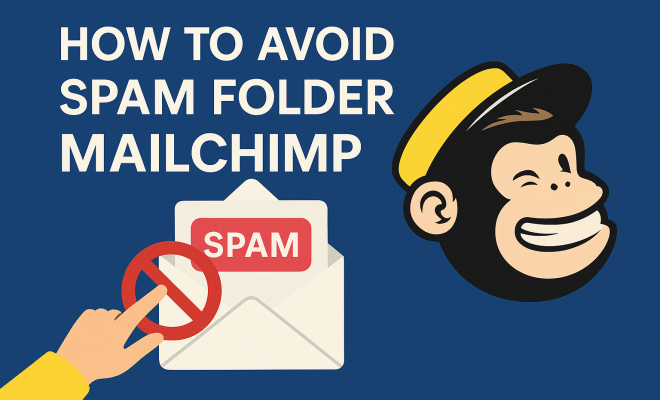
Ever poured your heart and soul into crafting the perfect email campaign, only to see dismal open rates? You’re not alone. The frustrating reality for many businesses and creators using platforms like Mailchimp is that their meticulously designed messages often vanish into the digital void: the spam folder. It’s a disheartening experience, akin to shouting into a hurricane, and it can cripple your marketing efforts.
Getting your emails delivered to the inbox, not the spam folder, is a constant battle against sophisticated algorithms and ever-evolving spam filters. These filters are designed to protect recipients from unwanted junk, but sometimes, legitimate messages get caught in the crossfire. For anyone relying on email marketing, especially with a robust tool like Mailchimp, understanding how to navigate this landscape is paramount. We’re going to break down the most critical factors that determine whether your emails make it to the primary inbox or are relegated to spam, focusing specifically on how you can proactively avoid spam folder Mailchimp issues.
It’s not just about what you say, but how you say it, who you’re saying it to, and the technical underpinnings of your email infrastructure. Let’s dig into the common pitfalls and, more importantly, the actionable strategies you can implement right now to ensure your Mailchimp campaigns land where they belong: directly in your subscribers’ inboxes.
1. Neglecting Your Sender Authentication: The Trust Factor
Think of sender authentication as your email’s passport and visa. Without proper authentication, internet service providers (ISPs) like Gmail, Outlook, and Yahoo have no way of verifying that you are who you say you are. This immediately raises a red flag, making your emails look suspicious, and significantly increasing the chances they’ll be routed to the spam folder. It’s one of the most fundamental steps to avoid spam folder Mailchimp issues, yet it’s often overlooked.
Mailchimp strongly recommends setting up two key authentication protocols: SPF (Sender Policy Framework) and DKIM (DomainKeys Identified Mail). SPF allows receiving mail servers to check if an email claiming to come from your domain is sent from an IP address authorized by your domain’s administrator. DKIM, on the other hand, adds a digital signature to your outgoing emails, which receiving servers can use to verify that the email hasn’t been tampered with in transit and that it genuinely originated from your domain. Both work in tandem to build a reputation of trustworthiness for your sending domain.
Setting this up involves adding specific records to your domain’s DNS settings, a process typically managed through your domain registrar (like GoDaddy, Namecheap, etc.). Mailchimp provides clear, step-by-step instructions for this. While it might sound technical, it’s a one-time setup that pays dividends in deliverability. Without these foundational layers of trust, even the most perfectly crafted email can fall victim to the spam folder, regardless of your content or audience engagement.
2. Ignoring List Hygiene: The Quality of Your Audience
Your email list isn’t just a collection of addresses; it’s a living, breathing entity that reflects the health and engagement of your audience. Sending emails to outdated, unengaged, or spam trap-riddled lists is a surefire way to damage your sender reputation and send your future Mailchimp campaigns straight to spam. ISPs monitor how recipients interact with your emails – if they consistently don’t open them, mark them as spam, or if too many bounce, your reputation takes a hit.
Regularly cleaning your list is non-negotiable. This means removing inactive subscribers who haven’t opened or clicked an email in a long time (say, 6-12 months). Mailchimp offers tools to help identify these segments, and you can even try a re-engagement campaign before fully unsubscribing them. Also, pay close attention to bounce rates. Hard bounces (permanent delivery failures) indicate invalid email addresses and should be removed immediately. Mailchimp automatically handles some of this, but you should still review your reports.
Furthermore, never purchase email lists. These lists are notorious for containing spam traps – email addresses specifically set up by ISPs to catch spammers. Hitting even a few of these can severely blacklisting your sending domain. Always prioritize organic list growth through opt-ins, ensuring every subscriber genuinely wants to receive your content. A smaller, highly engaged list is infinitely more valuable than a massive, unengaged one when you’re trying to avoid spam folder Mailchimp woes.
3. Crafting Spam Triggering Content: The Words You Choose
Spam filters are incredibly sophisticated, analyzing not just sender reputation but also the actual content of your email. Certain words, phrases, formatting choices, and even image-to-text ratios can trigger these filters, sending your message directly to the junk folder. It’s a delicate balance between conveying your message effectively and avoiding the linguistic tripwires that signal spam.
Be wary of classic ‘spammy’ language: excessive use of all caps, multiple exclamation points (!!!), dollar signs ($$$), and phrases like “FREE!,” “Act Now!,” “Limited Time Offer,” “No Obligation,” or “Earn Money Fast.” While these might seem like compelling marketing copy, they’re red flags for filters. Similarly, avoid overly aggressive sales pitches. Focus on providing value, solving problems, and building relationships rather than just pushing products.
Beyond words, consider your formatting. Emails that are entirely one large image with little to no text are often flagged, as are emails with broken HTML or suspicious-looking links. Aim for a healthy image-to-text ratio, ensuring your message is clear and accessible even if images don’t load. Always test your emails before sending them to a large audience. Mailchimp’s inbox preview tools can give you an idea of how your email renders across different clients, but a real-world test to a few different email addresses (Gmail, Outlook, etc.) is even better for spotting potential content-based triggers. (See: Email marketing best practices.)
4. Poor Subject Line Practices: Your Email’s First Impression
The subject line is the gatekeeper to your email. It’s the first thing recipients see, and it plays a huge role in whether they open your email or mark it as spam. A poorly constructed or misleading subject line can damage your open rates, increase spam complaints, and ultimately harm your sender reputation, making it harder to avoid spam folder Mailchimp issues in the future.
Avoid deceptive subject lines that promise one thing but deliver another. For example, a subject line like “RE: Your Order” when there’s no order will annoy recipients and likely lead to spam complaints. Similarly, steer clear of clickbait-y or overly sensational language. While you want to grab attention, you need to do so authentically. Personalization, where appropriate, can significantly boost open rates and engagement. Including the recipient’s name, for instance, makes the email feel more tailored and less like a mass broadcast.
Keep your subject lines concise and to the point, typically under 50 characters, as many email clients truncate longer ones. Use emojis judiciously; a single, relevant emoji can add personality, but too many can look unprofessional or spammy. And, critically, avoid the spam trigger words and excessive punctuation mentioned earlier. A compelling, honest, and concise subject line is your best bet for getting that initial open and setting a positive tone for your email’s journey.
5. Lack of Engagement: The Unopened Mail Syndrome
Email engagement is a critical metric that ISPs pay close attention to. If your emails consistently go unopened, or if a significant portion of your subscribers rarely interact with your content, it signals to spam filters that your messages might not be desired. This lack of engagement can quickly erode your sender reputation, making it increasingly difficult to avoid spam folder Mailchimp issues.
To boost engagement, focus on delivering value in every email. Ask yourself: Is this content relevant to my audience? Does it solve a problem, entertain, or inform? Segmenting your audience based on interests, past purchases, or engagement levels allows you to send more targeted, relevant content. For example, if you have a segment of subscribers who only ever click on blog posts about gardening, don’t send them product promotions for car parts.
Encourage interaction through clear calls to action (CTAs). Ask questions, invite replies, or direct them to valuable resources on your website. Regularly monitor your open and click-through rates within Mailchimp. If these metrics are consistently low for certain segments, it’s a strong indicator that those subscribers are disengaged. Consider running re-engagement campaigns for these inactive users, and if they still don’t respond, it’s often better to remove them from your list to protect your overall sender reputation.
6. Missing or Obscure Unsubscribe Options: The Right to Opt-Out
This is a big one. Every marketing email you send, especially through a platform like Mailchimp, legally and ethically *must* include a clear, easy-to-find unsubscribe link. Trying to hide this option or make it difficult for recipients to opt out is not only against best practices but can also lead to severe penalties and, more immediately, a swift trip to the spam folder.
When recipients can’t easily unsubscribe, their next course of action is often to mark your email as spam. A single spam complaint carries far more weight than an unsubscribe request in the eyes of an ISP. Too many spam complaints will quickly tank your sender reputation, leading to deliverability issues across the board. Mailchimp automatically includes an unsubscribe link in the footer of your campaigns, and you should never attempt to remove or obscure it.
Embrace unsubscribes as a healthy part of list management. It means you’re shedding unengaged subscribers, which, as we discussed, actually helps your overall sender reputation. A smaller, engaged list that freely unsubscribes when they’re no longer interested is far better than a large list full of people who resent your emails and are just waiting to hit that spam button. Make it easy for people to leave, and they’ll be less likely to complain.
7. Inconsistent Sending Schedule & Volume: Atypical Behavior
Spam filters are always on the lookout for anomalous sending patterns. If your domain typically sends a few hundred emails a week and then suddenly blasts out tens of thousands, that dramatic spike in volume can trigger suspicion. Similarly, if you send emails sporadically, with long periods of silence followed by a burst of activity, it can also raise red flags. ISPs prefer consistent, predictable sending behavior, as it suggests you’re a legitimate sender, not a spambot.
Establishing a regular sending schedule, even if it’s just once a week or bi-weekly, helps build a consistent sending reputation. If you need to ramp up your sending volume, do it gradually, a process often referred to as ‘warming up’ your IP address and domain. Mailchimp, as a shared IP sender, manages much of the IP reputation for you, but your domain’s reputation is still paramount. Sudden, large-scale campaigns without prior consistent sending can still lead to deliverability issues for your specific domain.
Furthermore, avoid sending emails at unusual times if your audience isn’t typically active then. While this might not directly cause spam flagging, it can lead to lower open rates, which, as we’ve covered, indirectly signals to ISPs that your emails are unwanted. Consistency in both volume and timing helps establish a trustworthy pattern, which is crucial if you want to avoid spam folder Mailchimp issues.
8. Ignoring Mailchimp’s Advice and Reports: Your Built-in Guardian
Mailchimp isn’t just an email sending platform; it’s a sophisticated marketing tool packed with features and insights designed to help you succeed. One of its most valuable aspects is the detailed reporting and advice it offers regarding your email campaigns. Ignoring these resources is like having a seasoned guide and refusing to listen to their warnings. (See: Email marketing tips from The New York Times.)
Pay close attention to your campaign reports. Mailchimp provides data on open rates, click-through rates, bounce rates, and, critically, spam complaints. A high bounce rate indicates list hygiene issues, while a sudden spike in spam complaints is a clear sign that something in your recent campaigns or list management needs urgent attention. Mailchimp also often provides personalized recommendations or warnings if it detects potential issues that could impact your deliverability.
Additionally, Mailchimp offers a wealth of knowledge base articles and support resources specifically tailored to deliverability. If you’re struggling to avoid spam folder Mailchimp issues, leverage these resources. They often have the most up-to-date information on best practices and platform-specific quirks. Don’t just send and forget; actively monitor your performance and use Mailchimp’s analytics to continuously refine your strategy and improve your sender reputation.
9. The Role of Preheaders and Preview Text: A Sneak Peek
You know the subject line is crucial, but right after it, or sometimes even integrated with it, is the preheader text (also known as preview text). This short snippet of text is your second chance to grab attention and provide context before the recipient even opens your email. Many marketers overlook this valuable real estate, letting email clients pull the first line of their email content, which might not always be compelling or relevant.
A well-crafted preheader works hand-in-hand with your subject line to create a powerful one-two punch. Think of it as a mini-summary or an enticing call to action that complements the subject. For instance, if your subject line is “Your Monthly Newsletter is Here!”, your preheader could be “See our top tips for productivity and exclusive subscriber discounts inside.” This gives recipients a clearer idea of the value waiting for them.
Mailchimp allows you to easily customize your preheader text. Take advantage of it! Use it to expand on your subject line, offer a benefit, or create a sense of urgency. Just like subject lines, avoid spammy language and excessive punctuation. A compelling preheader can significantly influence open rates, which, as we’ve discussed, directly impacts your engagement metrics and overall sender reputation. Don’t leave this crucial element to chance.
10. Understanding IP Reputation vs. Domain Reputation: A Dual Threat
When we talk about sender reputation, it’s actually a bit more nuanced than a single score. ISPs assess two main components: your IP reputation and your domain reputation. While Mailchimp handles a lot of the IP reputation management for you (since you’re sending from their shared IPs), your domain’s reputation is entirely yours to build and protect. Understanding this distinction is key to truly grasping how to avoid spam folder Mailchimp problems.
IP Reputation: This is tied to the specific server IP address from which your emails are sent. Mailchimp, as a large email service provider, uses shared IP addresses. They work hard to maintain a high reputation for these IPs across all their users. However, if a few bad actors on a shared IP start sending spam, it can temporarily affect others on that same IP. This is why Mailchimp has strict acceptable use policies to prevent abuse and protect their collective IP reputation.
Domain Reputation: This is tied specifically to your sending domain (e.g., yourcompany.com). It’s built over time based on your specific sending practices: how often your emails are opened, clicked, marked as spam, unsubscribed from, and bounced. Even with Mailchimp’s strong IP reputation, a poor domain reputation (due to bad content, an unengaged list, or lack of authentication) can still land your emails in spam. This is why setting up SPF and DKIM for your domain is so critical – it clearly tells ISPs, “This email truly came from this domain, and we vouch for it.”
Your goal is to maintain excellent domain hygiene. This means consistent authentication, careful list management, valuable content, and encouraging high engagement. While Mailchimp shoulders the burden of IP reputation, your domain’s health is your responsibility, and it’s where most of your proactive efforts should be focused.
11. Mobile Optimization: The Modern Reader’s Expectation
In today’s world, a significant percentage of emails are opened on mobile devices. If your Mailchimp campaigns aren’t optimized for mobile, you’re not just missing an opportunity; you’re actively creating a poor user experience that can lead to lower engagement and, yes, even spam complaints. An email that’s hard to read, navigate, or interact with on a phone is an email that’s quickly deleted or marked as junk.
Mailchimp’s templates are generally responsive, meaning they adapt to different screen sizes. However, you still need to design with mobile in mind. This includes:
- Single-column layouts: Easier to scroll and read on smaller screens.
- Large, legible fonts: Don’t make people pinch and zoom.
- Clear, tappable buttons: Small links are frustrating on touchscreens.
- Optimized images: Large image files can slow loading times on mobile data, leading to abandonment.
- Concise copy: People tend to skim more on mobile. Get to the point quickly.
Always use Mailchimp’s preview mode to check how your email looks on various devices. Better yet, send a test email to your own phone and other team members’ phones. A seamless mobile experience encourages opens, clicks, and positive interaction, all of which contribute positively to your sender reputation and help you avoid spam folder Mailchimp issues. (See: Research on email deliverability.)
Frequently Asked Questions (FAQs) on Avoiding Mailchimp Spam Folders
Getting your emails into the inbox can feel like a dark art, but with the right practices, it’s entirely achievable. Here are some common questions people ask about Mailchimp deliverability:
Q1: Can using a custom email address (e.g., [email protected]) instead of a generic one (like Gmail) help with deliverability?
Absolutely, yes! Sending from a custom domain email address is a professional best practice and significantly boosts your sender reputation. It allows you to implement critical authentication protocols like SPF and DKIM (which you can’t do with a generic email like @gmail.com), verifying your identity and building trust with ISPs. Generic email addresses are more prone to being flagged by spam filters because they’re often used by spammers.
Q2: What’s the ideal image-to-text ratio for emails to avoid spam filters?
There’s no single “magic number,” but a good rule of thumb is to have a healthy balance. Emails that are almost entirely one large image with very little text are highly suspicious to spam filters. Filters can’t “read” images, so they see a blank email and assume it’s trying to hide something. Aim for at least 60-70% text and 30-40% images. Ensure your key message and calls to action are in text, not just embedded in an image. This also helps with accessibility.
Q3: How often should I clean my Mailchimp list?
Regularly! It’s not a one-time task. You should be continuously monitoring your list health. A good schedule would be to do a deeper scrub of inactive subscribers every 3-6 months. For hard bounces, Mailchimp automatically handles some removal, but you should still review your reports monthly to catch anything missed and understand trends. Keeping a clean list is an ongoing process that directly impacts your sender reputation.
Q4: My emails are going to spam, but my Mailchimp reports look fine. What could be wrong?
This can be tricky! Even if Mailchimp’s internal reports show good open rates, individual ISPs might be treating your emails differently. Here are a few possibilities:
- Specific ISP Issues: Your emails might be fine for Gmail users but going to spam for Outlook or Yahoo. Test sending to multiple email clients.
- Recipient-Specific Filters: Individual users might have aggressive personal spam filters or have previously marked your emails as spam.
- Hidden Spam Complaints: Some ISPs don’t report all spam complaints back to Mailchimp in real-time.
- Content-Based Triggers: Your content might contain subtle triggers that are caught by some filters but not others. Review common spam trigger words and formatting.
- Authentication Glitches: Double-check your SPF and DKIM settings. A small error can cause big problems.
If you’re seeing this, try sending a simplified text-only email to a few different test addresses to see if it lands. This can help isolate if the issue is content-related.
Q5: Is it better to send fewer, high-quality emails or more frequent, shorter ones?
Quality always trumps quantity. The best approach is to find a sending frequency that your audience expects and appreciates. If you send too often, you risk annoyance and unsubscribes. Too infrequently, and they might forget who you are. Focus on providing value with every send. If you have genuinely valuable content to share daily, great! If not, a weekly or bi-weekly email packed with useful information will perform better and build a stronger relationship than daily fluff. Consistency in value and schedule is key.
Successfully navigating the complexities of email deliverability with Mailchimp requires a holistic approach. It’s not just about one magic trick, but a consistent application of best practices across authentication, list management, content creation, and engagement. By focusing on these eleven critical areas, you’ll significantly improve your chances of landing in the inbox, ensuring your message gets seen, and your marketing efforts yield the results they deserve.
Trending Now
Frequently Asked Questions
How do I prevent my Mailchimp emails from going to spam?
To prevent your Mailchimp emails from going to spam, ensure proper sender authentication, maintain a clean email list, avoid spammy language, and engage your audience with relevant content. Monitoring your campaign metrics will also help you identify potential issues.
What causes emails to go to spam in Mailchimp?
Emails can go to spam in Mailchimp due to poor sender reputation, lack of authentication, high bounce rates, spammy content, or sending to unengaged subscribers. It's crucial to address these factors to improve deliverability.
How can I improve my email deliverability with Mailchimp?
Improving email deliverability with Mailchimp involves authenticating your sender domain, cleaning your email list regularly, using a consistent sending schedule, and creating engaging content that resonates with your audience.
What is sender authentication in Mailchimp?
Sender authentication in Mailchimp involves verifying your email domain to prove your identity to ISPs. It helps prevent your emails from being marked as spam, enhancing deliverability and building trust with your subscribers.
Can I check if my emails are going to spam in Mailchimp?
Yes, you can check if your emails are going to spam in Mailchimp by monitoring your campaign reports for open rates, click rates, and bounce rates. Low engagement metrics may indicate issues with deliverability.
What did we miss? Let us know in the comments and join the conversation.