10 Essential Tips to Help Your Cat Lose Weight Safely
“`html
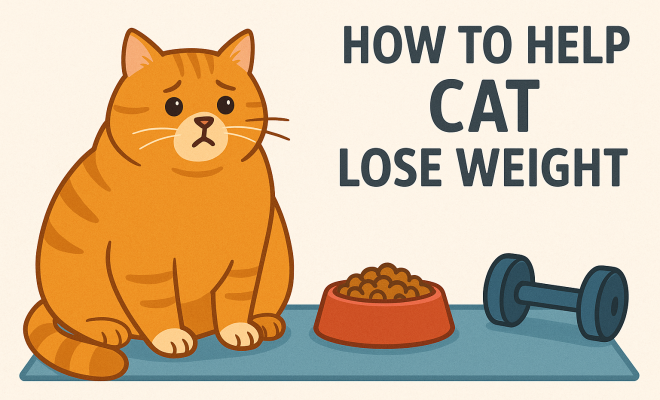
Helping your cat lose weight can be a challenging yet rewarding journey. Obesity in cats is a growing concern, affecting their overall health, mobility, and lifespan. If you’ve noticed that your furry friend is carrying a few extra pounds, you’re not alone. Many pet owners struggle with ensuring their cat maintains a healthy weight. To support you, we’ve compiled a comprehensive guide featuring 10 essential cat weight loss tips that will help your pet shed those pounds safely and effectively.
1. Understand the Importance of Cat Weight Management
First and foremost, understanding why weight management is crucial for your cat’s health is essential. Obesity can lead to various health issues, including diabetes, arthritis, and heart disease. According to a study by the Association for Pet Obesity Prevention, over 60% of cats in the United States are classified as overweight or obese. This staggering statistic highlights the need for pet owners to take proactive steps in maintaining their cat’s weight.
Moreover, excess weight can negatively impact your cat’s quality of life, making it more difficult for them to engage in physical activities, groom themselves, and even play. A weight management plan will not only improve your cat’s health but also enhance their overall well-being and happiness.
2. Consult Your Veterinarian
Before starting any weight loss program for your cat, a visit to the veterinarian is crucial. Your vet can assess your cat’s current health status, evaluate their weight, and give you a target weight to aim for. They can also help determine if there are any underlying health conditions contributing to your cat’s weight gain.
During this consultation, ask about appropriate diets and feeding schedules. Your vet may recommend specific cat food formulated for weight loss, which can be beneficial due to lower calorie content while still providing essential nutrients. Tailoring a plan with professional guidance will set a solid foundation for your cat’s weight loss journey.
3. Monitor Caloric Intake
One of the most effective cat weight loss tips is to monitor your cat’s caloric intake closely. Just like humans, cats gain weight by consuming more calories than they burn. The average adult cat requires about 20 calories per pound of body weight to maintain their current weight. For weight loss, that number should be reduced by about 20%.
To manage calorie intake, start by measuring your cat’s food. Use a kitchen scale or measuring cup to ensure they receive the correct portion sizes. Many pet food brands provide guidelines on feeding amounts based on the cat’s weight, which can serve as a helpful reference. Staying consistent with measurements will allow for a more accurate assessment of how your cat is progressing.
4. Choose the Right Cat Food
Selecting the appropriate cat food is pivotal for weight loss. Many cat owners mistakenly believe that all cat food is created equal. However, some foods are high in fillers and low in nutrients, which can contribute to weight gain. Look for foods that list high-quality protein sources as the first ingredient and avoid those with excessive carbohydrates.
Consider switching to a weight management formula that is specifically designed for overweight cats. These formulas typically contain fewer calories and more fiber to help your cat feel full without overeating. Always transition your cat to a new food gradually over a week or so to prevent digestive issues.
5. Establish a Feeding Schedule
Feeding your cat on a regular schedule can prevent overeating and help regulate their appetite. Instead of free-feeding, where food is always available, establish specific meal times. This approach allows you to control how much your cat eats and can help them learn when to expect food.
Consider splitting their daily food allowance into smaller meals throughout the day—typically two to four meals. This method can prevent hunger and reduce begging behaviors, making it easier for your cat to adjust to their new eating habits.
6. Incorporate Playtime and Exercise
While dietary changes are crucial, increasing your cat’s physical activity is equally important. Regular playtime not only helps with weight loss but also strengthens your bond with your furry friend. Interactive toys, such as feather wands or laser pointers, encourage your cat to be active and engage in natural hunting behaviors.
Consider creating a play routine, aiming for at least 15-30 minutes of active playtime each day. This can be broken into shorter sessions if needed. Additionally, introducing climbing structures or scratching posts can promote exercise as cats enjoy climbing and exploring their environment. (See: CDC on obesity causes.)
7. Utilize Food Puzzles and Toys
Food puzzles and special feeding toys can make mealtime more engaging while promoting exercise. These toys require your cat to work for their food, providing mental stimulation and physical activity. This method not only helps reduce boredom but also allows for slower eating, which can prevent overeating.
When selecting food puzzles, ensure they are appropriate for your cat’s skill level. Start with simpler designs and gradually introduce more challenging options as your cat becomes proficient. These interactive toys can also serve as a great distraction, reducing begging behaviors and increasing your cat’s overall activity level.
8. Track Progress and Adjust as Needed
Monitoring your cat’s weight loss progress is vital for achieving your goals. Weigh your cat regularly—ideally once a week—to track changes and adjust their diet or activity levels as needed. A weight loss of about 1-2% of their body weight per week is considered healthy.
If your cat isn’t losing weight as expected, reassess their diet and exercise regimen. You may need to adjust portion sizes or increase their physical activity. Consulting with your veterinarian during this process is advisable to ensure your cat remains healthy throughout their weight loss journey.
9. Be Patient and Consistent
Weight loss takes time, and it’s vital to remain patient and consistent throughout the process. Cats can be particularly sensitive to sudden changes, so gradual adjustments to their diet and lifestyle are more effective and less stressful. Celebrate small victories along the way, such as fitting into that favorite collar or increased activity levels.
Additionally, it’s essential to avoid extreme dieting methods, as rapid weight loss can cause serious health issues like hepatic lipidosis. Focus on sustainable lifestyle changes that will help your cat maintain a healthy weight long-term.
10. Emphasize Health Over Appearance
Finally, remember that the primary goal is your cat’s health, not just aesthetics. While it’s natural to desire a trim-looking cat, the focus should remain on their overall well-being. Regular vet check-ups, a balanced diet, and a safe, stimulating environment will contribute to a happier, healthier cat.
By prioritizing health over appearance, you’ll create a positive atmosphere for your cat’s weight loss journey. This approach fosters a loving and supportive environment that encourages both you and your cat to adopt healthier lifestyles.
11. Understand Your Cat’s Unique Needs
Every cat is different; they all have unique needs and preferences that can affect their weight loss journey. Factors such as age, breed, activity level, and health conditions can influence how much weight your cat should lose and how quickly it can happen. For example, senior cats may require a different approach compared to younger, more active cats.
It’s important to tailor your weight loss strategy to your cat’s specific circumstances. Certain breeds, like Maine Coons or Ragdolls, may be prone to obesity, while others, like Siamese, tend to be more active. Your veterinarian can help you understand your cat’s particular needs and adjust your weight loss strategy accordingly.
12. Consider Hydration
Staying hydrated is vital for your cat’s overall health, and it can actually aid in weight loss. Cats are often prone to urinary tract problems, and obesity can exacerbate these issues. Ensure your cat has constant access to fresh, clean water. Some cats prefer running water, so consider a cat water fountain to encourage drinking.
Also, incorporating wet food into your cat’s diet can increase their water intake. Wet food generally has a higher moisture content than dry kibble and can help keep your cat hydrated while also contributing to their overall calorie intake. Keeping track of both food and water can aid in a more comprehensive weight loss approach.
13. Involve the Family
Weight loss should be a team effort. Involving all family members in the weight loss journey not only helps create a supportive environment for your cat but also ensures that everyone is on the same page regarding feeding and activity levels. Educate your family about the importance of following the established feeding schedule and engaging in playtime.
Try to create interactive family play sessions. This not only enhances bonding with your cat but can also lead to consistent exercise. You can rotate who plays with the cat each day, keeping the experience fresh and stimulating for your pet.
14. Watch for Weight Loss Plateaus
It’s common for cats to hit a weight loss plateau during their journey. If you notice that your cat stops losing weight despite sticking to the plan, it may be time to reassess their diet or activity levels. Sometimes, simply changing the type of food or varying the exercise routine can stimulate weight loss again.
Additionally, consult your vet if weight loss stagnates. They may suggest changing the calorie intake or exploring other underlying health issues that could be impacting your cat’s ability to lose weight. Understanding that plateaus are part of the process can help you remain patient while working towards your cat’s health goals.
15. Behavioral Considerations
Understanding your cat’s behaviors can greatly aid in their weight loss journey. Some cats eat out of boredom, stress, or anxiety. Addressing these underlying issues can be as crucial as dietary changes. Providing a clean, stimulating environment with plenty of toys and safe spaces can help reduce stress-related eating.
Additionally, consider using positive reinforcement techniques to encourage healthy behaviors. Reward your cat for engaging in play or sticking to the new feeding routine. This approach not only promotes a better relationship but also encourages the desired weight management behaviors.
16. Supplement Wisely
Some cats may benefit from dietary supplements during their weight loss journey, but this should always be done under veterinary supervision. Supplements like Omega-3 fatty acids can support healthy joints, which is particularly important for overweight cats. Others may help with metabolism or appetite control.
Discuss potential supplements with your vet to understand their benefits and risks. They can help you determine if your cat could benefit from additional support during their weight loss journey.
17. FAQs about Cat Weight Loss
What are the main causes of obesity in cats?
Obesity in cats can stem from a variety of factors, including overfeeding, lack of exercise, age, and certain medical conditions. Indoor cats are often at a higher risk because they may not get as much physical activity compared to outdoor cats.
How can I tell if my cat is overweight?
A good indicator of whether your cat is overweight is by checking their body condition score (BCS). You should be able to feel their ribs without excess fat covering and see a slight waist when viewed from above. If you’re unsure, consult your veterinarian for an assessment.
How long does it take for a cat to lose weight?
Weight loss can vary based on the cat and how much weight they need to lose. A healthy rate of weight loss is about 1-2% of their body weight per week. Most cats will show results within a few weeks, but it’s important to remain patient and consistent.
Can I just put my cat on a diet food to help with weight loss?
While diet foods can be helpful, they should be part of a larger plan that includes proper portion control and increased activity. Simply switching to diet food without monitoring other factors may not be effective.
What should I do if my cat refuses to eat less?
If your cat resists eating less, consider consulting your vet for alternative feeding strategies, such as using smaller portions more frequently or switching to a more appealing low-calorie food. Always ensure that changes are gradual to avoid stress.
18. Understanding Cat Nutrition Labels
Reading and understanding cat food labels can help you make informed decisions about your cat’s diet. Look for high-quality protein sources and minimal fillers. Ingredients are listed in order, so the first few should ideally contain real meat or fish. Avoid foods with corn, wheat, or soy as the primary ingredients, as these are often used as fillers and do not provide the necessary nutrients.
Pay attention to the guaranteed analysis section, which shows the percentage of protein, fat, fiber, and moisture. A higher protein content is generally beneficial for weight loss since it helps cats feel full. A good rule of thumb is to seek out foods that have at least 30% protein and lower fat content for weight management.
19. Utilizing Technology for Monitoring
In today’s digital age, there are numerous tools and apps available to help monitor your cat’s weight and activity levels. Some smart feeders can track how much food your cat eats, while activity trackers designed for pets can help you keep tabs on their exercise. These technologies can provide insight into your cat’s habits and assist in making necessary adjustments to their weight loss plan.
Utilizing these tools can keep you more accountable and engaged in your cat’s weight loss journey. If you find that your cat is not as active as you thought, you can take steps to change that, like increasing playtime or providing more stimulating environments.
20. Exploring Alternative Diets
Though traditional cat food is the most common option, some owners explore alternative diets for their cats, such as raw or home-cooked meals. If you’re considering these options, it’s vital to consult with your veterinarian to ensure that your cat receives a balanced diet that meets their nutritional needs. Homemade diets can be challenging to balance correctly, so professional guidance is essential.
Raw food diets have gained popularity in recent years. Proponents claim these diets can lead to weight loss and improved health due to the absence of fillers and enhanced digestibility. However, raw diets can come with risks, such as bacterial contamination. Always weigh the pros and cons and discuss with your vet before making any drastic dietary changes.
21. Setting Realistic Goals
Setting realistic weight loss goals is crucial for both you and your cat. Aiming for a slow and steady weight loss is often more successful and sustainable than attempting rapid weight loss. For example, if your cat needs to lose five pounds, setting a goal of losing half a pound a week is much more achievable than one pound a week. Celebrate the small wins along the way to keep both you and your cat motivated.
22. Examining Feeding Techniques
How you feed your cat can also play a role in their weight loss success. Some pet owners find success with techniques like feeding smaller, more frequent meals to keep their cat satisfied throughout the day. Others might choose to implement food portioning and rewarding play sessions with small amounts of treats to avoid overfeeding. Experiment with different techniques to see what works best for your cat.
23. Environmental Enrichment for Weight Loss
Creating a stimulating environment can greatly enhance your cat’s engagement in physical activities. Consider providing a variety of toys that encourage exploration and play. Rotate these toys regularly so that they remain interesting for your cat. You might also want to invest in cat trees or tunnels that allow your cat to climb and explore, which can contribute to weight loss by keeping them active.
24. Conclusion
In conclusion, following these cat weight loss tips can lead to a successful transformation for your furry friend. By adopting a holistic approach that combines dietary changes with physical activity and regular tracking, you’re setting your cat up for a healthier and longer life. Stay consistent, be patient, and enjoy the journey with your beloved pet!
“`
Trending Now
Frequently Asked Questions
What are the best ways to help my cat lose weight?
The best ways to help your cat lose weight include understanding the importance of weight management, consulting your veterinarian for a tailored plan, providing appropriate diets, establishing a feeding schedule, and encouraging regular exercise through play and interaction.
How can I tell if my cat is overweight?
You can tell if your cat is overweight by checking their body condition score, which includes assessing their waistline, feeling for ribs, and observing their overall energy levels. If you notice excessive weight or difficulty in mobility, it's advisable to consult your veterinarian.
Is it safe for cats to go on a diet?
Yes, it is safe for cats to go on a diet, but it should be done under veterinary guidance. A vet can recommend a weight loss plan that includes a balanced diet and appropriate calorie intake to ensure your cat loses weight safely and effectively.
What should I feed my overweight cat?
For overweight cats, it's best to feed them a diet specifically formulated for weight loss. These foods are lower in calories but still provide essential nutrients. Consult your veterinarian for recommendations on the best food options and portion sizes.
How much exercise does my cat need to lose weight?
Cats typically need at least 20-30 minutes of playtime each day to help them lose weight. Engage your cat with toys, interactive games, and climbing structures to encourage physical activity and promote a healthier lifestyle.
What did we miss? Let us know in the comments and join the conversation.