Master Lawn Striping: Create Stunning Yard Stripes
“`html
Lawn care enthusiasts and homeowners alike often seek that polished, professional appearance for their lawns. Achieving that beautiful striped effect isn’t just for golf courses or sports fields; with the right lawn striping techniques, you can turn your yard into a stunning showcase. Whether you’re preparing for a backyard barbecue or just want to impress the neighbors, understanding how to stripe your lawn can elevate its aesthetic appeal significantly. In this article, we’ll delve into the most effective methods to create those striking stripes, offering you practical insights and tips along the way.
1. Understanding Lawn Striping Mechanics
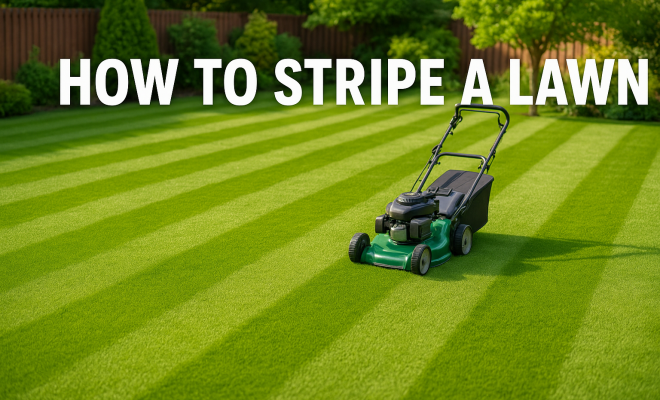
Before diving into the practical techniques, it’s essential to grasp the mechanics behind lawn striping. At its core, lawn striping involves the manipulation of light and grass blade orientation. When you bend grass blades in one direction, they reflect light differently than when they are bent in the opposite direction, creating the distinctive striped effect.
Typically, you achieve this effect with a lawn mower equipped with a striping kit or roller attachment. The kit works by physically bending the grass blades during the mowing process, which is why the method you choose can impact the quality and sharpness of your stripes. Understanding how to control this process is crucial to achieving the best results.
2. Essential Tools for Lawn Striping
To achieve effective lawn striping, having the right tools is paramount. Here are some essential items you should consider:
- Lawn Mower: A quality mower is fundamental. Ensure it has a robust engine and sharp blades for a clean cut.
- Striping Kit: Investing in a striping kit can enhance your mower’s capability. These kits generally attach to the rear of the mower and help bend the grass blades.
- Measuring Tape: For precise measurements and planning your stripe patterns, a measuring tape will come in handy.
- Rake: A rake can help prepare your lawn before mowing, ensuring an even surface that promotes the best striping.
Having the right tools not only facilitates the lawn striping process but also contributes to the overall health and aesthetics of your lawn.
3. Preparing Your Lawn
Preparation is key to achieving optimal results. Start by mowing your lawn to a uniform height, which is generally around 2.5 to 3 inches for most grass types. This height allows the grass to stand tall enough to facilitate striping while preventing it from becoming too dense or patchy.
Next, remove any debris, such as sticks or leaves, that may interfere with your mower’s movement. Clearing the lawn also ensures that you’re not mowing over hidden obstacles, which can damage both your mower and the grass. Lastly, consider the time of year; spring or early summer is often ideal for striping since the grass is actively growing.
4. Choosing the Right Striping Pattern
The beauty of lawn striping lies in the variety of patterns you can create. Common techniques include:
- Parallel Stripes: This is the most basic pattern, where you mow straight lines across the lawn, alternating the direction each time.
- Cross Stripes: For a more intricate look, you can mow in one direction and then re-mow in a perpendicular direction, creating a cross-hatch pattern.
- Circle Stripes: This pattern involves mowing concentric circles around a central point, which can create a visually stunning effect when done correctly.
Choosing a pattern depends on your preferences, the size of your lawn, and your skill level. Start with simpler patterns and gradually work your way up to more complex designs.
5. Executing the Striping Technique
Once you’ve prepared your lawn and decided on a pattern, it’s time to execute. Begin by mowing in one direction, ensuring that you keep a steady pace. A slow, consistent speed will help you maintain even pressure on the grass blades, which is vital for achieving that crisp stripe.
After mowing the first pass, turn around at the end of your strip and mow back in the opposite direction. This process bends the grass blades in the opposite direction, creating the contrasting stripes. Continue this pattern until you’ve covered the entire area. Remember, consistency in speed and pressure is key to achieving a polished look.
6. Maintenance: Keeping Your Stripes Sharp
Proper maintenance is just as crucial as the initial striping process. Regular mowing is essential for grass health and maintaining your stripes. Aim to mow once a week during peak growing seasons, keeping the mower blades sharp to ensure a clean cut. (See: CDC on lawn care and health.)
Additionally, consider using a lawn roller after mowing. This device can help flatten any uneven areas and enhance the striping effect by further bending the grass blades. Regularly aerating your lawn will also promote healthy growth and vibrant color, which contributes to maintaining those striking stripes.
7. Common Mistakes to Avoid
Even seasoned lawn care aficionados make mistakes when it comes to striping. Here are some common pitfalls to be aware of:
- Mowing Too Short: Cutting the grass too short can hinder its ability to stand up, diminishing the striping effect.
- Inconsistent Speed: Varying speeds can lead to uneven stripes and a professional appearance.
- Ignoring Lawn Health: Neglecting regular maintenance and proper care can damage your lawn and reduce the quality of your stripes.
By avoiding these mistakes and following proper techniques, you can ensure that your lawn maintains its stunning, striped look season after season.
8. Current Trends in Lawn Striping
The practice of lawn striping has evolved, with new trends emerging that reflect a shift towards aesthetic value and environmental sustainability. Many homeowners are now exploring eco-friendly techniques, using organic fertilizers and mowing practices that promote healthier grass while still allowing for striking patterns.
Additionally, technology has made its mark on lawn care. Smart mowers equipped with GPS can help automate the mowing process, ensuring consistent patterns and reducing labor. These advancements allow even the busiest homeowners to achieve professional-looking lawns without extensive time commitments.
9. Final Thoughts: The Art of Lawn Striping
Lawn striping is more than just a trend—it’s an art form that can transform a simple lawn into a visually captivating space. With the right lawn striping techniques, tools, and maintenance practices, anyone can create an inviting outdoor environment that is the envy of the neighborhood.
Whether you’re a seasoned lawn care expert or just starting, remember that practice makes perfect. Experiment with different patterns, stay consistent with your mowing schedule, and always prioritize your lawn’s health. Your efforts will pay off in the form of a lush, striped lawn that showcases your dedication and care.
10. Striping in Different Seasons
Each season presents its own challenges and opportunities for effective lawn striping. In spring, the grass is typically lush and growing aggressively, making it the ideal time to start your striping efforts. A well-maintained lawn will respond beautifully to striping at this time, allowing you to define clear patterns.
Summer can be trickier due to increased heat and potential drought. During this period, it’s important to mow at higher settings and ensure adequate watering to keep the grass healthy. Consider adjusting your striping pattern to accommodate for any browning or patchy areas that may arise during hot spells.
As fall approaches, the grass will start to slow down in growth. This is a great time to prepare for winter by utilizing striping techniques that may help your lawn stay healthier through colder months. Lowering the mower height slightly can help avoid grass diseases that thrive in overly high grass during winter.
Winter striping is not typically advisable, as most grasses go dormant. However, if you live in a warmer climate with some winter growth, you can experiment with light patterns to keep the landscape visually interesting.
11. Expert Perspectives on Lawn Striping
To gain more insight into lawn striping, we spoke with lawn care experts and professionals who shared their tips and experiences. According to John Green, a lawn care specialist, “The key to effective striping is understanding your grass type. Different varieties respond to mowing in unique ways.” He recommends researching your specific grass type to tailor your striping techniques effectively.
Mary Johnson, a landscape designer, emphasizes creativity in lawn striping. “Don’t be afraid to think outside the box—striping isn’t just about straight lines. Consider incorporating curves or more intricate designs that can set your lawn apart.” This advice encourages homeowners to personalize their lawns, making them not only attractive but also unique. (See: New York Times on lawn care.)
Both experts agree that patience and practice are essential. “If you don’t get it right the first time, keep trying. Lawn striping is as much an art as it is a science,” adds Green.
12. Comparing Lawn Striping Methods
There are various methods to achieve the lawn striping effect, and understanding their differences can help you choose the best approach for your yard. Here’s a comparison of some popular methods:
- Using a Striping Kit: Attaching a striping kit to your mower can produce vibrant patterns without needing extensive skill. These kits come in various designs and can significantly simplify the process.
- Hand-Striping Techniques: For those who want more control, hand-striping involves using a roller or similar tool after mowing to create stripes. This method requires more effort but can produce stunning, customized designs.
- Smart Mowers: Technology has introduced smart mowers that can follow predetermined paths, making it easier for anyone to achieve professional-looking stripes. The downside may be the higher cost and reliance on technology.
Evaluate your preferences, budget, and the size of your lawn when deciding which method works best for you. Each has its advantages, and experimenting with them can lead to the best results.
13. FAQs About Lawn Striping Techniques
What type of grass is best for lawn striping?
Generally, cool-season grasses like Kentucky bluegrass and fescue respond well to striping. Warm-season grasses like Bermuda and zoysia can also be striped effectively, but might require specific care to achieve the best results.
How often should I mow for optimal striping?
Mowing once a week during peak growth seasons is recommended. However, frequency may vary based on your grass type, climate, and personal preference for lawn height. Always prioritize mowing when the grass is dry for a cleaner cut.
Can I stripe my lawn without a striping kit?
Yes! While a striping kit makes the process easier, you can still create stripes by mowing in different directions. Additionally, using a heavy roller after mowing can help enhance the striping effect.
What are the best patterns for beginners?
Start with simple patterns like parallel stripes or checkerboards, which are easier to execute. As you gain confidence and skill, you can experiment with more complex designs like circles or waves.
Does lawn striping damage the grass?
When done correctly, lawn striping does not damage the grass. Just ensure to follow proper mowing heights and avoid cutting too low. Healthy grass can withstand the bending required for striping.
Can I stripe in the rain?
It’s best to avoid mowing in wet conditions, as this can lead to uneven cuts and damage the grass. Wait until your lawn is dry for optimal results.
How can I maintain my stripes throughout the season?
Keep up with regular mowing, adjust your mowing height as necessary, and consider using a roller after each mowing session to ensure your stripes remain defined and vibrant.
14. Advanced Lawn Striping Techniques
Once you’ve mastered the basics of lawn striping, you might be eager to explore more advanced techniques to take your lawn’s aesthetics to the next level. Here are some ideas:
- Diagonal Stripes: Instead of mowing parallel or perpendicular to your house, try mowing at a diagonal angle. This creates a fresh look and can make your lawn appear larger.
- Double Stripes: For a more dramatic effect, mow each stripe twice. This means going back over the same line you just cut, reinforcing the striping effect and making it more pronounced.
- Checkerboard Patterns: A popular choice for many, the checkerboard pattern involves alternating between stripes in two different directions. This technique can create a unique, upscale look that stands out.
- Using Color Variations: Some homeowners choose to use different grass types with varying shades of green to enhance the striping effect, creating a multidimensional look that adds depth to your lawn.
15. Environmental Considerations
As you embrace lawn striping techniques, it’s also important to consider the environmental impact of your lawn care practices. Here are some eco-friendly tips to keep your lawn healthy while achieving that striped look:
- Organic Lawn Care: Use organic fertilizers and pesticides to promote a healthy lawn without harmful chemicals that can leach into the soil and waterways.
- Mulching Mowers: Consider using a mulcher mower that returns clippings to the lawn. This practice not only provides nutrients but can also help in maintaining grass height and health.
- Water Conservation: Implement a smart irrigation system to reduce water usage. Be mindful of watering schedules and try to water early in the morning to minimize evaporation.
16. Seasonal Lawn Care Routine for Striping
Incorporating a seasonal lawn care routine can help you maintain your lawn’s health while enhancing its striped appearance. Here’s a breakdown of what to focus on throughout the year:
Spring:
In early spring, focus on aerating your lawn and applying a suitable fertilizer to promote growth. Begin mowing as soon as the grass starts to grow, and consider the first round of striping once the grass reaches appropriate heights.
Summer:
During the hotter months, raise your mower blade to prevent stress on the grass. Maintain good watering practices and be vigilant about pests or diseases. Continue to mow regularly and striping may need adjustments based on the grass’s health.
Fall:
As temperatures cool, prepare your lawn for winter by applying a slow-release fertilizer to strengthen the roots. Lower your mowing height slightly before winter dormancy, and consider overseeding to maintain density.
Winter:
In winter, focus on maintaining pathways and areas that experience heavy foot traffic. If you live in warmer regions, light mowing might still be possible, but aim for minimal disturbance to your dormant grass.
17. Conclusion: Embracing the Art of Lawn Striping
With these comprehensive insights into lawn striping techniques, you can now confidently tackle your lawn care projects. From basic to advanced methods, the possibilities for creating a stunning lawn are limited only by your creativity and willingness to experiment. Remember that lawn care is a journey, and even small improvements can lead to a beautiful outdoor space that enhances the beauty of your home.
As you get started, keep experimenting, stay informed about best practices, and always prioritize your lawn’s health and sustainability. Happy striping!
“`
Trending Now
Frequently Asked Questions
What tools do I need to stripe my lawn?
To effectively stripe your lawn, you'll need a quality lawn mower, a striping kit to help bend the grass blades, a measuring tape for planning your stripe patterns, and a rake for any necessary clean-up. These tools will ensure you achieve the best results while striping your yard.
How do lawn stripes work?
Lawn stripes work by manipulating the orientation of grass blades, which reflect light differently when bent in opposite directions. This effect is typically achieved using a lawn mower equipped with a striping kit or roller attachment that bends the grass during mowing.
Can I stripe my lawn without a striping kit?
While a striping kit enhances the striping effect, you can create stripes without one by using your mower to mow in alternating directions. However, the stripes may not be as pronounced or professional-looking without the kit's assistance in bending the grass blades effectively.
What is the best time to stripe my lawn?
The best time to stripe your lawn is during the growing season when the grass is healthy and lush. Early morning or late afternoon is ideal, as the grass is less stressed and more resilient, allowing for better bending and light reflection.
How can I maintain my lawn stripes?
To maintain your lawn stripes, mow regularly and keep your mower blades sharp for clean cuts. Additionally, alternating the mowing direction will help preserve the striped effect. Regular watering and fertilization will also promote healthy grass growth, enhancing the appearance of the stripes.
Agree or disagree? Drop a comment and tell us what you think.