Boost Performance: Your Guide to Cleaning a Throttle Body
“`html
When it comes to maintaining your vehicle, one aspect that often gets overlooked is the throttle body. A clean throttle body is crucial for optimal engine performance and fuel efficiency. In this comprehensive guide, we’ll delve into everything you need to know about how to clean your throttle body effectively, including the background, tools required, cleaning methods, and the signs that indicate it’s time for a thorough cleaning.
1. Understanding the Throttle Body
The throttle body acts as a gate between the air intake and the engine, regulating the amount of air that enters the combustion chamber. It plays a vital role in managing engine power and efficiency. When you press the accelerator, the throttle body opens to allow more air into the engine, which, in conjunction with the fuel, creates the combustion needed for your vehicle to run.
Owing to its critical role, any dirt or buildup inside the throttle body can negatively impact your vehicle’s performance. Over time, carbon deposits and grime can accumulate, leading to poor throttle response, reduced fuel efficiency, and even engine stalling. Therefore, keeping this component clean is essential for maintaining your vehicle’s health.
2. Signs That You Need to Clean Your Throttle Body
How can you tell it’s time for a cleaning? There are several indicators that suggest your throttle body might be due for a thorough cleaning:
- Rough Idling: If your vehicle’s engine is idling unevenly or feels like it’s struggling to maintain a steady pace, it could be a sign of a dirty throttle body.
- Poor Acceleration: If you notice a lag in responsiveness when you press the gas pedal, a buildup of carbon in the throttle body could be the culprit.
- Engine Stalling: In more severe cases, a dirty throttle body can lead to engine stalling, especially during low-speed maneuvers or when coming to a stop.
- Check Engine Light: If your dashboard warning light comes on, it might indicate an issue with the throttle body or related components.
Recognizing these signs early can save you from more significant repairs down the line. A clean throttle body not only enhances engine performance but also prolongs the lifespan of your vehicle.
3. Tools and Materials Needed to Clean the Throttle Body
Before you start the cleaning process, it’s important to gather all necessary tools and materials. Here’s what you’ll need:
- Throttle Body Cleaner: A specialized cleaner designed to break down carbon deposits and grime without damaging sensitive components.
- Screwdriver Set: Depending on your vehicle, you may need various screwdrivers to remove the throttle body.
- Rags or Shop Towels: Use these to wipe away debris and excess cleaner.
- Safety Glasses and Gloves: Protect your eyes and hands while working with chemicals and engine components.
- Flashlight: A flashlight can help you see into tight spaces when inspecting the throttle body.
Having these items on hand will streamline the cleaning process, allowing for a more efficient and effective job.
4. Preparing for the Cleaning Process
Before diving into the cleaning, preparation is key. Start by ensuring your vehicle is parked on a level surface and the engine is cool. Disconnecting the battery is advisable to prevent any electrical mishaps during the process.
Next, locate the throttle body; it’s usually positioned between the air intake and the engine. Remove any components blocking access to the throttle body, which may include air intake ducting or sensors. Keep track of the screws and other small parts for reassembly. (See: Throttle body overview on Wikipedia.)
Once you have a clear view of the throttle body, inspect it for any visible signs of damage or excessive wear. If everything looks good, you’re ready to start the cleaning process.
5. Cleaning the Throttle Body
Now that you’re prepped, it’s time to clean the throttle body. Follow these steps for an effective clean:
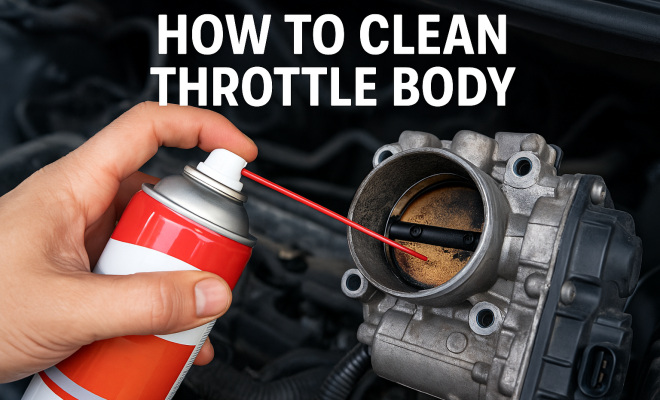
- Spray Cleaner: With the throttle body exposed, generously spray the throttle body cleaner onto the interior surfaces. Be careful not to spray too much into the air intake.
- Wipe Down: Using a rag or shop towel, wipe away the grime and carbon buildup. It’s often helpful to use a soft brush to dislodge stubborn deposits.
- Inspect and Repeat: After the initial cleaning, inspect the throttle body. If you see remaining deposits, repeat the spraying and wiping until it’s clean.
- Reassemble: Once clean, reattach any components you removed earlier, ensuring everything is secured properly.
Cleaning the throttle body doesn’t have to be a dreaded chore; with the right techniques, it can be quite straightforward.
6. Alternative Cleaning Methods
While the aforementioned method is effective, there are other approaches you might consider. Two popular alternatives include:
- Seafoam Treatment: Adding a Seafoam cleaner to the fuel system can help clean the throttle body over time as it runs through the engine.
- Professional Cleaning: If you’re uncomfortable cleaning it yourself or if the throttle body is severely dirty, consider having it professionally cleaned. Many shops have specialized equipment to thoroughly clean and inspect throttle bodies.
While DIY methods can yield great results, sometimes professional intervention is the best route to ensure complete cleanliness and proper functioning.
7. Maintenance Tips for a Clean Throttle Body
Once you’ve cleaned your throttle body, keeping it clean is essential for long-term performance. Here are some maintenance tips:
- Regular Inspections: Make a habit of checking your throttle body every few months or during routine maintenance checks to catch any buildup early.
- Use Quality Fuel: Opt for high-quality fuel with detergents that can help minimize deposits in the intake system.
- Avoid Prolonged Idling: Excessive idling can contribute to carbon buildup; try to avoid letting your engine run unnecessarily.
Incorporating these practices into your maintenance routine will help ensure your throttle body remains clean and your vehicle runs efficiently.
8. Current Relevance and Technologies in Throttle Body Cleaning
In recent years, advancements in automotive technology have led to more efficient engines that require less frequent throttle body cleaning. However, the need for thorough cleaning remains significant, especially in older models or vehicles that run primarily on lower-quality fuels.
Some newer vehicles are equipped with electronic throttle control systems, which may require specialized cleaning techniques. It’s essential to consult your vehicle’s manual or a professional to ensure you’re using the appropriate methods for your specific make and model. Additionally, there are now ultrasonic cleaning services available, which can effectively remove buildup without manual scrubbing.
9. Environmental Impact and Considerations
When cleaning a throttle body, it’s essential to be mindful of the environmental implications of the cleaning products you choose. Many commercial throttle body cleaners contain solvents that can have harmful effects on the environment if not disposed of correctly. Look for biodegradable options or those labeled as environmentally friendly to minimize impact. (See: Vehicle maintenance guidelines from NHTSA.)
Additionally, consider reusing materials like rags or shop towels when possible, and always follow local regulations for disposing of chemicals and automotive waste. By being conscientious about your cleaning practices, you contribute to a more sustainable approach to vehicle maintenance.
10. Throttle Body Cleaning: Myths vs. Facts
There are many misconceptions surrounding throttle body cleaning. Let’s debunk some common myths:
- Myth: Cleaning the throttle body is unnecessary for newer vehicles.
Fact: While newer vehicles may have better systems in place, carbon buildup can still occur, especially if low-quality fuels are used. - Myth: Throttle body cleaners can damage components.
Fact: If used correctly, reputable throttle body cleaners are safe for use. Always read instructions and use as directed. - Myth: You should clean the throttle body every oil change.
Fact: The frequency of cleaning depends on your driving habits, fuel quality, and vehicle age. Regular inspections can help determine the right timing.
Clearing up these myths can help car owners make informed decisions about their vehicle maintenance routines.
11. Common Questions About Throttle Body Cleaning
Q: How often should I clean my throttle body?
A: It depends on several factors including the type of fuel used, driving conditions, and vehicle age. Generally, inspecting it every 15,000 to 30,000 miles is a good practice.
Q: Can I clean the throttle body without removing it?
A: Yes, you can use a throttle body cleaner while the throttle body is still installed, although removing it allows for a more thorough cleaning. Use caution to avoid spraying cleaner into the intake manifold directly.
Q: What happens if I don’t clean my throttle body?
A: Neglecting throttle body maintenance can lead to decreased engine performance, poor fuel efficiency, increased emissions, and could eventually cause engine stalling or failure.
Q: Is professional cleaning worth it?
A: If you’re not comfortable doing it yourself or if the throttle body is heavily soiled, professional cleaning can save you time and ensure the job is done correctly.
Q: Can throttle body cleaning improve fuel economy?
A: Yes, a clean throttle body can improve airflow and fuel atomization, leading to better fuel economy and overall engine performance.
12. Cost Considerations for Throttle Body Cleaning
When considering a throttle body cleaning, the cost can vary significantly based on whether you choose to do it yourself or hire a professional. If you opt for a DIY approach, the cost of a throttle body cleaner is usually between $10 to $20, and you might spend a little more on tools if you don’t already have them. (See: Throttle body research on ScienceDirect.)
On the other hand, professional cleaning services can range from $50 to $150, depending on the shop’s labor rates and the complexity of the job. While it might seem like a worthwhile investment, make sure to weigh the potential benefits against the costs involved. Some shops may offer package deals that include other maintenance services, which can provide better overall value.
13. Long-term Effects of Neglecting Throttle Body Maintenance
Ignoring the cleanliness of your throttle body can lead to a host of problems down the road. For instance, residual carbon buildup can create imbalances in your air-fuel mixture, forcing the engine to work harder to compensate. This not only leads to increased wear and tear on engine components but also contributes to higher emissions, which can affect the environment and lead to penalties if your vehicle is subject to emissions testing.
Furthermore, a poorly functioning throttle body can also impact other components such as the fuel injectors and spark plugs. Over time, this can lead to more serious issues requiring costly repairs, such as replacing the entire throttle body assembly or other critical engine components. Regular cleaning and maintenance can help prevent these problems, ultimately saving you money in the long run.
14. Finding Quality Throttle Body Cleaners
With so many throttle body cleaners available on the market, it’s crucial to choose one that’s effective and safe for your vehicle. Look for products that are specifically formulated for throttle body cleaning, as they tend to be more effective at breaking down carbon deposits without damaging sensitive components.
Read customer reviews and do some research to find out which brands are reputable. Some popular names in the market include CRC, Berryman, and Gunk, each offering various formulations. Additionally, consider checking out forums or automotive communities for recommendations from fellow car enthusiasts.
15. Conclusion: Why a Clean Throttle Body Matters
In summary, keeping your throttle body clean is an essential aspect of vehicle maintenance that shouldn’t be overlooked. Understanding how to clean your throttle body and recognizing the signs that it needs attention can lead to improved engine performance, better fuel efficiency, and a smoother driving experience. Regular preventative maintenance, including inspections and cleanings, can help extend the life of your vehicle and save you from costly repairs in the future.
“`
Trending Now
Frequently Asked Questions
What are the signs of a dirty throttle body?
Signs of a dirty throttle body include rough idling, poor acceleration, engine stalling, and the check engine light illuminating on your dashboard. If you experience any of these symptoms, it may be time to clean your throttle body to restore optimal engine performance.
How often should I clean my throttle body?
It's generally recommended to clean your throttle body every 30,000 to 50,000 miles, but this can vary based on driving conditions and vehicle type. Regular maintenance checks can help determine the best cleaning schedule for your specific vehicle.
What tools do I need to clean a throttle body?
To clean a throttle body, you typically need a throttle body cleaner, a soft cloth or brush, and basic hand tools like a screwdriver or socket set to remove the throttle body from the engine. Always refer to your vehicle's manual for specific requirements.
Can I clean the throttle body myself?
Yes, you can clean the throttle body yourself with the right tools and materials. However, it's important to follow proper procedures and safety precautions to avoid damaging the component or your vehicle during the cleaning process.
What happens if you don't clean the throttle body?
If you neglect to clean the throttle body, it can lead to poor engine performance, reduced fuel efficiency, rough idling, and potential engine stalling. Regular cleaning helps maintain optimal air intake and overall vehicle health.
Agree or disagree? Drop a comment and tell us what you think.