Recharge Your Car AC: A DIY Guide to Cool Air
“`html
The summer heat can be unbearable, and there’s nothing worse than getting into a hot car only to find that the air conditioning isn’t working. If you’ve noticed weak airflow or a lack of cool air, it might be time to recharge your car AC. This article will delve into everything you need to know about recharging your car’s air conditioning system, ensuring you can tackle this important task with confidence.
1. Understanding the Car AC System
Before you can recharge your car’s AC, it’s essential to understand how the system works. The air conditioning system is comprised of several key components: the compressor, condenser, evaporator, expansion valve, and refrigerant. The compressor circulates the refrigerant, which absorbs heat from the cabin air and releases it outside.
Refrigerant is a chemical substance, usually R-134a in older vehicles and R-1234yf in newer models, that changes from gas to liquid and back again at low temperatures. This cycle is crucial for keeping your car cool. However, over time, refrigerant can leak or degrade, leading to a less effective cooling performance. This is where recharging comes into play.
2. Signs Your AC Needs Recharging
How do you know if your AC system requires a recharge? Look out for these telltale signs:
- Weak Airflow: If the air coming from the vents is weak or inconsistent, it’s a sign that the AC may need some attention.
- Warm Air: If the AC is blowing warm air instead of cold, the refrigerant levels might be low.
- Unusual Noises: Hissing or bubbling sounds can indicate refrigerant leaks or issues with the compressor.
- Frequent Cycling: If the AC compressor turns on and off frequently, it may be struggling to maintain proper refrigerant levels.
If you notice any of these symptoms, don’t ignore them. Taking action sooner rather than later can prevent more significant issues down the road and save you money on repairs.
3. Gathering the Right Tools
To recharge your car AC, you’ll need some specific tools and supplies. Here’s a checklist of what you’ll need:
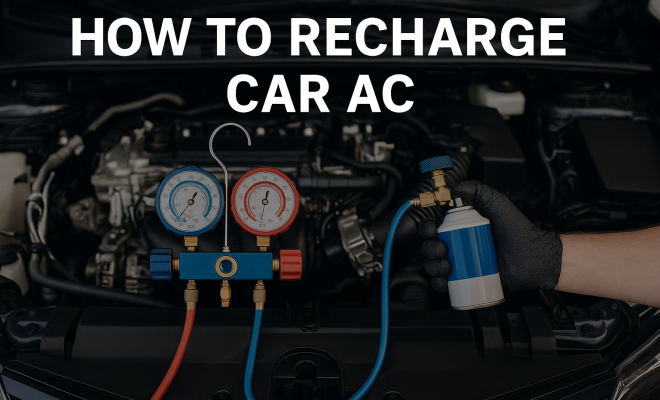
- AC Recharge Kit: These kits are available at auto parts stores and usually include a can of refrigerant and a pressure gauge.
- Safety Goggles and Gloves: Protect yourself from any potential refrigerant exposure.
- Funnel or Hose: Some kits come with these to help direct the refrigerant into the system.
- Thermometer: To measure the temperature of the air coming from the vents before and after the recharge.
- Owner’s Manual: This can provide specific instructions and diagrams for your vehicle’s AC system.
Having the right tools on hand will make the process smoother and ensure you have everything you need to get the job done.
4. Preparing for the Recharge
Once you have your tools ready, it’s time to prepare for the recharge process. First, park your car in a shaded area to avoid overheating. Start your car and turn the AC to the maximum setting. This step allows the system to circulate the existing refrigerant, which can help you gauge its current performance.
Next, locate the low-pressure service port on your AC system. This is usually found on the larger diameter aluminum tubing connected to the compressor. Consult your vehicle’s owner’s manual if you’re having trouble locating it. The low-pressure port is essential for attaching the recharge kit.
5. Connecting the Recharge Kit
Now that you’ve prepared your car, it’s time to connect the recharge kit. Take the hose from the kit and remove the cap from the low-pressure port. Attach the hose securely to the service port—ensure it clicks into place to prevent any leaks. Before proceeding, check the pressure gauge on the kit. This will help you understand if you need to add refrigerant.
Most systems will have a pressure reading that gives a good indication of whether the refrigerant levels are low or at an acceptable level. If the gauge shows that the system is below the recommended level, you’ll need to add refrigerant.
6. Recharging the AC System
With the kit connected, it’s time to recharge your AC. Follow the instructions with your recharge kit, as the process may vary slightly between manufacturers. Generally, you’ll need to hold the can upright and press the trigger to release the refrigerant into the system.
As you add refrigerant, keep an eye on the pressure gauge. It’s essential to avoid overcharging, as too much refrigerant can cause damage to the AC system. Pay attention to the gauge and stop adding refrigerant once it reaches the recommended range, usually indicated by color coding on the gauge itself.
7. Final Steps and Testing
After you’ve completed the recharge, disconnect the hose from the low-pressure port and replace the cap securely. Turn the AC back to the maximum setting and use a thermometer to check the temperature of the air coming from the vents. Ideally, the temperature should drop significantly, indicating that the recharge was successful.
It’s a good idea to monitor your AC system over the next few days. If it doesn’t perform as expected or returns to its previous state of poor cooling, there may be an underlying issue, such as a leak or a failing component, that needs professional attention.
8. Maintaining Your AC System
Recharging your car’s AC isn’t just a one-time fix. Regular maintenance is crucial to keep your system running efficiently. Here are some tips for maintaining your AC:
- Regular Inspections: Have your AC system checked annually by a professional to catch any issues early.
- Use the AC Often: Use your AC during the winter months to keep the components lubricated and functioning correctly.
- Check for Leaks: Be vigilant about any signs of refrigerant leaks, as they can severely impact the performance of your AC.
By taking these measures, you can extend the life of your AC system and ensure that it functions optimally when you need it most.
9. When to Seek Professional Help
While recharging your car AC is a task you can tackle yourself, there are situations where professional help is advisable. If you’ve recharged your AC and still notice issues, it’s time to consult a mechanic. Additionally, if you suspect a refrigerant leak, a professional can perform a dye test to locate and repair leaks, which is beyond a DIY approach.
Don’t forget that working with refrigerant requires training and knowledge of safety protocols. If you’re not comfortable performing repairs or maintenance, it’s best to leave it to the experts to avoid damage or injury.
10. Potential Risks of DIY AC Recharge
Though recharging your car AC can save you money, there are risks involved. Improper handling of refrigerants can lead to serious health hazards. Inhaling refrigerant fumes can cause dizziness, nausea, or respiratory issues. Always ensure you’re working in a well-ventilated area and wearing appropriate safety gear.
Additionally, using the wrong type of refrigerant can damage your AC system. Always check your vehicle’s specifications before purchasing refrigerant. If you’re unsure which type to use, consult a professional or refer to your owner’s manual.
11. Environmental Impact of Refrigerants
It’s worth mentioning the environmental implications of refrigerants. Older refrigerants, like R-134a, are known to contribute to ozone layer depletion and global warming. Newer refrigerants like R-1234yf are designed to be more environmentally friendly, but they still require careful handling. When recharging your AC, consider the impact of the refrigerant you’re using and follow local regulations for disposal if you have leftover refrigerant or if you need to replace components of your system.
12. FAQs about Recharging Car AC
What is the Cost of a Professional AC Recharge?
The cost can vary significantly based on your location and the make of your vehicle. Generally, you can expect to pay anywhere from $100 to $300 for a professional recharge service. This price typically includes a system inspection and leak detection.
Can I Recharge My Car AC in the Winter?
Yes, you can technically recharge your car AC in the winter. However, the performance of the AC system is more noticeable during hot weather. It’s often recommended to recharge during warmer months to better assess the system’s functionality.
How Often Should I Recharge My Car AC?
It depends on several factors, including your vehicle, how often you use the AC, and local climate conditions. Generally, recharging your AC every one to two years is a good practice. If you notice performance issues sooner, it might be time for a recharge.
What Should I Do If My AC Still Isn’t Working After Recharging?
If your AC system still isn’t cooling effectively after a recharge, it could indicate a more serious problem, such as a compressor failure, electrical issue, or refrigerant leak. It’s best to consult a professional mechanic to diagnose the issue accurately.
Are There Any DIY Alternatives to Recharging My AC?
Some might consider alternative methods like using freeze sprays or adding DIY refrigerants that are available in stores. However, these approaches can often lead to improper results and may exacerbate the problem. It’s usually best to stick with a proper recharge kit specifically designed for the purpose.
13. Common Myths About Car AC Recharge
There are several myths surrounding the process of recharging car AC systems that can lead to misunderstandings among vehicle owners. Here are some of the most common myths debunked:
Myth 1: You Can Overcharge Your AC Without Consequences
Many believe that as long as you are using a recharge kit, overcharging is not a concern. In reality, too much refrigerant can lead to significant damage to the AC compressor and other components. It’s crucial to follow the manufacturer’s guidelines and monitor the pressure gauge closely during the recharge process.
Myth 2: Refrigerant Never Needs to Be Refilled
Some drivers think that refrigerant is a “lifetime” substance that doesn’t need to be refilled. This isn’t true; refrigerants can leak due to wear and tear or damage to the AC system. Regular checks can help detect any issues before they require major repairs.
Myth 3: All Refrigerants Are the Same
Another common misconception is that all refrigerants are interchangeable. While some refrigerants may have similar properties, they have distinct chemical compositions and should not be mixed. Using the wrong type of refrigerant can lead to system malfunction and even create safety hazards.
14. Understanding Different Types of Refrigerants
As mentioned earlier, there are different types of refrigerants used in car AC systems. Understanding these can help you make informed choices when it comes to recharging your AC:
R-134a
This has been the standard refrigerant for many years and is commonly found in vehicles manufactured before 2017. It’s effective but has environmental concerns associated with its use, particularly related to global warming potential.
R-1234yf
This newer refrigerant is being adopted in many newer vehicles due to its lower environmental impact. It has a significantly lower global warming potential compared to R-134a, making it a more eco-friendly choice. However, it’s also more expensive, and proper handling is essential to avoid issues.
R-12
This refrigerant was used in older vehicles but has been largely phased out due to its detrimental effects on the ozone layer. If you own a classic car that still uses R-12, consider retrofitting the AC system to accommodate R-134a or R-1234yf for better performance and compliance with environmental regulations.
15. How Climate Affects Your AC System
The climate where you live can have a significant impact on your car’s AC system. Extremely hot or humid conditions can put additional strain on the AC system, leading to increased wear and tear and potentially more frequent need for recharges. Here are some climate considerations:
Hot Climates
In regions with sweltering summers, your AC system works harder. It’s common for systems to lose refrigerant more quickly in these environments. Regular maintenance checks during the hotter months can help keep your AC in top shape.
Humid Climates
High humidity levels can also affect the efficiency of your AC system. The system has to work harder to cool the air and remove moisture, which can lead to earlier signs of wear. Make sure to keep an eye out for the signs of low refrigerant levels, as mentioned earlier.
16. Additional Resources for Car AC Maintenance
If you’re looking to deepen your understanding of car AC systems and maintenance, several resources can help:
- Automotive Repair Manuals: Brands like Haynes or Chilton offer detailed repair manuals for specific makes and models.
- Online Forums: Websites like Reddit or specialized auto forums often have discussions about common AC issues and solutions.
- YouTube Tutorials: Many DIY enthusiasts share their experiences and tips for recharging car AC systems, providing visual guidance.
- Local Workshops: Community colleges or local car repair shops may offer classes on car maintenance that cover AC systems.
17. Conclusion
Knowing how to recharge your car AC is an invaluable skill that can save you time and money. With the right tools and a little know-how, you can ensure that your vehicle stays cool during those hot summer months. Don’t forget to maintain your AC system regularly and seek professional assistance if needed. Understanding the nuances of your car’s AC system and practicing safe methods are key. Stay cool out there!
“`
Trending Now
Frequently Asked Questions
What are the signs that your car AC needs recharging?
Look for signs such as weak airflow, warm air blowing from the vents, unusual noises like hissing, and frequent cycling of the AC compressor. If you notice any of these symptoms, it's likely time to recharge your car's air conditioning system.
How do I know if my car AC refrigerant is low?
You can tell if your car AC refrigerant is low by experiencing weak or warm airflow from the vents, hearing unusual noises, or noticing that the compressor frequently cycles on and off. These symptoms indicate that the refrigerant levels may need to be checked and recharged.
What tools do I need to recharge my car AC?
To recharge your car AC, you will need a refrigerant recharge kit, which typically includes a can of refrigerant, a pressure gauge, and a hose. Make sure to follow the instructions carefully to ensure proper recharging of the system.
Can I recharge my car AC myself?
Yes, you can recharge your car AC yourself using a refrigerant recharge kit. However, it's important to understand the system and follow the instructions carefully to avoid damaging the AC system. If you're unsure, consider seeking professional assistance.
Is it safe to drive with low refrigerant in the AC?
Driving with low refrigerant in your car's AC can lead to reduced cooling efficiency and potential damage to the AC system. It's advisable to address any signs of low refrigerant promptly to avoid more costly repairs in the future.
Have you experienced this yourself? We’d love to hear your story in the comments.