The Tech Edvocate

Top Menu

  • Advertisement
  • Apps
  • Home Page
  • Home Page Five (No Sidebar)
  • Home Page Four
  • Home Page Three
  • Home Page Two
  • Home Tech2
  • Icons [No Sidebar]
  • Left Sidbear Page
  • Lynch Educational Consulting
  • My Account
  • My Speaking Page
  • Newsletter Sign Up Confirmation
  • Newsletter Unsubscription
  • Our Brands
  • Page Example
  • Privacy Policy
  • Protected Content
  • Register
  • Request a Product Review
  • Shop
  • Shortcodes Examples
  • Signup
  • Start Here
    • Governance
    • Careers
    • Contact Us
  • Terms and Conditions
  • The Edvocate
  • The Tech Edvocate Product Guide
  • Topics
  • Write For Us
  • Advertise

Main Menu

  • Start Here
    • Our Brands
    • Governance
      • Lynch Educational Consulting, LLC.
      • Dr. Lynch’s Personal Website
      • Careers
    • Write For Us
    • The Tech Edvocate Product Guide
    • Contact Us
    • Books
    • Edupedia
    • Post a Job
    • The Edvocate Podcast
    • Terms and Conditions
    • Privacy Policy
  • Topics
    • Assistive Technology
    • Child Development Tech
    • Early Childhood & K-12 EdTech
    • EdTech Futures
    • EdTech News
    • EdTech Policy & Reform
    • EdTech Startups & Businesses
    • Higher Education EdTech
    • Online Learning & eLearning
    • Parent & Family Tech
    • Personalized Learning
    • Product Reviews
  • Advertise
  • Tech Edvocate Awards
  • The Edvocate
  • Pedagogue
  • School Ratings

logo

The Tech Edvocate

  • Start Here
    • Our Brands
    • Governance
      • Lynch Educational Consulting, LLC.
      • Dr. Lynch’s Personal Website
        • My Speaking Page
      • Careers
    • Write For Us
    • The Tech Edvocate Product Guide
    • Contact Us
    • Books
    • Edupedia
    • Post a Job
    • The Edvocate Podcast
    • Terms and Conditions
    • Privacy Policy
  • Topics
    • Assistive Technology
    • Child Development Tech
    • Early Childhood & K-12 EdTech
    • EdTech Futures
    • EdTech News
    • EdTech Policy & Reform
    • EdTech Startups & Businesses
    • Higher Education EdTech
    • Online Learning & eLearning
    • Parent & Family Tech
    • Personalized Learning
    • Product Reviews
  • Advertise
  • Tech Edvocate Awards
  • The Edvocate
  • Pedagogue
  • School Ratings
  • The Bombshell Truth About Slim Boost Tea: Don’t Buy Until You Read This

  • Jaw-Dropping: Charbroil Bistro Pro Electric Grill Recall — Is Your Grill a Hidden Danger?

  • This Corgi Tech Startup Just Imploded — Here’s How Social Media Wrecked Everything

  • September 2026: The Latest in Tech Authoritarianism – Overturned by Kelly Stonelake

  • GTA 6 Collector’s Box Price: The $400 Outrage That Just Broke Gaming

  • Unbelievable: Gamers Fought Blizzard’s Censorship and Saved Ogre Butts

  • The Radical New Bill That Could Halt AI — And Jails Its Creators

  • This OpenAI Hack Just Exposed a Terrifying New AI Threat

  • This One Leaked Video Just Blew Open New Zealand’s Curriculum Battle

  • The AI Deception: Stanford’s Scandalous Photo Alteration Reignites Representation Debate

Tech News
Home›Tech News›EIA 2026 Outlook: Renewables to Dominate US Electricity by 2040

EIA 2026 Outlook: Renewables to Dominate US Electricity by 2040
By Matthew Lynch
April 13, 2026
0
Spread the love

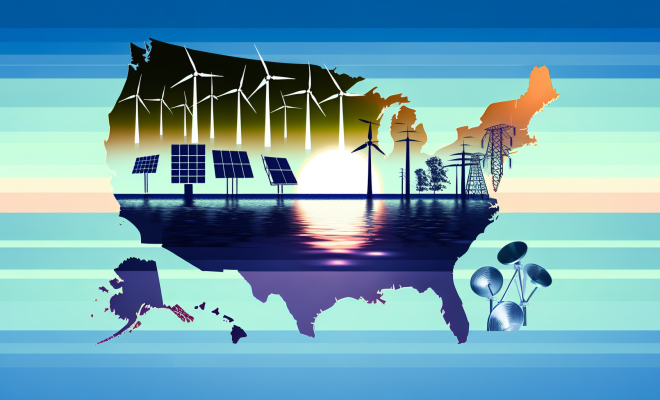
The U.S. Energy Information Administration (EIA) has released its Annual Energy Outlook 2026, revealing a transformative shift in the American energy landscape. According to the report, renewables are projected to comprise 50% of the nation’s electricity generation by 2040, a significant increase from the current rate of 25%. This anticipated surge in renewable energy is driven by a combination of technological advancements, policy changes, and evolving market dynamics.

Declining Reliance on Coal

One of the most striking trends highlighted in the EIA report is the dramatic decline in coal use, which is expected to decrease by 40%. This shift is not only a response to environmental concerns but also a reflection of the growing competitiveness of renewable sources of energy. As more states and utilities commit to cleaner energy goals, the reliance on coal-fired power plants is rapidly diminishing.

Natural Gas Stabilization

While the report indicates a significant decline in coal, the outlook for natural gas appears to be stabilizing. Natural gas has long been seen as a transitional fuel in the shift towards cleaner energy. However, the EIA suggests that its role will remain steady rather than grow, as more investments are funneled into renewables. This stabilization is attributed to several factors:

  • Technological Innovations: Advances in renewable energy technologies are making solar, wind, and other renewables increasingly cost-effective.
  • Policy Changes: Federal and state-level policies are increasingly favoring green energy initiatives over fossil fuels.
  • Market Demand: There is a growing consumer demand for sustainable energy solutions, pushing utility companies to adapt.

Solar Capacity Set to Triple

Another significant finding in the EIA’s report is the expected tripling of solar capacity over the next two decades. The agency reports that this expansion will be driven by:

  • Decreasing Costs: The cost of solar photovoltaic (PV) systems is projected to continue its downward trend, making solar energy more accessible for residential and commercial users.
  • Increased Installation: A rise in installations across both utility-scale and distributed generation systems will contribute to this rapid growth.
  • Policy Support: Continued federal and state incentives for solar energy adoption will further bolster capacity growth.

Electric Vehicle Adoption on the Rise

The EIA report also sheds light on the future of electric vehicles (EVs) in the U.S. market, predicting that 60% of new car sales will be electric by 2050. This forecast underscores a significant shift in consumer preferences and the automotive industry’s transition towards electrification. Factors driving this trend include:

  • Incentives for Consumers: Federal tax credits and state rebates are making EV purchases more attractive.
  • Improving Infrastructure: The expansion of charging infrastructure is alleviating range anxiety among potential EV buyers.
  • Environmental Awareness: A growing public consciousness regarding climate change is pushing consumers towards sustainable transportation options.

Implications for Energy Policy

The trends outlined in the EIA’s report have profound implications for energy policy at both the federal and state levels. Policymakers will need to consider the following:

  • Support for Renewables: Continued investment in renewable energy technologies and infrastructure is essential to meet the projected growth.
  • Transition Strategies: As coal use declines, strategies must be developed to manage the transition for communities dependent on fossil fuel jobs.
  • Grid Modernization: Upgrading the electrical grid to accommodate a higher percentage of renewable energy sources will be crucial for reliability and efficiency.

The Road Ahead

The EIA’s Annual Energy Outlook 2026 paints a picture of a future where renewable energy plays a pivotal role in the U.S. energy landscape. With renewables expected to make up half of the electricity generation by 2040, the shift towards cleaner energy sources is not just a possibility; it is an impending reality. As we move forward, the focus will need to be on fostering innovation, enhancing infrastructure, and ensuring that the transition is equitable for all stakeholders involved.

In conclusion, the EIA’s report serves as both a forecast and a clarion call for action. The energy transition is underway, and with the right policies and investments, the United States is poised to lead the charge into a sustainable energy future.


Previous Article

US Blockade of Hormuz Strait: Oil Market ...

Next Article

Pebble Knights: Underworld Awaits in 2026 Early ...

Matthew Lynch

Related articles More from author

  • Tech News

    Oil Prices Soar in 2026: Global Impact & What’s Next

    April 28, 2026
    By Matthew Lynch
  • Tech News

    How to create text animations in After Effects

    July 28, 2026
    By Matthew Lynch
  • Tech News

    Master Figma on iPad: Your Ultimate Guide to Mobile Design

    July 19, 2026
    By Matthew Lynch
  • Tech News

    How to clean monitor screen safely

    June 20, 2026
    By Matthew Lynch
  • Tech News

    Surge in Mental Health Calls Amid Rising Tensions in Iran

    March 21, 2026
    By Matthew Lynch
  • Tech News

    California’s Plastic Packaging Regulations Face Legal Challenge in 2026

    June 18, 2026
    By Matthew Lynch

Search

Login & Registration

  • Log in
  • Entries feed
  • Comments feed
  • WordPress.org

Newsletter

Signup for The Tech Edvocate Newsletter and have the latest in EdTech news and opinion delivered to your email address!

About Us

Since technology is not going anywhere and does more good than harm, adapting is the best course of action. That is where The Tech Edvocate comes in. We plan to cover the PreK-12 and Higher Education EdTech sectors and provide our readers with the latest news and opinion on the subject. From time to time, I will invite other voices to weigh in on important issues in EdTech. We hope to provide a well-rounded, multi-faceted look at the past, present, the future of EdTech in the US and internationally.

We started this journey back in June 2016, and we plan to continue it for many more years to come. I hope that you will join us in this discussion of the past, present and future of EdTech and lend your own insight to the issues that are discussed.

Newsletter

Signup for The Tech Edvocate Newsletter and have the latest in EdTech news and opinion delivered to your email address!

Contact Us

The Tech Edvocate
910 Goddin Street
Richmond, VA 23231
(601) 630-5238
[email protected]

Copyright © 2026 Matthew Lynch. All rights reserved.