March 28 Protests: A Historic Mobilization Against Authoritarianism
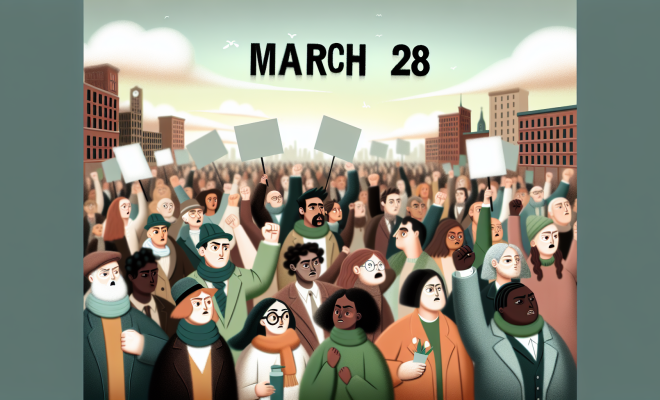
On March 28, 2026, millions of Americans are expected to take to the streets in what could be the largest day of protest in U.S. history. The nationwide demonstrations are part of the third iteration of the “No Kings” protests, a grassroots movement organized by a coalition of left-leaning groups. These protests aim to challenge the authority and policies of the Trump administration, emphasizing the message that power belongs to the people, not to leaders who act like kings or billionaires.
A Nationwide Call to Action
With more than 3,000 protests scheduled across the country, organizers are preparing for an unprecedented mobilization. The “No Kings” protests have gained momentum since their inception, building on earlier demonstrations held in June and October of 2025, which drew significant public attention and participation. The Nation magazine has highlighted the potential for March 28 to become a landmark day in the annals of American protest history.
Background of the “No Kings” Movement
The “No Kings” movement emerged as a direct response to what many perceive as authoritarian tendencies within the Trump administration. Its name signifies a repudiation of the notion that leaders should wield unchecked power over the populace. Instead, the movement champions the idea that government should be accountable and responsive to the needs of ordinary citizens.
The first waves of protests in June 2025 drew thousands across major U.S. cities, igniting a fervor for social justice, economic equality, and political accountability. Subsequent protests in October of the same year continued to gather momentum, focusing on issues such as healthcare access, climate change, and systemic racism. Organizers have emphasized the importance of sustained activism to bring about meaningful change.
What to Expect on March 28
The March 28 protests are expected to encompass a wide array of issues, reflecting the diverse concerns of the movement’s supporters. From environmental advocacy to labor rights, participants will come together to express their demands for a government that prioritizes the welfare of its citizens over corporate interests. Key issues likely to be highlighted include:
- Healthcare for All: Advocates are pushing for universal healthcare, arguing that it is a basic human right.
- Climate Action: Environmental activists will demand stronger policies to combat climate change and protect natural resources.
- Social Justice: Many protesters will focus on combating systemic racism and promoting equity across all sectors of society.
- Workers’ Rights: Labor unions and workers’ groups will advocate for fair wages and improved working conditions.
Coalition of Voices
The coalition behind the “No Kings” protests includes a diverse range of organizations, from grassroots activist groups to established labor unions. This broad coalition aims to unite various social movements under a common banner of resistance against perceived authoritarianism. Notable organizations participating in the protests include:
- The Democratic Socialists of America (DSA): A political organization advocating for democratic socialism.
- Indivisible: A grassroots movement focused on resisting the Trump agenda.
- Sunrise Movement: A youth-led organization advocating for climate justice.
- American Civil Liberties Union (ACLU): A nonprofit dedicated to defending civil rights and liberties.
Historical Context and Significance
Protests have long been a cornerstone of American democracy, serving as a powerful tool for citizens to voice their dissent and demand change. Historically, mass mobilizations have played a pivotal role in shaping policy and influencing public opinion, from the Civil Rights Movement to the anti-war protests of the 1960s. The upcoming March 28 protests are positioned to follow in this tradition, with organizers hoping to inspire lasting change.
As the Trump administration continues to face scrutiny over a range of issues, the “No Kings” protests represent a collective effort to reclaim democratic values and principles. The slogan reflects a broader sentiment that many Americans feel: discontent with leadership that prioritizes power over people.
Mobilization Efforts and Safety Precautions
In preparation for the anticipated turnout, organizers have implemented extensive mobilization efforts, including outreach campaigns, social media engagement, and coordination with local law enforcement to ensure the safety of participants. They encourage attendees to remain peaceful while expressing their demands and to be aware of their rights during demonstrations.
As March 28 approaches, the “No Kings” protests promise to be a historic event that not only challenges the current administration but also galvanizes a movement for change across the nation. With millions expected to join in solidarity, the power of the people will be on full display as they assert their right to speak out against perceived injustices.
Conclusion
The upcoming March 28 protests signify a critical moment in the ongoing struggle for democratic representation and social justice in the United States. As citizens prepare to take to the streets, their voices will echo the sentiment that power should reside with the people, not with those who act as if they are above the law. This could very well be a defining day in the history of activism, one that sets the stage for future movements and challenges to authority.