El Niño’s 2024 Climate Impact: Global Vulnerabilities Intensify
“`html
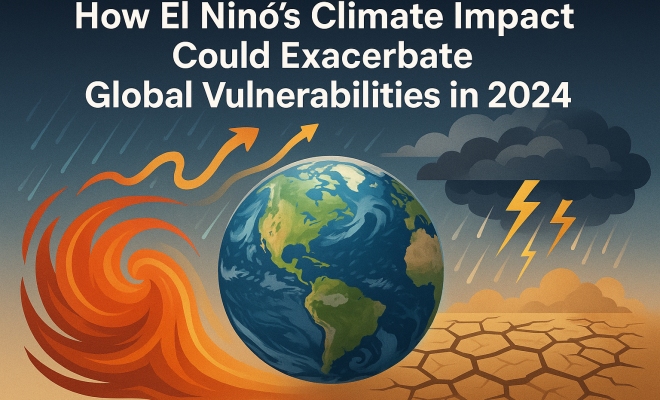
The phenomenon known as El Niño has long been a topic of concern for climatologists and policymakers alike. As we approach 2024, the United Nations has issued a stark warning that the El Niño climate impact is set to accelerate, driving climate shocks in regions already teetering on the brink of catastrophe.
Understanding El Niño: What Is It?
El Niño refers to a periodic warming of the ocean surface in the central and eastern tropical Pacific. This natural climatic event occurs roughly every two to seven years, disrupting normal weather patterns worldwide. During this period, warmer ocean temperatures can lead to significant changes in atmospheric circulation, which in turn affects weather systems across continents.
The implications of El Niño are vast and severe. From increased rainfall and flooding in some areas to drought and extreme heat in others, the repercussions can be felt around the globe. It’s a complex interplay of climatic forces, but one thing is clear: its effects can be devastating.
The UN’s Alarm: Millions at Risk
The United Nations has raised alarms about the potential for intensified weather events as El Niño approaches. Vulnerable regions, particularly in Africa, Asia, and Central America, could face dire consequences if predictions hold true. The UN reports that millions of people are already feeling the humanitarian stress that these climatic shocks bring.
Food security is one of the most immediate concerns. Crop failures due to altered rainfall patterns can lead to inflated food prices and increased hunger. In regions already struggling with poverty and instability, the onset of El Niño could push millions over the edge into a dire situation.
El Niño’s Historical Context
Historically, El Niño events have correlated with significant weather-related disasters. For instance, the 1997-1998 El Niño was one of the strongest recorded, leading to widespread flooding in Indonesia, droughts in Brazil, and severe weather across the United States. Such events remind us that while El Niño might be a natural occurrence, its impacts are anything but natural for the people affected.
As we move into 2024, scientists are predicting an El Niño event that could rival past occurrences, leaving many to wonder how prepared we are to handle the ensuing crises. The historical context underscores the urgency of the situation and the need for coordinated global responses.
The Direct Impacts of El Niño on Weather Patterns
One of the most palpable El Niño climate impacts is its influence on local weather systems. With warmer ocean waters, the risk of extreme weather events rises significantly. Regions that typically experience seasonal rain could see intensified storms, leading to flooding, while areas that rely on predictable rainfall may suffer from drought.
- Increased Flooding: Coastal regions are particularly susceptible to storm surges and flooding during El Niño years. For example, areas in South America, like Peru, can see torrential rains that lead to landslides and damage infrastructure.
- Drought Conditions: Conversely, regions in Southeast Asia and parts of Africa could face severe droughts, crippling agriculture and water supply.
- Heatwaves: The overall increase in temperatures during an El Niño year can exacerbate existing heatwaves, leading to health crises, especially among vulnerable populations.
Food Security: A Global Concern
The link between El Niño and food security is critical. With disruptions in rainfall patterns, many farmers may find their crops failing, leading to a decline in food availability. In regions where agriculture is already precarious, such as the Sahel in Africa, the impact can be catastrophic.
In 2023, we saw early signs of rising food prices, and experts warn that the onset of El Niño could lead to further price surges. The UN has indicated that if this El Niño event becomes strong, it could destabilize food systems not only locally but also impact global markets.
Wildfire Risks and Air Quality
As temperatures rise and dry conditions prevail in various regions, the risk of wildfires significantly increases. Areas such as the western United States and Australia have already experienced devastating fires during previous El Niño years.
These wildfires are not just an environmental concern; they pose severe risks to air quality and public health. Smoke from wildfires can travel vast distances, affecting air quality in regions far from the fire’s origin. Vulnerable populations, particularly those with preexisting health conditions, are at heightened risk. (See: Understanding El Niño phenomenon.)
The Economic Repercussions
The economic fallout from the El Niño climate impact can be staggering. Disruptions in agriculture, coupled with the potential for increased disaster response costs, can strain national budgets, particularly in low-income countries. In nations like Yemen or Haiti, where economic resilience is already fragile, the added burden of climate shocks could ignite political instability and conflict.
International markets are not immune either. We may see fluctuations in commodity prices, particularly for grains and other staples, which could ripple through economies. Investors and governments need to prepare for these shifts to mitigate the long-term impacts effectively.
Adaptation Strategies for Vulnerable Regions
In light of the looming threat posed by El Niño, adaptation strategies are essential for vulnerable regions. Governments and organizations must work together to implement plans that can lessen the immediate impacts of climate shocks.
- Improved Infrastructure: Investing in resilient infrastructure can help mitigate flooding and improve water management systems in drought-prone areas.
- Early Warning Systems: Enhanced forecasting and early warning systems can provide crucial information to communities at risk, allowing them to prepare for impending climate shocks.
- Agricultural Resilience: Developing drought-resistant crop varieties and promoting sustainable farming practices can help secure food supplies.
Global Cooperation: A Necessary Approach
Addressing the challenges posed by the El Niño climate impact requires a concerted global effort. Countries must come together to share knowledge, resources, and technology. International aid should be focused on the most vulnerable regions, ensuring they have the support needed to adapt to these changes.
The role of organizations like the UN is pivotal in driving these efforts. They provide a platform for dialogue and facilitate the allocation of resources where they’re needed most. Collaborative approaches are vital for fostering innovation and implementing effective solutions.
Looking Ahead: What to Expect in 2024
As we transition into 2024, the anticipation surrounding the potential effects of El Niño looms large. Experts are closely monitoring ocean temperatures and atmospheric conditions that could signal the strength of the upcoming event. The stakes are high, and the world is watching.
For individuals, the impact of El Niño may translate into higher grocery bills, unpredictable weather patterns, and increased risks related to natural disasters. Staying informed about local conditions and being prepared for potential disruptions will be crucial.
Final Thoughts: The Urgency of Action
The El Niño climate impact is not merely an environmental issue; it is a humanitarian crisis waiting to unfold. As we brace ourselves for the potential effects of this climatic phenomenon, it’s essential to remember that proactive measures can mitigate its impacts. From grassroots initiatives to international cooperation, the way we respond today will define our resilience for years to come.
In a world increasingly vulnerable to climate shocks, understanding and preparing for the implications of El Niño is more critical than ever. Let’s not wait until it’s too late to take action.
Detailed Mechanisms of El Niño
To truly grasp the El Niño climate impact, it helps to understand the mechanics of the phenomenon. During an El Niño event, the trade winds weaken, which allows warm water that typically resides in the western Pacific to flow eastward. This shift not only alters sea surface temperatures but also modifies atmospheric pressure patterns.
This leads to a stronger influence of the Pacific Ocean on global weather. For example, the displacement of warm water can cause alterations in monsoon patterns in India, resulting in either excessive rain or drought. These disruptions can jeopardize millions of livelihoods that depend on agriculture and stable weather patterns.
Case Studies of El Niño’s Impact
Examining previous El Niño events through case studies provides valuable insights into potential future impacts. For instance, the 2015-2016 El Niño was documented as one of the strongest on record, leading to significant climatic anomalies worldwide.
In Southeast Asia, the event contributed to extensive drought conditions and forest fires, exacerbating air quality issues that affected millions. In contrast, regions in the southern United States experienced heightened rainfall, leading to flooding that caused billions in damages. Comparing these impacts highlights the multifaceted nature of El Niño’s effects and the necessity for localized responses.
El Niño and Climate Change: A Compounding Crisis
The interaction of El Niño with climate change is another critical area of concern. While El Niño is a natural phenomenon, climate change is already making the weather more extreme. Scientists warn that as global temperatures rise, the effects of El Niño could become even more severe. For instance, warming ocean waters may increase the intensity and frequency of El Niño events. (See: CDC on climate and health.)
This creates a vicious cycle, where climate change exacerbates the impacts of El Niño, leading to more severe weather patterns, food insecurity, and economic instability. Understanding this interplay is crucial for developing effective adaptation and mitigation strategies.
Long-term Projections and Models
Advancements in climate modeling are providing new insights into how El Niño may evolve in the coming decades. Researchers are using sophisticated models to predict not just the intensity of El Niño events, but also how they might interact with other climatic phenomena. For example, there is growing interest in assessing how the North Atlantic Oscillation may influence El Niño’s effects on global weather.
These long-term projections will be invaluable for policymakers, as they seek to implement strategies that can withstand not only the immediate impacts of El Niño but also longer-term climatic changes. Understanding these models will allow for better resource allocation and emergency preparedness measures.
Frequently Asked Questions about El Niño
What triggers an El Niño event?
El Niño is triggered by a combination of factors, primarily related to changes in ocean temperatures and atmospheric conditions in the Pacific Ocean. The trade winds weaken, allowing warm water to shift eastward.
How often does El Niño occur?
El Niño events occur every two to seven years, though the exact timing and strength can vary significantly from one occurrence to the next.
What are the main impacts of El Niño in different regions?
El Niño’s impacts vary regionally. In South America, it often leads to excessive rainfall and flooding. In contrast, Southeast Asia may experience severe drought, leading to significant agricultural losses.
How can communities prepare for El Niño?
Communities can prepare by investing in resilient infrastructure, establishing early warning systems, and promoting sustainable agricultural practices. Awareness campaigns can also help communities understand the risks associated with El Niño.
What is the connection between El Niño and climate change?
While El Niño is a natural phenomenon, climate change is expected to alter its behavior. Higher global temperatures may increase the intensity and frequency of El Niño events, making its impacts more severe.
Can we predict El Niño events accurately?
While scientists have made significant strides in understanding and predicting El Niño events, accurate forecasting remains challenging. Current models rely on oceanic and atmospheric data, but ongoing research aims to improve predictive capabilities.
Why is it important to study El Niño?
Studying El Niño is crucial for understanding its wide-ranging impacts on global weather patterns, food security, and economic stability. Insights gained from research can inform preparedness and response strategies, ultimately saving lives and resources.
The Social Impact of El Niño
Beyond environmental and economic repercussions, the social impact of El Niño can be severe. Communities experiencing the effects of this climatic phenomenon often endure displacement, health crises, and heightened inequalities. Vulnerable populations, particularly in developing countries, are disproportionately affected.
For instance, when droughts occur, families may be forced to migrate in search of water and food, disrupting their education and further exacerbating poverty cycles. In regions where access to healthcare is limited, malnutrition can lead to increased rates of disease, particularly in children. This social fallout highlights the urgent need for integrated responses that include social safety nets and health support.
Another critical area impacted by El Niño is marine ecosystems and fisheries. The warming waters can lead to shifts in fish populations and migration patterns, affecting the livelihoods of millions who depend on fishing for food and income. For example, in the Pacific, species like sardines and anchovies can be significantly affected, leading to reduced catches for fishermen.
Moreover, the changes in ocean temperatures can impact the entire food web, from plankton to larger fish species, creating ripple effects throughout marine ecosystems. Sustainable fishing practices and adaptive management strategies are essential to help communities navigate these changes and maintain their livelihoods.
El Niño’s Role in Natural Disasters
El Niño has been linked to increased frequency and intensity of natural disasters, including hurricanes and typhoons. These storms can cause widespread destruction, particularly in vulnerable coastal areas. The relationship between El Niño and storm activity is complex but significant. Studies have shown that warmer ocean temperatures can lead to more intense storms, which can devastate communities and disrupt economies.
For example, the 1997-1998 El Niño season coincided with a record number of hurricanes in the Atlantic Ocean, with many of those storms inflicting extensive damage in the Caribbean and the southeastern United States. Adequate disaster preparedness and resilience-building measures are essential for communities at risk of these compounded threats.
Innovative Solutions for Mitigating El Niño Impacts
As the world grapples with the impending effects of El Niño, innovative solutions are emerging to help mitigate its impacts. Technological advancements play a crucial role in these efforts. Remote sensing and satellite technology offer real-time data on ocean temperatures and weather patterns, providing invaluable information for forecasting and disaster preparedness.
Moreover, community-based initiatives focusing on local knowledge and practices can enhance resilience. For example, agroecological approaches can help farmers adapt to changing weather conditions, while conservation efforts can maintain healthy ecosystems that buffer against extreme weather. Collaborative efforts between governments, NGOs, and local communities are pivotal in creating effective mitigation strategies.
Panel Discussions and Conferences on El Niño
In recent years, global forums have increasingly focused on the implications of El Niño, bringing together scientists, policymakers, and community leaders to discuss strategies for adaptation and resilience. Events like the annual Climate Change Conference (COP) and specialized symposia on climate phenomena provide platforms for sharing knowledge and developing collaborative approaches to address the challenges posed by El Niño.
These discussions help raise awareness and drive action by highlighting innovative solutions and best practices from around the world. The exchange of ideas at these gatherings can inspire concrete commitments from nations and organizations to work towards more sustainable and equitable responses to climatic events.
“`
Trending Now
Frequently Asked Questions
What is El Niño and how does it affect the climate?
El Niño is a periodic warming of the ocean surface in the central and eastern tropical Pacific, occurring every two to seven years. It disrupts normal weather patterns globally, causing varied effects such as increased rainfall and flooding in some regions, while leading to drought and extreme heat in others.
How will El Niño impact global food security in 2024?
The United Nations warns that El Niño could exacerbate food security issues in 2024. Altered rainfall patterns may lead to crop failures, resulting in inflated food prices and increased hunger, particularly in vulnerable regions like Africa, Asia, and Central America.
What regions are most at risk from El Niño's effects?
Regions particularly at risk from El Niño's effects include parts of Africa, Asia, and Central America. These areas are already facing humanitarian stress and could endure intensified weather events, leading to severe consequences for their populations.
What historical events are associated with El Niño?
Historically, El Niño events have been linked to significant weather-related disasters. For example, the 1997-1998 El Niño caused widespread flooding in Indonesia, droughts in Brazil, and severe weather patterns globally, demonstrating the phenomenon's potential for devastating impacts.
Why is the UN concerned about El Niño in 2024?
The UN is concerned about El Niño in 2024 due to predictions of intensified weather events that could affect millions. Vulnerable regions are already facing climatic shocks, and the potential for increased humanitarian crises, food insecurity, and economic instability is alarming.
Have you experienced this yourself? We’d love to hear your story in the comments.