How to grow vegetables in containers
“`html
Container vegetable gardening has emerged as a popular method for growing fresh produce, especially for those with limited space. Whether you have a small balcony, a tiny backyard, or just want to make the most of your available outdoor areas, container gardening offers a practical solution. This guide will delve into the fundamental aspects of how to grow vegetables in containers, providing you with actionable insights and tips for success.
1. Choosing the Right Containers
When embarking on your container vegetable gardening journey, selecting the right containers is crucial. The material of the container affects drainage, the soil temperature, and how often you need to water your plants. Common materials include plastic, ceramic, wood, and metal, each with its pros and cons.
Plastic containers are lightweight and affordable, making them a popular choice for urban gardeners. However, they can retain heat, which may lead to quicker soil drying. Ceramic pots, while aesthetically pleasing and excellent for insulation, can be heavy and expensive. Wooden containers, like raised beds, provide a natural look but can rot over time unless treated. Metal containers are durable, but they can heat up quickly, posing a risk to plant roots. Always ensure your container has ample drainage holes to prevent waterlogging.
2. Soil Selection and Preparation
Soil is the lifeblood of your container vegetable gardening efforts. Unlike traditional gardening, containers may require a different mix to support healthy growth. A well-balanced potting mix, typically featuring peat moss, vermiculite, and compost, is ideal for containers. This mixture provides the necessary aeration and drainage while also retaining moisture.
Before planting, consider amending your soil with slow-release fertilizers or organic matter. This will ensure your plants have a steady supply of nutrients throughout their growth cycle. Remember, soil in containers can quickly lose nutrients as you water, so regular feeding is vital. Investigating soil testing kits can help you ensure your soil’s pH levels and nutrient content are optimal for vegetable growth.
3. Watering Techniques
Watering is perhaps the most critical aspect of container vegetable gardening. With limited soil volume, containers can dry out faster than garden beds, requiring more frequent watering. A general rule of thumb is to check the soil moisture daily, especially during hot weather. The top inch of soil should feel slightly moist but not soggy.
When watering, it’s better to give your plants a deep soak rather than frequent light watering. This encourages deeper root growth. Using self-watering containers can provide a more hands-off approach, as they have reservoirs that allow plants to absorb water as needed. Drip irrigation systems are also an excellent option for maintaining consistent moisture without the risk of overwatering.
4. Choosing the Right Vegetables
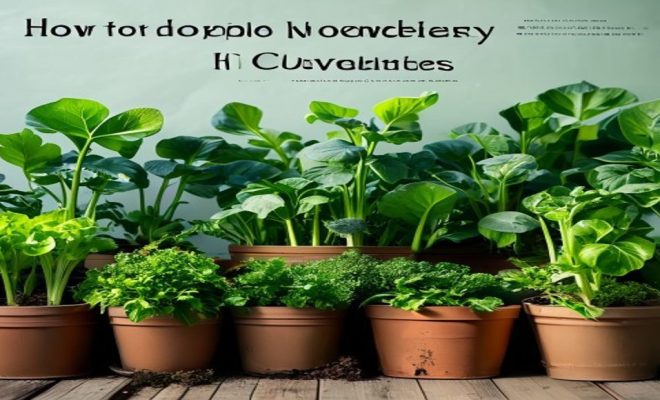
Not all vegetables thrive in container gardens, so it’s essential to choose varieties that are well-suited for this method. Leafy greens like lettuce, spinach, and kale are fantastic options, as they have shallow roots and grow quickly. Herbs such as basil, parsley, and cilantro also do well in containers, offering culinary benefits alongside their beauty.
For larger vegetables, consider dwarf or compact varieties. Tomatoes, peppers, and eggplants have many dwarf options that can produce bountiful yields without taking up much space. Always check the seed packets or plant tags for the recommended container size to ensure your plants have enough room to grow.
5. Sunlight Requirements
The amount of sunlight your containers receive is pivotal to the success of your vegetable garden. Most vegetables require at least six to eight hours of direct sunlight per day to thrive. If you’re dealing with a shaded area, consider using reflective surfaces to capture and redirect sunlight toward your plants, or select shade-tolerant varieties. (See: importance of food security.)
When arranging your containers, be mindful of their placement. Taller plants can block sunlight from reaching shorter ones, so consider grouping plants according to their height and light needs. You might also rotate your containers or use wheeled carts for easy repositioning as the seasons change.
6. Pest and Disease Management
Container vegetable gardening can still fall prey to pests and diseases, so it’s crucial to stay vigilant. Regularly inspect your plants for signs of trouble, like discolored leaves or visible insects. Natural pest control methods, such as introducing beneficial insects (e.g., ladybugs) or using insecticidal soap, can help manage pest populations without harsh chemicals.
Maintaining proper spacing between plants can also reduce the risk of diseases, as good air circulation helps keep foliage dry. Crop rotation is another effective strategy; avoid planting the same type of vegetable in the same container more than once a year to prevent soil-borne diseases. Additionally, removing any dead or diseased plant material promptly can keep your garden healthy.
7. Seasonal Considerations
Understanding the seasons is crucial for successful container vegetable gardening. Different vegetables have varying growing seasons, so planning ahead is essential. Cool-season crops like peas, lettuce, and radishes can be planted early in the spring, while warm-season crops like tomatoes and peppers should wait until after the last frost.
In regions with extreme weather, consider using row covers or bringing containers indoors during inclement conditions. Alternatively, you can grow some vegetables indoors under grow lights, extending your gardening season year-round. Keeping an eye on local frost dates and temperature fluctuations can help you plan your planting schedule accordingly.
8. Harvesting and Enjoying Your Produce
Once your container garden starts flourishing, the rewarding moment arrives: harvesting. Knowing when to harvest is essential, as picking vegetables at the right time can enhance their flavor and nutritional value. Each vegetable has its optimal harvest time, often indicated by size and color.
For leafy greens, you can start harvesting individual leaves once they reach a certain size; this encourages continued growth. Tomatoes, on the other hand, should be picked when they’re fully colored and slightly firm to the touch. Enjoying the fruits of your labor is one of the most satisfying parts of container vegetable gardening. Whether you use your fresh produce in salads, sauces, or simply enjoy them raw, the taste of home-grown vegetables is unbeatable.
Container vegetable gardening offers a rewarding way to grow your own food, even in limited spaces. By selecting the right containers, preparing the soil, maintaining proper watering practices, and understanding your plants’ needs, you can cultivate a thriving vegetable garden. So why wait? Start your container garden today and enjoy the many benefits of growing your own food!
9. Benefits of Container Vegetable Gardening
Container vegetable gardening comes with a myriad of advantages that make it an appealing option for many gardeners. One significant benefit is the ability to control the growing conditions much more precisely than in traditional garden beds. You can choose the soil type, the amount of water, and even the placement of your plants based on the specific needs of each vegetable. This level of control can lead to healthier plants and more bountiful harvests.
Another advantage is the flexibility that container gardening offers. You can move containers around your yard or balcony to maximize exposure to sunlight or protect plants from harsh weather. This mobility is particularly beneficial if you live in an area with unpredictable weather, allowing you to quickly reposition your plants as needed.
Container gardening is also an excellent option for beginners. It requires less initial investment in terms of time and effort compared to setting up a full garden. For those who may feel overwhelmed by the thought of traditional gardening, starting with a few containers can build confidence and provide a manageable way to learn the ropes. (See: research on urban gardening benefits.)
10. Container Gardening Techniques
Once you’ve chosen your containers and plants, you might want to explore various gardening techniques that can enhance your experience and yield. One popular method is companion planting, where you grow different plants together that benefit each other. For instance, growing tomatoes alongside basil can improve the flavor of both. Additionally, some plants can naturally deter pests when grown together, making for a healthier garden.
Another technique is vertical gardening, which is especially useful in small spaces. By using shelves, trellises, or even hanging containers, you can maximize your growing area and create an eye-catching display. This method can also improve air circulation among your plants, reducing the risk of diseases.
You might also consider using a method called succession planting. This approach involves planting a new crop in a container as soon as the previous crop has been harvested. This strategy helps ensure a continuous supply of fresh vegetables throughout the growing season, making the most of your container garden.
11. Choosing the Right Tools
Equipping yourself with the right tools can significantly enhance your container gardening experience. Basic tools like trowels, pruning shears, and a good watering can are essential. A soil moisture meter can also be a useful addition to help you avoid over- or under-watering your plants. If you’re working with a larger number of containers, consider investing in a quality hose with a sprayer attachment or a drip irrigation system to streamline your watering process.
For those interested in nurturing their plants’ growth, garden journals can be an excellent investment. Keeping track of planting dates, watering schedules, and growth patterns can help you improve your gardening practices over time. Additionally, for the more tech-savvy gardener, smartphone apps can provide reminders, tips, and even community support.
12. Community and Learning Resources
Joining a community of fellow container gardeners can be incredibly beneficial. You can share experiences, ask for advice, and learn from others’ successes and mistakes. Online forums, social media groups, and local gardening clubs can provide a wealth of information and support. Many communities also offer workshops and classes focused on container gardening techniques, which can help you deepen your knowledge and skills.
Additionally, there are numerous books and online resources dedicated to container gardening. Websites like the Old Farmer’s Almanac and gardening blogs often provide seasonal tips, troubleshooting advice, and innovative ideas for what to grow in containers. Tapping into these resources can provide inspiration and help you tackle any challenges you may face during your gardening journey.
13. FAQ About Container Vegetable Gardening
What size container is best for vegetable gardening?
Generally, larger containers (at least 5 gallons) are better for vegetables with larger root systems, such as tomatoes and peppers. Smaller containers (1-3 gallons) work well for herbs and leafy greens. The size of the container impacts how much soil can retain moisture and nutrients, which is crucial for plant health.
Can I reuse old containers for vegetable gardening?
Yes, you can reuse old containers, but you should clean them thoroughly to avoid transferring any diseases to your new plants. It’s best to wash them with a mixture of water and bleach (1 part bleach to 9 parts water) and let them dry completely before using them again.
How often should I fertilize my container plants?
Container plants generally benefit from fertilization every 4 to 6 weeks during the growing season. Using a slow-release fertilizer or liquid organic fertilizer can promote healthy growth. It’s crucial to follow the product instructions to avoid over-fertilization, which can harm your plants.
Can I grow vegetables indoors using containers?
Absolutely! Many vegetables can be grown indoors in containers, especially if you provide sufficient light, either through natural sunlight or grow lights. Leafy greens, herbs, and even dwarf tomato varieties can thrive indoors, making container gardening a versatile option for growing vegetables year-round.
What are the best vegetables to grow in small containers?
Some of the best vegetables for small containers include radishes, herbs (like dill and chives), lettuce, spinach, and dwarf varieties of tomatoes and peppers. These plants generally have shallow root systems that adapt well to limited soil space.
14. Advanced Techniques for Container Vegetable Gardening
If you want to take your container gardening to the next level, consider integrating advanced techniques that can boost productivity and enhance your gardening experience. Hydroponics, for example, is a soil-less growing method that uses nutrient-rich water to feed plants. Many home gardeners are experimenting with hydroponic systems in containers, which can lead to faster growth and higher yields. Another innovative approach is aquaponics, where fish waste provides an organic nutrient source for the plants, while the plants help filter the water for the fish.
15. Choosing the Right Vegetables for Container Gardening
When planning your container vegetable garden, it’s essential to choose the right varieties that will thrive in a confined space. Root vegetables, for instance, can be challenging, as they require deeper soil than most containers provide. However, you can plant radishes and baby carrots in shorter containers, as they don’t need as much depth. Herbs like chives, oregano, and mint are perfect for container gardening because they generally have smaller root systems. Consider planting a mix of fast-growing and slow-growing vegetables to maximize your harvest throughout the season.
16. Statistics on Container Gardening Popularity
The popularity of container vegetable gardening has surged in recent years. According to the National Gardening Association, over 35% of U.S. households engaged in some form of vegetable gardening in 2020, with a significant portion opting for container gardening methods. This trend has been attributed to urbanization, where more people live in apartments or homes with limited yard space. Furthermore, a 2021 study revealed that 60% of new gardeners were motivated by the desire to grow their own food, showcasing a shift in consumer attitudes towards food sustainability and gardening.
17. Container Gardening vs. Traditional Gardening
Container gardening and traditional gardening each have their advantages. While container gardening offers flexibility, control over conditions, and is ideal for urban environments, traditional gardening allows for larger growing spaces and potentially bigger yields. If space is a concern, container gardening provides an accessible way for anyone to grow their own vegetables, regardless of their living situation. However, for those with yards, traditional gardening allows for a wider variety of plant options and the potential for greater overall production. Consider your lifestyle, available space, and commitment level when deciding which method is best for you.
18. Conclusion
Container vegetable gardening can open up a world of possibilities for anyone looking to grow their own food. With the proper knowledge, tools, and resources, you can create a beautiful and productive garden that fits your space and lifestyle. So grab those containers, get planting, and enjoy the journey of growing your own vegetables!
“`
Trending Now
Frequently Asked Questions
What containers are best for growing vegetables?
The best containers for growing vegetables include plastic, ceramic, wood, and metal. Each material has its advantages: plastic is lightweight and affordable, ceramic offers good insulation, wood provides a natural look, and metal is durable. Ensure your container has proper drainage holes to prevent waterlogging.
How do you prepare soil for container gardening?
For container gardening, use a well-balanced potting mix that includes peat moss, vermiculite, and compost. This mix promotes aeration and drainage while retaining moisture. Amending your soil with slow-release fertilizers or organic matter before planting ensures your vegetables receive essential nutrients throughout their growth.
Can you grow vegetables in any type of container?
While you can grow vegetables in various types of containers, it's important to choose those that have adequate drainage and are appropriate for the size of the plants. Avoid using containers that are too small, as they won't support healthy growth or root development.
How often should you water container vegetables?
Container vegetables typically require more frequent watering than those in the ground, as soil in containers can dry out quickly. Check the moisture level regularly and water when the top inch of soil feels dry. Factors like container size, type of plant, and weather conditions will influence your watering schedule.
What vegetables grow best in containers?
Vegetables that grow well in containers include tomatoes, peppers, lettuce, radishes, and herbs like basil and parsley. These plants have relatively small root systems and adapt well to limited space, making them ideal choices for container gardening.
Agree or disagree? Drop a comment and tell us what you think.