Iran Conflict’s Environmental Toll: Climate Change & Instability
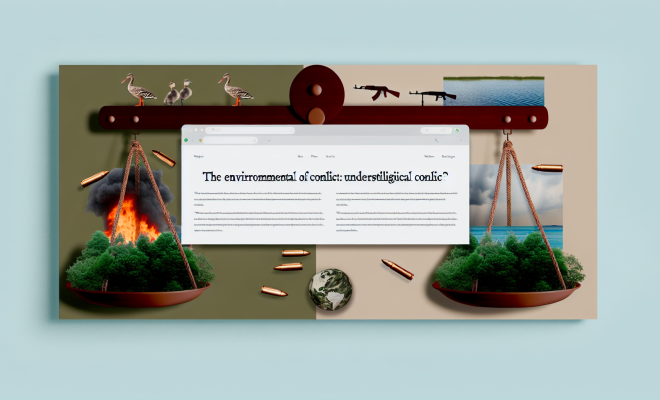
The conflict in Iran has far-reaching implications that extend beyond political and military dimensions, profoundly impacting the environment. As climate change intensifies, the intersection of geopolitical instability and environmental degradation becomes increasingly apparent. This article delves into the myriad ways the Iran conflict exacerbates environmental challenges, including rising sea levels, drought conditions, extreme heatwaves, and threats to water supply and food security.
Climate Change and Conflict
Iran’s environment is already under stress from climate change, with reports indicating an alarming rise in temperatures and increased frequency of extreme weather events. The geopolitical tensions in the region only serve to deepen these environmental concerns, creating a vicious cycle where conflict hinders effective responses to climate change. As nations divert attention and resources to military endeavors, crucial environmental issues remain unaddressed.
Rising Sea Levels
The Persian Gulf, bordering Iran, is particularly vulnerable to rising sea levels attributed to climate change. According to the Intergovernmental Panel on Climate Change (IPCC), sea levels are projected to rise significantly in the coming decades, threatening coastal areas with flooding and erosion. This situation is further complicated by the ongoing conflict, which hampers international cooperation and the implementation of adaptive measures.
Drought Conditions and Water Scarcity
Iran has long been affected by drought, a situation exacerbated by both climate change and the impacts of conflict. The country’s water resources are dwindling, with an estimated 60% of Iran’s land area experiencing severe drought conditions. As geopolitical tensions escalate, the focus on military strategies often overshadows the need for sustainable water management policies.
- Water Supply Issues: The ongoing conflict has led to mismanagement of water resources, further aggravating the crisis.
- Impact on Agriculture: Farmers are struggling to cope with diminishing water supplies, impacting food production and security.
- Health Risks: Water scarcity contributes to health problems, as communities resort to unsafe water sources.
Extreme Heatwaves
Alongside drought, Iran is experiencing unprecedented heatwaves, with temperatures reaching dangerously high levels. These extreme weather patterns are linked to global climate changes, which are further intensified by regional conflicts. In 2022, Iran witnessed temperatures soar above 50 degrees Celsius, creating hazardous living conditions. Such climate extremes not only threaten human health but also disrupt agricultural productivity, leading to food shortages.
Food Security Threats
The interplay between environmental degradation and conflict has dire consequences for food security in Iran. As water supplies dwindle and agricultural lands suffer from heat and drought, food production becomes increasingly compromised. A UN report indicated that millions of Iranians face food insecurity, exacerbated by both climate factors and the economic repercussions of ongoing conflict.
Economic Impact on Agriculture
The agricultural sector, a crucial component of Iran’s economy, is under significant strain due to environmental challenges. Farmers are grappling with a dual crisis: the immediate impacts of conflict and the longer-term effects of climate change. Crop yields are declining, leading to higher food prices and increased reliance on imports. The situation is dire, as many rural communities depend on agriculture for their livelihoods.
Global Implications of Regional Conflicts
The environmental repercussions of the Iran conflict extend beyond its borders, with global implications for environmental stability and resource availability. Conflict in one region can disrupt supply chains, strain resources, and trigger migration pressures, as people flee from areas rendered uninhabitable due to environmental degradation.
International Response and Cooperation
Addressing the intertwined crises of conflict and climate change necessitates international cooperation. However, geopolitical tensions often hinder collaborative efforts aimed at environmental sustainability. The lack of effective governance and political will in conflict regions limits the potential for innovative solutions to mitigate environmental degradation.
Need for Sustainable Policies
To avert a complete environmental collapse, it is imperative for stakeholders—both local and international—to prioritize sustainable policies. This includes:
- Investment in Sustainable Agriculture: Supporting farmers with resources and training on sustainable practices can enhance food security.
- Water Management Strategies: Implementing effective water management policies is crucial to address the ongoing water crisis.
- Climate Adaptation Initiatives: Investing in infrastructure that can withstand extreme weather events will bolster resilience against climate impacts.
Conclusion
The environmental costs of the Iran conflict are profound and far-reaching. As climate change continues to pose significant challenges, the intersection of geopolitical instability and environmental degradation threatens not only Iran but the broader region and the world. It is essential to recognize that resolving conflicts and addressing climate change are interconnected goals that require urgent and sustained global attention and collaboration.