How to care for betta fish
“`html
1. Understanding Betta Fish: A Brief Background
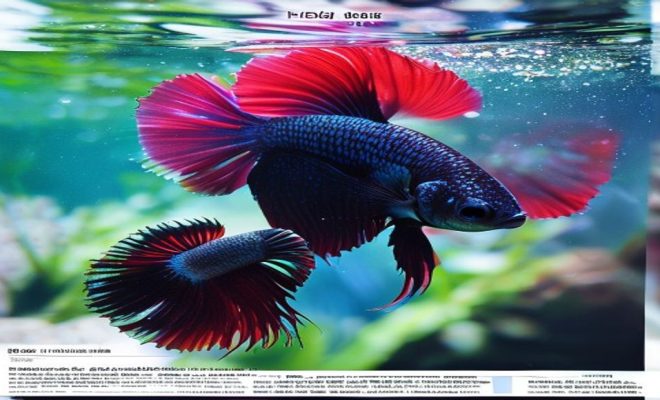
Betta fish, or Betta splendens, are known for their vibrant colors and flowing fins, making them a popular choice among aquarists worldwide. Native to the shallow waters of Southeast Asia, particularly Thailand, these fish thrive in warmer, softer waters. Bettas are labyrinth fish, meaning they possess a specialized organ that allows them to breathe oxygen from the air. This trait contributes significantly to their adaptability, but it also informs some of the specific care requirements that potential owners should understand.
These fish exhibit a range of colors and fin types, which have been bred selectively over generations. This selective breeding has not only enhanced their beauty but also made them more susceptible to certain health issues. Understanding their background and natural habitat is crucial for anyone committed to responsible betta fish care.
Additionally, it’s worth noting that betta fish come in various breeds, each with distinct characteristics. For example, the Halfmoon betta is known for its large tail fin that resembles a half-moon when fully flared, while the Crowntail betta features spiky fins that give it a unique appearance. Each breed has its own care nuances, so research into specific types can further enhance your understanding and ability to provide the best environment for your betta.
2. Setting Up the Perfect Aquarium: Environment Essentials
Creating the ideal environment for your betta is vital for their health and happiness. Start with an aquarium that holds at least five gallons of water. Smaller tanks are often inadequate for their needs, leading to stress and health problems. Bettas prefer calm waters, so avoid strong filters or currents; a sponge filter can provide gentle filtration without disturbing the fish.
Aquarium decorations should include plants and hiding spots, like caves or driftwood, where your betta can explore and retreat when they feel stressed. Live plants are particularly beneficial, as they help oxygenate the water and can provide a more natural habitat. It’s essential to keep the water temperature between 76°F and 82°F (24°C to 28°C) and maintain a pH level between 6.5 and 7.5. Regular water changes of 25-50% every week will also help maintain water quality.
When setting up your aquarium, consider using a substrate that mimics their natural habitat. Soft gravel or sand is ideal as it won’t damage their delicate fins. Additionally, incorporating natural elements like Indian almond leaves can help replicate their native environment while providing health benefits, such as anti-fungal properties.
One crucial aspect often overlooked is the aquarium’s lighting. Bettas benefit from a consistent light cycle, typically 8 to 12 hours of light per day. Too much light can lead to stress and algae growth, while too little can affect their activity levels. Use LED lighting, which is energy-efficient and can be adjusted in intensity to create a comfortable environment for your betta.
3. Water Quality and Maintenance: Key Components of Betta Fish Care
Water quality is a critical aspect of betta fish care. Ammonia, nitrites, and nitrates should be regularly monitored using a reliable test kit. Ammonia and nitrite levels must be at zero, while nitrates should be kept below 20 ppm. High levels of these substances can lead to stress and illnesses like fin rot or swim bladder disease.
It’s also crucial to condition your tap water before adding it to the aquarium. Use a water conditioner that removes chlorine and chloramines, ensuring a safe environment for your betta. Regular water changes and substrate cleaning can help keep toxins at bay, but be cautious not to disturb beneficial bacteria in the filter and substrate.
In addition to routine maintenance, it’s important to have a contingency plan for water changes during emergencies or unforeseen circumstances. For instance, if you face a power outage, consider keeping a battery-operated air pump to maintain oxygen levels in the tank. Always have a backup water source ready, such as bottled spring water or pre-treated tap water, to ensure you’re prepared.
Another best practice is to use an aquarium heater with a thermostat. Bettas are sensitive to temperature fluctuations, and maintaining a stable environment is crucial. Make sure to regularly check the temperature with a reliable thermometer. A sudden drop or rise in temperature can stress your betta and make them more susceptible to disease.
4. Feeding Your Betta Fish: Nutrition and Diet
Feeding is another major aspect of betta fish care. Bettas are carnivorous and thrive on a protein-rich diet. High-quality betta pellets should be the cornerstone of their nutrition, supplemented with frozen or live food such as brine shrimp, daphnia, or bloodworms. These protein sources are not only nutritionally beneficial but also stimulate natural hunting behaviors.
Be cautious about overfeeding; a good rule of thumb is to feed your betta two to three pellets once or twice daily. If you’re offering freeze-dried or live food, limit it to the same amount to prevent digestive issues. Additionally, ensure a fasting day once a week to allow your betta to clear their system, which can also help prevent constipation. (See: Wikipedia page on Betta fish.)
To enrich their diet, consider incorporating high-quality freeze-dried or gel-based foods that specifically cater to bettas. Studies have shown that varied diets can improve the overall health and coloration of bettas, enhancing their display during feeding times. You might also experiment with small quantities of vegetarian options, like blanched peas, to provide fiber, but these should be offered sparingly.
Incorporating feeding routines can also enhance your betta’s mental stimulation. Try using feeding rings or floating feeders that allow your betta to engage in its natural hunting behavior. This not only enriches their diet but also keeps them mentally active and reduces boredom in their environment.
5. Recognizing Signs of Illness: Betta Health and Troubleshooting
Even with the best betta fish care practices, your fish may encounter health issues. Common signs of illness include changes in appetite, lethargy, abnormal swimming patterns, or visible signs like discoloration or lesions. Conditions such as fin rot, ich, and velvet can affect even the healthiest bettas, often due to poor water quality or stress.
When you notice any concerning symptoms, prompt action is critical. Quarantine affected fish in a separate tank to prevent the spread of disease. Treatment options vary depending on the illness, but many can be addressed with over-the-counter medications. Regularly observing your betta can help catch issues early, ensuring a healthier and longer life for your fish.
It’s also beneficial to familiarize yourself with common diseases and their treatments. For example, ich is often treated with raised water temperatures and appropriate medications, while fin rot may require a combination of water quality improvements and antibacterial treatments. Keeping a record of your betta’s health and any treatments can help you identify patterns and better manage their care.
Another important aspect of betta health is stress management. Bettas can be sensitive to their environment, and changes such as moving to a new tank, introducing new tank mates, or even loud noises can cause stress. Providing a stable environment, along with plenty of hiding spots, can significantly reduce stress levels and promote a healthier betta.
6. Social Interactions and Tank Mates: Finding the Right Companions
Bettas are famous for their aggressive behavior, particularly males. They should never be housed together unless they are breeding. When it comes to selecting tank mates, you should choose peaceful species that can thrive in similar water conditions. Suitable companions include snails, shrimps, and certain types of tetras.
When introducing tank mates, monitor the interactions closely to avoid stress or aggression. Providing plenty of hiding spaces can help reduce territorial disputes. Remember, overcrowding can lead to stress and unhealthy competition for resources, so be sure to consider the size of your aquarium and the number of fish you plan to keep.
Interestingly, female bettas can also exhibit aggressive behavior, especially in small spaces. It’s advisable to keep them in groups of three or more to diffuse aggression, but only in a tank large enough to accommodate them comfortably. Before adding any new fish, research compatibility thoroughly to ensure a harmonious community tank.
It’s also wise to introduce new tank mates gradually. Consider using a separate quarantine tank for new arrivals to monitor their health and behavior before adding them to the main aquarium. This not only helps to prevent the introduction of diseases but also allows your betta time to adjust to the changes in its environment.
7. Breeding Betta Fish: A Comprehensive Overview
If you’re interested in breeding bettas, it’s essential to understand the process, which can be intricate. Successful breeding requires a separate breeding tank, where the male can build a bubble nest. Once the female is introduced and the two fish have mated, the male will care for the eggs, which typically hatch within 24-36 hours.
After the fry hatch, they will rely on their yolk sacs for nourishment for the first few days. Once they swim freely, you can start feeding them infusoria or specialized fry food. Keep in mind that breeding bettas can lead to many fry, which will require their own space as they grow to prevent aggression and fighting.
Furthermore, it’s important to prepare for the physical and emotional demands of breeding. You should have separate tanks ready for the fry as they grow, along with a plan for their care and feeding. As fry mature, they will need to be separated based on gender to prevent breeding and aggression. This process can be both rewarding and challenging; staying informed will enhance your success in breeding.
One key aspect of breeding is ensuring the health of both the male and female bettas prior to breeding. It’s advisable to condition them with high-quality foods for at least a week before introducing them. This conditioning phase helps prepare the fish physically for the breeding process, increasing the likelihood of successful mating and healthy offspring.
8. Understanding Betta Behavior: A Window into Their World
Betta fish are known for their unique behaviors, which can be fascinating to observe. They display signs of curiosity, often swimming up to the tank’s front when you approach. Bettas also have distinct personalities; some may be more adventurous, while others might be shy and reserved. Understanding these behaviors can help you provide a better environment tailored to your betta’s needs.
Additionally, it’s essential to recognize signs of stress in your fish. Common indicators include rapid gill movement, hiding, or excessive darting around the tank. Identifying these behaviors early can be crucial to preventing serious health issues and ensuring your betta thrives. (See: CDC guidelines on aquarium health.)
Another interesting aspect of betta behavior is their response to environmental changes. They can become stressed by sudden shifts in water temperature, lighting, or tank mates. Keeping a consistent routine and making gradual changes will help your betta feel secure. You might even notice them responding to your presence, learning to associate you with feeding times and care.
Additionally, bettas can exhibit playful behaviors, such as jumping out of the water when they see you or interacting with objects in their tank. Providing varied enrichment, such as floating toys or mirrors (used sparingly), can stimulate their curiosity and keep them engaged. Understanding their behavioral traits not only enhances your betta’s environment but also strengthens the bond between you and your fish.
9. Common Myths About Betta Fish Care: What You Should Know
There are many myths surrounding betta fish care that can lead to poor decisions for their wellbeing. One prevalent myth is that bettas can live happily in small bowls or vases. This misconception stems from their ability to survive in low-oxygen environments, but it does not mean they thrive in such conditions. Bettas require space, clean water, and proper filtration to be healthy.
Another common myth is that bettas can coexist peacefully with other species in any tank. While some tank mates can work, the majority of fish can provoke aggression in bettas, particularly males. Understanding their territorial nature is essential in making informed decisions about their living arrangements.
Lastly, many people believe that male bettas will display aggression only towards other males. In reality, even female bettas can be territorial, and aggression can occur regardless of the fish’s gender. Always do your research before introducing any new fish to an existing betta tank.
Lastly, some believe that bettas don’t need much care because they’re hardy fish. While it’s true they can survive in less-than-ideal conditions, adequate care is essential to ensure a vibrant and healthy life. Regular maintenance, optimal feeding, and understanding their behavioral needs are paramount for the well-being of your betta fish.
10. FAQ: Betta Fish Care
Q1: How often should I feed my betta fish?
A: It’s recommended to feed your betta 2-3 pellets once or twice a day. Incorporate fasting days to prevent digestive issues.
Q2: Can I keep bettas in a community tank?
A: Yes, but carefully select peaceful tank mates and provide plenty of hiding spots to minimize aggression. Avoid keeping multiple males together.
Q3: What is the ideal tank size for a betta fish?
A: A tank of at least five gallons is ideal for a betta fish. Larger tanks offer better stability in water parameters and more space to swim.
Q4: How do I introduce new fish to a betta tank?
A: Introduce new fish gradually, monitor interactions closely for signs of aggression, and ensure there are enough hiding spots for all fish.
Q5: What are the common signs of betta illness?
A: Look for changes in appetite, lethargy, discoloration, lesions, or abnormal swimming patterns. Quick identification can help in treatment.
Q6: Can I breed bettas in the same tank?
A: No, breeding should be conducted in a separate tank to prevent aggression and to give the male a space to build a bubble nest. (See: Scientific study on Betta fish behavior.)
Q7: How can I maintain water quality in my betta tank?
A: Regular water changes, using a good quality filter, and monitoring ammonia, nitrite, and nitrate levels are key to maintaining water quality.
Q8: Do bettas require a heater?
A: Yes, bettas thrive in warmer water conditions, ideally between 76°F and 82°F. A heater is important in maintaining a stable temperature.
Q9: How can I tell if my betta is happy?
A: A happy betta will actively swim around the tank, display vibrant colors, and interact with their environment. Look for signs of curiosity and exploration.
Q10: What should I do if my betta is acting strange?
A: If your betta shows unusual behavior, check water parameters, look for signs of illness, and consider any environmental changes that may have stressed them.
Q11: How can I improve my betta’s coloration?
A: Feeding a varied and high-quality diet, ensuring proper water conditions, and minimizing stress can all contribute to vibrant colors in your betta. Regular exposure to natural light can also enhance their appearance.
Q12: Are there any specific plants that are best for betta tanks?
A: Yes, plants like Java fern, Anubias, and Amazon sword are excellent choices. They provide hiding spots and contribute to water quality without damaging your betta’s fins.
Q13: How can I tell the difference between male and female bettas?
A: Male bettas are typically more colorful and have larger fins, while females are smaller and less colorful. Males also have a more aggressive demeanor compared to females.
Q14: Is it safe to use aquarium salt with bettas?
A: Yes, aquarium salt can be beneficial in small amounts for treating certain illnesses, but it should be used sparingly and not as a regular treatment, as bettas can be sensitive to salt levels.
Q15: How do I know if my betta is bored?
A: Signs of boredom can include lethargy, lack of interest in food, or repetitive swimming patterns. Providing enrichment, such as toys or new decorations, can help keep your betta engaged.
11. Conclusion: Committing to Responsible Betta Fish Care
In summary, betta fish care requires a commitment to understanding their needs and providing an optimal environment. From setting up a spacious aquarium to maintaining water quality, feeding a nutritious diet, and recognizing signs of distress, every detail matters. By investing time and effort into their care, you can ensure these beautiful fish lead long, healthy lives while enriching your own through their vibrant presence.
“`
Trending Now
Frequently Asked Questions
What do betta fish need to thrive?
Betta fish thrive in a warm environment with soft, clean water. They require a minimum of a five-gallon aquarium with gentle filtration to avoid strong currents. Additionally, adding plants and hiding spots can help create a stimulating and comfortable habitat.
How often should I feed my betta fish?
Feed your betta fish once or twice a day, offering only what they can consume in about two minutes. A varied diet of high-quality pellets, frozen or live foods will help maintain their health and vibrant colors.
What is the ideal water temperature for betta fish?
The ideal water temperature for betta fish is between 76°F to 82°F (24°C to 28°C). Maintaining this temperature range is crucial for their metabolism and overall well-being.
Can betta fish live with other fish?
Betta fish can live with other fish, but caution is necessary. They are territorial and may become aggressive, especially towards similar-looking species. It's best to choose peaceful tank mates and ensure enough space and hiding spots.
How can I tell if my betta fish is healthy?
A healthy betta fish displays vibrant colors, active swimming, and clear eyes. Signs of illness include faded colors, lethargy, or unusual swimming patterns. Regular monitoring and proper care can help prevent health issues.
Agree or disagree? Drop a comment and tell us what you think.