Master Drain Snaking: Clear Clogs Like a Pro!
“`html
Dealing with a clogged drain can be one of the most frustrating home maintenance tasks. Whether it’s in the kitchen or bathroom, understanding how to snake a drain is a valuable skill that can save you time and money. This article will guide you through the process, offering essential tips and insights to help you tackle clogs like a pro.
1. Understanding the Basics of Drain Snaking
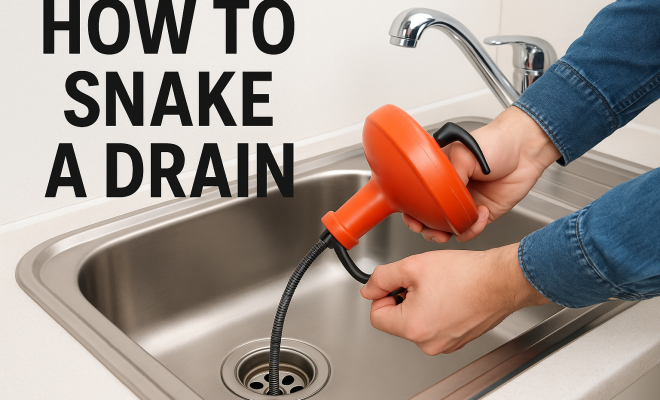
Before we jump into the actual process of snaking a drain, it’s crucial to understand what it entails. A drain snake, also known as a plumbing snake or auger, is a long, flexible tool designed to remove obstructions from pipes.
The snaking mechanism works by using a coiled wire that can navigate through bends in your plumbing. It’s capable of breaking apart clogs caused by hair, grease, soap residue, and other debris. Knowing how to use this tool can prove invaluable for homeowners.
2. Gathering Your Tools
To successfully snake a drain, you’ll need the right tools. Here’s a quick list of what you’ll want to have on hand:
- Drain snake (manual or electric)
- Protective gloves
- Bucket or container
- Plumber’s tape
- Flashlight
- Old towels
While you can rent a commercial snake from a hardware store, many homeowners find that a standard manual snake is effective for most household clogs. Consider the type of clog you’re facing; more complex blockages may require a professional-grade tool.
3. Preparing the Area
Before you start snaking your drain, it’s essential to prepare the area. Clear any items from around the sink or drain you’re working on. Lay down old towels or a plastic sheet to catch any water or debris that might spill out during the process.
Next, make sure the plumbing is accessible. If you have a sink trap or P-trap, you’ll want to remove it to gain better access to the drain line. This step may involve unscrewing some fittings, so having a wrench handy can be beneficial.
4. Inserting the Snake
Once the area is prepared and the trap is removed, it’s time to insert the snake. If you’re using a manual snake, begin by feeding the coiled end into the drain. For an electric snake, attach the appropriate drill bit and gently insert it into the pipe.
As you push the snake deeper into the drain, you’ll feel resistance when you encounter the clog. Be patient and avoid forcing it, as this could damage the pipe. Instead, rotate the snake carefully, allowing it to grip and break up the blockage.
5. Removing the Clog
Once you’ve made contact with the obstruction, the next step is to remove it. Depending on the severity of the clog, you may need to twist and turn the snake to break it apart. This process can take a few minutes, and it’s crucial to stay within the pipe’s limits to avoid damaging it. (See: Plumbing snake overview on Wikipedia.)
After you feel the clog has been broken, slowly retract the snake while continuing to turn it. This will help pull any lingering debris along with it. Be prepared for the potential mess, as accumulated gunk may follow the snake back out.
6. Flushing the Drain
With the clog removed, it’s time to flush the drain. Run hot water through the pipe for several minutes to wash away any remaining debris. For an added boost, you can pour a mixture of vinegar and baking soda down the drain, which can help break down residual buildup.
Monitoring how water flows down the drain after this step is essential. If you still notice slow drainage or blockages, you may need to repeat the snaking process or consider other plumbing solutions.
7. When to Call a Professional
While knowing how to snake a drain can save you money on plumbing fees, it’s important to recognize when a problem is beyond your expertise. If you find that multiple attempts to snake the drain are unsuccessful or if you encounter consistent issues, it might be time to call in a professional plumber.
Persistent clogs can indicate deeper issues in your plumbing system, such as tree root intrusions or severe pipe damage. A professional can conduct a thorough inspection and provide solutions that are safe and effective.
8. Common Causes of Clogged Drains
Understanding the common culprits behind clogged drains can help you prevent future issues. Here are some frequent causes:
- Hair: One of the most common offenders, particularly in bathroom sinks and shower drains.
- Food Waste: In kitchen sinks, improper disposal of food can lead to clogs. Always use a strainer to catch large pieces.
- Grease: Pouring fats, oils, or grease down the drain can solidify and create blockages.
- Soap Scum: Soap residue can combine with minerals in the water to form a stubborn buildup.
- Foreign Objects: Things like toys, toothbrushes, or other small items can accidentally fall into drains, causing major problems.
By being mindful of these factors, you can take proactive steps to maintain your plumbing and reduce the likelihood of clogs.
9. Preventive Measures for Clogged Drains
Once you’ve tackled a clog, the last thing you want is for it to happen again. Here are some effective tips to keep your drains clear:
- Regular Maintenance: Schedule regular snaking or cleaning of your drains to prevent buildup over time.
- Use Drain Screens: Install screens or strainers in your sinks and tubs to catch debris before it enters the drain.
- Hot Water Flushes: Periodically run hot water down your drains to help dissolve any buildup.
- Avoid Chemical Drain Cleaners: While they may work temporarily, they can damage your pipes and lead to more significant problems.
- Educate Family Members: Make sure everyone in your household understands what can go down the drain and what should be kept out.
10. Advanced Snaking Techniques
Once you’re comfortable with the basics of snaking a drain, you may want to explore advanced techniques that can help with tougher clogs:
- Hydro Jetting: This method uses high-pressure water jets to clear severe blockages. It’s especially useful for larger pipes and deep-rooted clogs.
- Use of Attachments: Depending on your snake type, you may have attachments that can help tackle different types of obstructions, such as a claw or a cutting head.
- Inspecting with a Camera: Professional plumbers often use cameras to inspect pipes. If you’re struggling with persistent issues, a camera inspection can identify underlying problems.
These advanced techniques may require professional training or equipment, so consider your comfort level and ability before attempting them.
11. Understanding Plumbing Systems
A basic understanding of your home’s plumbing system can aid you significantly when snaking a drain. Here are some key components to be aware of: (See: CDC guidelines on cleaning drains.)
- Drainage Pipes: These pipes carry wastewater away from your sinks, showers, and toilets. Knowing the layout of your home’s drainage system can help you better target your snaking efforts.
- Vent Pipes: These pipes allow air to enter the plumbing system, which helps prevent vacuums that can lead to slow drainage.
- P-Trap: This U-shaped pipe under sinks prevents sewer gases from entering your home. It’s often where clogs accumulate, making it the first place to check.
Understanding these elements can help you navigate your plumbing more effectively and know where to focus your efforts.
12. FAQs About Snaking Drains
Q: How often should I snake my drains?
A: It depends on usage, but if you notice slow drainage or frequent clogs, consider snaking your drains at least once a year.
Q: Can I snake a drain without removing the P-trap?
A: Yes, you can snake a drain without removing the P-trap, but having it off allows for better access and fewer obstructions.
Q: Is it safe to use a drain snake on all types of pipes?
A: Most pipes can handle a drain snake, but old or fragile pipes may be at risk for damage. Always proceed with caution and consider consulting a professional for older systems.
Q: What should I do if the clog persists after snaking?
A: If snaking doesn’t resolve the issue, consider using a hydro jetting service or contacting a plumber for a more thorough inspection.
Q: Are there any natural alternatives to chemical drain cleaners?
A: Yes! A mixture of baking soda and vinegar can help break down minor clogs. Pour the baking soda down the drain, followed by vinegar, let it sit for a while, and then flush with hot water.
13. Understanding Different Types of Drain Snakes
When it comes to snaking a drain, not all snakes are created equal. Depending on your specific needs, you may want to consider different types of drain snakes:
- Manual Drain Snake: Typically, this is a long, flexible cable that you can manually feed into the drain. They are cost-effective and ideal for small clogs.
- Power Auger: Electric augers are more powerful and can reach deeper clogs. They require a bit of practice to operate effectively.
- Toilet Auger: Specifically designed for toilets, these augers have a specialized head that can navigate the toilet’s trapway.
- Drain Cleaning Machine: This is a heavy-duty option often used by professionals. It can tackle severe blockages in larger pipes and sewer lines.
Choosing the right type of snake can make a significant difference in your success rate, so consider what you’re dealing with before making a selection.
14. Statistics on Clogged Drains
Understanding the prevalence and impact of clogged drains can help underline the importance of knowing how to address them:
- According to the American Institute of Plumbing Engineers, approximately 15% of all plumbing issues reported are related to clogged drains.
- A survey by the National Association of Home Builders found that plumbing issues, including clogs, are among the top three most common home repairs.
- On average, homeowners spend about $300 annually on plumbing services, and many of these costs stem from clogged drains.
These statistics highlight the significance of proper drain maintenance and the need for homeowners to be proactive in their plumbing care. (See: New York Times guide to unclogging drains.)
15. Environmental Impact of Drain Maintenance
It’s essential to consider the environmental implications of your plumbing practices. Many commercial drain cleaners contain harsh chemicals that can harm aquatic life and contaminate water supplies. By learning how to snake a drain effectively, you can avoid these chemicals and their negative impact on the environment.
Opting for natural alternatives, like vinegar and baking soda, not only protects your plumbing but also minimizes your ecological footprint. Additionally, ensuring that your drains are clear can help maintain the local water table and reduce the risk of pollution from backed-up sewage systems.
16. Tips for DIY Plumbing Beyond Snaking
While knowing how to snake a drain is a great skill, there are other DIY plumbing tips that can help maintain your home:
- Regular Inspection: Periodically check your plumbing for leaks or unusual sounds. Early detection can save you from more significant problems.
- Know Your Shut-Off Valves: Familiarize yourself with the location of your water shut-off valves to quickly respond to any emergencies.
- Maintain Your Water Heater: Regularly flush your water heater to remove sediment buildup and improve its efficiency.
- Educate Yourself: Take time to learn about your plumbing system. Many resources are available, from online tutorials to local workshops.
These additional tips can empower you to take better care of your plumbing system, ensuring it runs smoothly for years to come.
17. When DIY Might Not Be Enough
It’s fantastic to take on home maintenance tasks like snaking a drain, but there are times when the issue at hand is too complex, or your efforts aren’t yielding results. Here are some signs that it might be time to step back and call in the professionals:
- Multiple Clogs: If you’re experiencing clogs in multiple drains, this could indicate a blockage further down in your plumbing system.
- Slow Draining Across the House: Slow drainage in sinks, tubs, and toilets may point to a bigger issue, such as a main sewer line blockage.
- Strange Noises or Odors: Unusual sounds or foul smells from your plumbing can signal deeper problems that require a professional’s attention.
- Frequent Backups: If you find yourself snaking your drains frequently, it’s time to assess the underlying cause rather than treating the symptoms.
Knowing when to ask for help can save you time, money, and potential property damage.
18. Conclusion: Mastering the Art of Drain Snaking
Learning how to snake a drain effectively is a handy skill for any homeowner. By understanding the basics, gathering the right tools, and following the proper techniques, you can tackle most common clogs with confidence. Remember to stay patient throughout the process and don’t hesitate to seek professional help if the problems persist. Armed with this knowledge, you’re now equipped to take on your plumbing issues with ease!
“`
Trending Now
Frequently Asked Questions
How do you use a drain snake?
To use a drain snake, first gather your tools, including the snake itself and protective gloves. Prepare the area by clearing items and laying down towels. Insert the snake into the drain, turning it to navigate through the pipes and break apart clogs caused by debris like hair or grease.
What tools do I need to snake a drain?
To effectively snake a drain, you will need a drain snake (manual or electric), protective gloves, a bucket or container, plumber’s tape, a flashlight, and old towels to catch any spills. These tools will help you tackle most household clogs efficiently.
Can you snake a drain without removing the trap?
While you can attempt to snake a drain without removing the trap, it is often more effective to do so. Removing the P-trap allows for better access to the drain line, making it easier to navigate the snake and clear the clog.
What is a drain snake used for?
A drain snake, also known as a plumbing snake or auger, is used to remove obstructions from pipes. It can effectively break apart clogs caused by hair, grease, soap residue, and other debris, making it an essential tool for home maintenance.
Is it better to rent or buy a drain snake?
For most household clogs, a standard manual drain snake is sufficient and can be purchased at a reasonable price. However, if you frequently encounter severe blockages, renting a commercial-grade snake from a hardware store may be a better option for more complex situations.
What did we miss? Let us know in the comments and join the conversation.