Adaptive Fashion for Disabled Women: Challenging Industry Norms
“`html
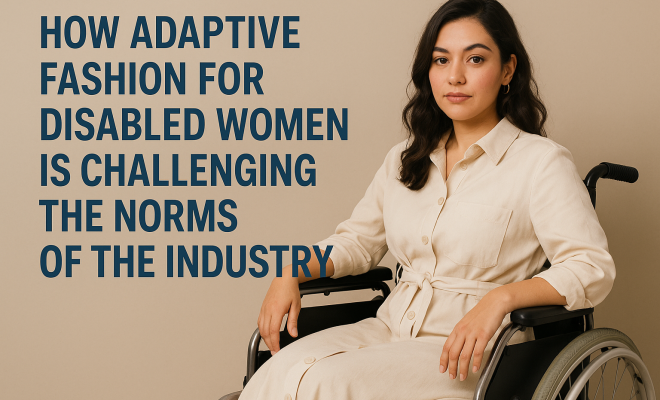
The fashion industry has long been criticized for its lack of inclusivity, particularly for marginalized groups. Among these, disabled women, especially disabled Muslim women, face unique and often overlooked challenges when it comes to clothing and representation. With the rise of adaptive fashion for disabled women, a change seems to be on the horizon. Yet, is this change sufficient? Can it truly address the multifaceted issues of identity, accessibility, and representation? Let’s explore the current landscape of adaptive fashion and what it means for disabled women today.
The Current State of Fashion for Disabled Women
Despite an increasing awareness around diversity and inclusion, many disabled women feel sidelined by the mainstream fashion industry. Traditional fashion often overlooks their needs, resulting in a lack of options that are both stylish and functional. This scarcity can be particularly pronounced for disabled Muslim women, who must navigate additional layers of cultural and religious expectations, such as modesty and specific attire requirements.
For instance, many disabled women require adaptive features in clothing, such as easy closures, adjustable fits, and fabrics that accommodate various disabilities. Yet, these features are rarely seen in women’s fashion collections, particularly those marketed toward Muslim women. As a result, many find themselves either compromising on style or comfort, which should never be the case.
Identity and the Intersectionality of Fashion
Fashion is not just about clothing; it’s an expression of identity. For disabled women, the fashion choices available to them can significantly impact their self-esteem and how they are perceived in society. When the fashion industry fails to represent them, it sends a message that their identities are not valued. This is particularly acute for disabled Muslim women, who often face a double burden of exclusion—one from the general fashion realm and another from the modest fashion industry, which often overlooks their specific needs.
Adaptive fashion for disabled women aims to change this narrative. By focusing on the unique challenges faced by disabled individuals, adaptive brands emphasize that fashion should be inclusive, regardless of ability, race, or religious affiliation. It’s essential for the industry to recognize that identity is multifaceted, and so too should be the clothing options available.
A Glimpse into Adaptive Fashion Initiatives
In recent years, several brands have emerged that specifically cater to the needs of disabled women. For example, brands like ASOS and Zappos have expanded their lines to include adaptive clothing, while independent designers are also stepping up to fill the gaps. These brands often incorporate feedback from disabled women themselves, ensuring that the final products truly address their needs.
Moreover, initiatives such as FASHIONABLE and Roux are leading the charge in creating fashionable, functional clothing options that don’t sacrifice style for accessibility. These brands focus on practical design features while also considering current trends, allowing disabled women to express their individuality through their clothing choices.
Challenges Faced by Adaptive Fashion Brands
Even with the positive momentum created by adaptive fashion for disabled women, significant challenges remain. One of the largest hurdles is the industry’s slow pace of change. Mainstream brands often prioritize profits over inclusivity, leading to token efforts rather than true representations of diversity.
Furthermore, the cost of adaptive clothing can be prohibitive. Many brands that cater to disabled individuals often come with higher price tags due to the specialized nature of the clothing. This can deter potential consumers who are already navigating financial hardships related to their disabilities. The industry must find a way to make adaptive fashion accessible—not just in terms of style, but also in terms of affordability.
The Role of Social Media in Raising Awareness
Social media has proven to be a powerful tool in advocating for adaptive fashion for disabled women. Platforms like Instagram and TikTok allow individuals to share their personal stories and experiences, creating a community that highlights the need for more inclusive clothing options. When disabled women showcase their adaptive outfits online, they not only inspire others but also raise consciousness about the lack of representation in fashion. (See: Disability and health facts.)
Hashtags such as #AdaptiveFashion and #DisabilityFashion have gained traction, encouraging brands to reconsider their offerings. As more influencers and everyday people share their experiences, the pressure is on the fashion industry to listen and respond.
The Importance of Representation in Fashion
Representation goes beyond just providing clothing options; it also involves showcasing disabled women in fashion campaigns and runway shows. Unfortunately, the absence of disabled models in advertising perpetuates the idea that disability is something to be hidden or ashamed of. When the industry embraces diversity at all levels, it sends a powerful message that all bodies and identities deserve to be celebrated.
Some brands are beginning to recognize this need. For instance, the Fashion Revolution initiative encourages brands to include disabled models in their marketing efforts. This is not just about aesthetics; it’s about fostering a culture of inclusivity that champions representation across the board.
Consumer Demand for Change
As awareness of adaptive fashion grows, so does consumer demand for change. More individuals are calling out brands that fail to provide options for disabled women, using social media as a platform for their frustrations. This outcry is hard to ignore, especially as younger generations increasingly prioritize social responsibility in their purchasing decisions.
Brands that ignore this shift risk alienating a significant portion of potential customers. Companies focusing on adaptive fashion for disabled women not only tap into an underserved market but also demonstrate their commitment to inclusivity and social justice.
Success Stories in Adaptive Fashion
Amidst the challenges, there are success stories that provide a glimmer of hope. Brands like American Eagle and UnTuckit have introduced adaptive clothing lines that prioritize both style and accessibility. They’ve gained positive attention for their efforts, proving that it is possible to create fashionable, inclusive options without sacrificing quality or aesthetics.
This success encourages other brands to look at adaptive fashion for disabled women as an opportunity rather than a burden. By being responsive to the needs of disabled individuals, brands can also enhance their own reputations and reach new audiences.
Looking Forward: The Future of Adaptive Fashion
The future of adaptive fashion for disabled women is rich with potential. As technology advances, so do the possibilities for innovative designs that cater to a diverse audience. Features like smart fabrics that adapt to body temperature or clothing equipped with assistive technology provide exciting opportunities for the industry.
The key, however, lies in collaboration. By bringing together designers, disabled individuals, and advocates, the fashion industry can create a more inclusive environment that prioritizes the needs of all consumers. With collaborative efforts, adaptive fashion can move from being a niche market to a standard consideration in fashion design.
Final Thoughts: A Call to Action
The conversation around adaptive fashion for disabled women is gaining traction, but it needs to be amplified. The fashion industry must recognize that inclusivity is not just a trend; it’s a necessity. As consumers, we have the power to demand change by supporting brands that prioritize accessibility and representation.
By sharing our stories, calling out exclusionary practices, and advocating for adaptive fashion, we can create a landscape where disabled women are no longer an afterthought in the world of fashion. It’s time to embrace diversity, celebrate individuality, and ensure that everyone has access to fashion that reflects their identity and meets their needs. (See: Understanding disability and health.)
Deeper Dive into Adaptive Fashion Trends
Adaptive fashion is not a monolith; it encompasses a wide range of styles, materials, and design philosophies. Some emerging trends within this niche include:
- Modular Clothing: This trend focuses on clothing that can be adapted for different uses or styles, allowing for versatility. For instance, a dress might feature removable sleeves or adjustable hemlines, catering to the varying needs of disabled women.
- Smart Fabrics: Advances in textile technology are leading to the creation of fabrics that can adapt to different conditions. For example, some garments might change their properties based on the wearer’s temperature, ensuring comfort throughout the day.
- Sustainable and Ethical Fashion: There’s a growing movement towards sustainable fashion, which includes adaptive clothing. Brands that prioritize eco-friendly practices not only appeal to environmentally conscious consumers but also show that inclusivity and sustainability can go hand-in-hand.
- Fashionable Assistive Devices: Another trend is the integration of assistive devices into everyday wear. For example, stylish braces, adaptive shoes, or even fashionable crutches are becoming more common, helping to normalize the presence of disability in fashion.
The Role of Community Feedback
Community feedback plays a crucial role in shaping adaptive fashion. Many brands are now actively seeking input from disabled women to inform their designs. This collaboration fosters a sense of ownership and empowerment, allowing disabled women to influence the market directly. Initiatives like focus groups, surveys, and social media polls are becoming standard practice for many adaptive fashion lines.
One notable example is the collaboration between Zappos and various disability advocacy groups, where the brand actively sought input on their adaptive shoe designs. This dialogue not only improved product functionality but also built trust and loyalty within the disabled community.
Statistics Highlighting the Need for Adaptive Fashion
Statistics paint a compelling picture of the need for adaptive fashion. According to a 2021 report by the U.S. Census Bureau, approximately 26% of adults in the United States have some form of disability. Furthermore, a survey by OpenStyleLab found that 70% of disabled individuals feel that their clothing options are limited. This data underscores that the demand for stylish and functional clothing is not just a niche market but a significant demographic that demands attention.
In addition, a report from the Fashion Institute of Technology states that the market for adaptive apparel is projected to reach $400 billion by 2026, highlighting both the growing interest and the urgent need for more options. These statistics show that adaptive fashion is not only necessary for social equity but also a lucrative business opportunity for brands willing to innovate.
Examples of Successful Adaptive Fashion Brands
Several brands have emerged as champions of adaptive fashion for disabled women. Here are a few notable examples:
- Target’s Adaptive Line: Target has made a strong commitment to inclusivity by launching a line that caters specifically to children and adults with disabilities. Their clothing features sensory-friendly options, such as tagless labels and adjustable fits, making them easier for individuals to wear.
- Billie: This shaving brand has entered the adaptive market by designing razors specifically for individuals with disabilities. They offer ergonomic handles and flexible blades, demonstrating that adaptive design can extend beyond traditional clothing.
- Tommy Hilfiger: The brand has launched an adaptive clothing line featuring pieces designed for individuals with disabilities, including easy closures and adjustable elements. Their runway shows have also featured models with disabilities, making a strong statement about representation.
- Universal Standard: Known for its commitment to size inclusivity, Universal Standard has also ventured into adaptive fashion, offering stylish pieces that maintain the same aesthetic appeal for those needing adaptive design features.
Expert Perspectives on Adaptive Fashion
Industry experts and advocates offer compelling insights into the future of adaptive fashion. According to Dr. Karen P. Flaherty, a fashion sociologist, “The adaptive fashion industry is at a pivotal moment. As more brands recognize the importance of inclusivity, we will see a shift in how fashion is conceptualized — moving from a one-size-fits-all approach to one that celebrates individuality.”
Additionally, Maya Johnson, a disability rights advocate, emphasizes that “Adaptive fashion isn’t just functional; it is an essential part of self-expression for disabled women. The more we can empower them through clothing, the more we uplift their voices in society.”
Fashion designer Isabella Simoes highlights the importance of visibility in her work, stating, “I design with the intention of not only providing adaptive features but also making sure that the garments I create are visually appealing. It’s important to show that disabled women can be fashionable while also meeting their specific needs.” (See: The rise of adaptive fashion.)
FAQs About Adaptive Fashion for Disabled Women
What is adaptive fashion?
Adaptive fashion refers to clothing designed specifically for individuals with disabilities. It often features modifications such as easy closures, adjustable fits, and sensory-friendly materials to ensure comfort and accessibility.
Why is adaptive fashion important for disabled women?
Adaptive fashion is crucial for disabled women as it promotes inclusivity, self-expression, and comfort. It helps to break down societal barriers and stigma associated with disabilities, allowing women to feel confident and empowered.
Are there affordable options for adaptive fashion?
Yes, while some adaptive clothing can be expensive due to specialized design, there are affordable options available. Many mainstream brands are beginning to offer adaptive lines at various price points, and there are also independent designers who focus on affordability.
How can I support adaptive fashion brands?
You can support adaptive fashion brands by purchasing their products, sharing about them on social media, and advocating for their inclusion in mainstream conversations around fashion. Additionally, providing feedback to brands can help them improve their offerings.
What does the future hold for adaptive fashion?
The future for adaptive fashion looks promising. As consumer demand increases and technology continues to evolve, we can expect to see more innovative designs and a greater commitment to inclusivity across the fashion industry.
How do I find adaptive fashion brands?
Finding adaptive fashion brands can start with online searches and social media platforms. Websites like OpenStyleLab and Fashionista often highlight adaptive brands, and community forums can provide recommendations. Attending fashion shows focused on inclusivity and adaptive design is another great way to discover new brands.
Can adaptive fashion be stylish?
Absolutely! Adaptive fashion is increasingly being recognized for its stylish offerings. Many adaptive fashion brands focus on combining functionality with trendy designs, ensuring that disabled women have access to clothing that not only meets their needs but also reflects their personal style.
“`
Trending Now
Frequently Asked Questions
What is adaptive fashion for disabled women?
Adaptive fashion for disabled women refers to clothing designed to accommodate various disabilities, focusing on functionality and accessibility without sacrificing style. This includes features like easy closures, adjustable fits, and suitable fabrics that cater to the unique needs of disabled women, particularly those balancing cultural and religious requirements.
How does fashion impact the identity of disabled women?
Fashion plays a crucial role in self-expression and identity for disabled women. The availability of stylish and functional clothing can significantly influence their self-esteem and societal perception. When the fashion industry fails to represent them, it undermines their identities and reinforces feelings of exclusion.
Why is inclusive fashion important for disabled Muslim women?
Inclusive fashion is vital for disabled Muslim women as it addresses their unique challenges related to disability, modesty, and cultural attire requirements. By providing adaptive clothing options that respect their cultural values while offering comfort and style, the fashion industry can empower these women and enhance their representation.
What challenges do disabled women face in the fashion industry?
Disabled women often encounter a lack of stylish and functional clothing options that cater to their specific needs. This challenge is exacerbated for disabled Muslim women, who must navigate additional cultural and religious expectations, leading to limited choices that compromise either style or comfort.
Is the fashion industry becoming more inclusive for disabled women?
While there is a growing awareness and emergence of adaptive fashion for disabled women, many still feel underrepresented in the mainstream fashion industry. The changes, though promising, often fall short of fully addressing the complexities of identity, accessibility, and representation that disabled women face.
Have you experienced this yourself? We’d love to hear your story in the comments.