Lululemon’s Drum Mishap: A Cultural Backlash Case Study
“`html
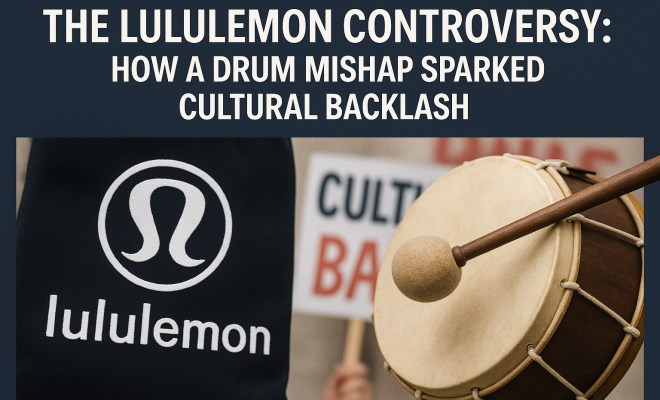
In an age where cultural sensitivity is paramount, major brands often find themselves navigating treacherous waters. The recent Lululemon controversy is a case in point, highlighting how a seemingly innocent promotional event can quickly spiral into a public relations nightmare. What started as an exciting marketing initiative at the Great Wall of China ended up embroiled in backlash due to the use of a Japanese drum, symbolizing a major cultural faux pas. This incident has reignited discussions around globalization, cultural appropriation, and the responsibilities of brands in diverse markets.
The Event That Sparked Outrage
On the surface, the promotional event held by Lululemon was meant to celebrate community and wellness, two core values of the brand. However, the choice to feature a Japanese taiko drum, rather than a traditional Chinese instrument, led to widespread backlash. The drums—often associated with Japanese culture—are rich in history and significance in Japan, making their use in a Chinese context particularly contentious.
Attendees and social media users quickly pointed out the inappropriate selection, arguing that it showcased a lack of understanding of the cultural nuances between Japan and China. Given the history of tensions between the two countries, this misstep was not just a minor oversight; it became a symbol of cultural insensitivity that resonated deeply with the public.
The Ripple Effect of Cultural Insensitivity
Incidents like this don’t just impact the brand directly involved; they amplify broader conversations about how international brands communicate with diverse audiences. The emotional response to the Lululemon controversy illustrates how cultural symbols can carry significant weight, especially in regions with sensitive national identities. People often react strongly to perceived disrespect towards their heritage, sparking discussions that can lead to boycotts or social media campaigns aimed at holding brands accountable.
As evident in this case, audiences feel empowered to call out brands that they believe are misappropriating culture or failing to respect local customs. These sentiments can quickly go viral, turning a minor marketing error into a global discussion about cultural sensitivity, brand responsibility, and ethical marketing practices.
Lululemon’s Response and Apology
In light of the backlash, Lululemon issued a public apology, acknowledging the mistake and expressing regret for any offense caused. The company’s swift response was crucial in mitigating potential damage to its reputation. Apologies in the digital age are a double-edged sword; while they can help assuage anger, they can also open the floodgates for further criticism if not handled properly.
Experts in branding and public relations note that how a company responds to controversy can dictate its future relationship with consumers. Lululemon’s apology emphasized their commitment to understanding and respecting cultural differences, a message that resonated with some but was viewed as insufficient by others who called for a more thorough understanding of cultural contexts.
The Role of Social Media in Amplifying Outrage
Social media played a significant role in amplifying the Lululemon controversy. Platforms like Twitter, Instagram, and TikTok became the battlegrounds for public opinion, as users shared their thoughts and reactions within minutes of the incident coming to light. The speed and reach of social media can turn localized incidents into global conversations almost instantaneously.
This aspect of modern culture shows just how quickly brand reputations can be put on the line. A simple hashtag can rally thousands of voices against a perceived injustice, illustrating how interconnected and vocal consumers have become. In the case of Lululemon, the brand found itself trending for all the wrong reasons, further emphasizing the need for brands to be cautious and thoughtful in their marketing strategies.
Lessons in Cultural Sensitivity for Brands
The Lululemon controversy serves as a critical lesson for brands looking to engage with international markets. One of the most vital takeaways is the importance of thorough cultural research before launching marketing campaigns. Understanding the nuances of local cultures and histories can help brands avoid similar pitfalls in the future.
- Research is Key: Brands should invest time in understanding local customs, traditions, and symbols to ensure their marketing efforts resonate positively with the audience.
- Engage Local Experts: Collaborating with local influencers, cultural consultants, or experts can provide invaluable insights that prevent missteps.
- Be Ready to Adapt: Flexibility in marketing strategies allows brands to pivot in response to cultural contexts, ultimately fostering a more respectful and engaging dialogue with audiences.
Brands that fail to consider these aspects risk alienating their consumers, losing their loyalty over time. As the Lululemon controversy highlights, the line between cultural appreciation and appropriation can be razor-thin, and businesses must tread carefully. (See: Cultural appropriation explained.)
Globalization and Cultural Exchange
The incident also opens up a wider conversation about globalization and cultural exchange. In a world that is increasingly interconnected, brands must balance the benefits of global reach with the responsibilities that come with it. Globalization has the potential to foster cultural exchange and mutual understanding, but it can also lead to misunderstandings and cultural insensitivity.
For fashion brands like Lululemon, which market themselves as global lifestyle brands, understanding these dynamics becomes imperative. As brands expand into new territories, they can’t forget that each region has unique cultural narratives that shape consumers’ identities. When brands overlook these narratives, they risk being seen as tone-deaf or, worse, appropriative.
The Importance of Brand Reputation
Brand reputation is a fragile construct, heavily influenced by public perception and consumer engagement. The Lululemon controversy underscores the need for brands to maintain their image by actively participating in the cultural dialogues of the regions where they operate. Transparency and accountability in addressing mistakes can go a long way in preserving brand loyalty.
In an era where consumers are more aware and vocal about social issues, brands that ignore these dynamics do so at their peril. As Lululemon aims to recover from this incident, it must not only apologize but also demonstrate a commitment to long-term changes in how it engages with cultural matters. This could include partnerships with local artists or initiatives that celebrate local heritage in authentic ways.
The Future of Marketing in a Diverse World
Looking ahead, brands must rethink their marketing strategies in increasingly diverse landscapes. The Lululemon controversy serves as a wake-up call for the fashion industry and beyond. As consumers demand more from brands, the emphasis on genuine cultural representation and respect will only grow.
Thinking critically about how marketing campaigns are crafted is essential. Brands must ensure that their campaigns not only avoid stereotypes but actively celebrate diversity in an inclusive manner. This involves creating spaces where cultural dialogue can flourish, instead of merely appropriating elements from one culture to sell a product.
Taking Responsibility for Cultural Representation
As Lululemon navigates the aftermath of this controversy, the brand has an opportunity to take responsibility for its role in cultural representation. Engaging in meaningful community outreach, supporting local artisans, and fostering cross-cultural dialogue can help rebuild trust with consumers. Recognizing past mistakes is one thing; using them as a springboard for positive action is another.
Ultimately, brands that prioritize cultural respect and representation will not only protect their reputations but also cultivate stronger relationships with their audiences. The Lululemon controversy is a reminder of the power of cultural symbols and the potential consequences when brands fail to engage with them thoughtfully.
The Broader Implications of the Lululemon Controversy
The Lululemon controversy will likely echo in discussions within the marketing community for years to come. As brands continue to grapple with the complexities of globalization, cultural awareness will remain a critical aspect of brand strategy. Learning from missteps like this can lead to more responsible marketing practices that foster cultural understanding.
In essence, the fashion industry—and any global business—must prioritize cultural sensitivity in every corner of its operations, from marketing to product design. By embracing this challenge, brands can create a more inclusive space that celebrates diversity rather than exploiting it. The journey toward cultural awareness is ongoing, but the lessons learned from situations like the Lululemon controversy provide a roadmap for future endeavors.
Expert Perspectives on Cultural Sensitivity
To gain deeper insight into the issues raised by the Lululemon controversy, we reached out to several experts in cultural studies and marketing. Dr. Amy Chen, a cultural anthropologist, emphasized the importance of understanding history in marketing strategies. “Cultural symbols are laden with meaning,” she explained. “Using them without understanding their context can lead to serious missteps, as Lululemon learned.”
Marketing consultant Mark Henderson pointed out that brands now face a more critical audience than ever. “Consumers are not just buying products; they’re buying into a brand’s values and ethics. A misstep like this can severely damage a brand’s reputation.” He urges brands to engage in continuous learning about the cultures they operate in, not just as a marketing tool but as a fundamental business practice. (See: BBC coverage of cultural sensitivity.)
Statistics on Consumer Sentiment
Recent studies reveal that consumer sentiment regarding cultural representation is changing dramatically. According to a 2023 survey by the Global Marketing Institute, 78% of consumers feel brands should represent cultural diversity authentically in their marketing efforts. Additionally, 65% of respondents indicated they would consider boycotting brands that fail to address cultural missteps adequately.
These statistics reflect a growing expectation among consumers for brands to act responsibly and ethically. As the market becomes more competitive, brands that ignore these expectations may find themselves falling behind.
Comparing Brand Responses to Controversies
Looking at other brands that have faced similar controversies can provide valuable lessons in public relations. For instance, when Gucci faced backlash for a sweater that resembled blackface, their response involved a comprehensive review of their design process and a commitment to diversity within their team. This proactive approach helped them regain consumer trust.
In contrast, brands that issued vague apologies or failed to engage in meaningful conversations with affected communities often faced sustained backlash. The difference in these responses highlights the importance of transparency and accountability in crisis management.
Frequently Asked Questions (FAQ)
What is the Lululemon controversy about?
The Lululemon controversy arose from a promotional event in China that featured a Japanese taiko drum, which sparked outrage due to cultural insensitivity. The choice of the drum was criticized for lacking awareness of the cultural distinctions between Japan and China.
How did Lululemon respond to the backlash?
Lululemon issued a public apology acknowledging the mistake and expressing regret for any offense caused. They emphasized their commitment to understanding and respecting cultural differences, although responses to their apology were mixed.
Why is cultural sensitivity important for brands?
Cultural sensitivity is crucial for brands operating in global markets to avoid missteps that can lead to public outrage. Understanding local customs and cultural symbols helps brands foster positive relationships with consumers and maintain their reputation.
What can brands do to avoid similar controversies?
Brands should conduct thorough cultural research, engage with local experts, and be willing to adapt their marketing strategies. This proactive approach can prevent cultural missteps and promote a more respectful dialogue with diverse audiences.
How has social media influenced brand controversies?
Social media amplifies brand controversies by allowing consumers to express their outrage quickly and widely. A single post can spark a viral reaction, significantly impacting a brand’s reputation almost instantaneously.
What impact does cultural appropriation have on consumer trust?
Cultural appropriation can lead to a loss of trust among consumers, especially if they feel a brand is exploiting cultural symbols without respect or understanding. Brands that prioritize cultural sensitivity are more likely to maintain consumer loyalty and trust. (See: New York Times on cultural appropriation in fashion.)
The Path Forward for Lululemon
As Lululemon moves forward, the brand has the opportunity to redefine its approach to cultural engagement. This involves more than just avoiding mistakes; it requires an active commitment to understanding and celebrating the cultural contexts in which they operate. By implementing educational initiatives, supporting local communities, and fostering authentic relationships, Lululemon can transform this controversy into a catalyst for positive change.
The Lululemon controversy serves as a reminder that brands are not just selling products; they are engaging in a broader cultural conversation. Understanding their role in these dialogues is essential for long-term success in an increasingly diverse global market.
Examples of Positive Cultural Engagement
Many brands have successfully navigated the complexities of cultural representation. For instance, Nike, through their collaborations with various cultural icons, has celebrated diversity and inclusivity in a way that resonates with their audience. Their campaigns often highlight individuals from different backgrounds and cultures, amplifying voices that may otherwise go unheard.
Another example is Ben & Jerry’s, which has consistently used its platform to advocate for social justice and cultural awareness. Their commitment to ethical sourcing and community involvement reflects a deep understanding of the cultural dynamics at play, fostering a loyal customer base that appreciates their values.
Future Trends in Cultural Marketing
As we look ahead, it’s clear that the landscape of cultural marketing is evolving. Brands are increasingly recognizing the need for authentic representation and are investing in strategies that prioritize inclusion. This shift is driven by consumer expectations and a growing awareness of social issues.
Virtual reality (VR) and augmented reality (AR) are also becoming tools for brands to engage with consumers in culturally sensitive ways. These technologies allow for immersive experiences that can educate and showcase different cultures without resorting to stereotypes or misrepresentation.
Final Thoughts on the Lululemon Controversy
The Lululemon controversy serves as a pivotal moment in the ongoing dialogue about cultural representation in marketing. Brands must recognize the impact of their choices and the importance of thoughtful engagement with the cultures they represent. Learning from this incident can help Lululemon and other brands avoid similar pitfalls in the future and contribute positively to the cultural landscape.
As consumers become more discerning and demand accountability, brands that prioritize genuine cultural understanding will not only thrive but set the standard for ethical marketing practices in a diverse world.
“`
Trending Now
Frequently Asked Questions
What happened in the Lululemon controversy?
The Lululemon controversy arose from a promotional event at the Great Wall of China where a Japanese taiko drum was used, instead of a traditional Chinese instrument. This choice sparked backlash due to cultural insensitivity and a lack of understanding of the historical tensions between Japan and China.
Why was the use of a Japanese drum controversial?
The use of a Japanese drum at a Chinese event was controversial because it highlighted cultural appropriation and insensitivity. Given the complex history between Japan and China, many viewed the choice as a significant faux pas that disrespected cultural nuances.
What are the implications of cultural insensitivity for brands?
Cultural insensitivity can lead to public backlash, boycotts, and damage to a brand's reputation. In the case of Lululemon, the incident sparked wider discussions about how international brands should navigate cultural differences and communicate effectively with diverse audiences.
How did social media react to the Lululemon event?
Social media users quickly criticized Lululemon for its choice of drum, pointing out the cultural insensitivity involved. The backlash was significant, leading to discussions about cultural appropriation and the responsibilities of brands in understanding and respecting local customs.
What lessons can brands learn from the Lululemon incident?
Brands can learn the importance of cultural sensitivity and the need to understand local contexts when promoting their products. The Lululemon incident serves as a reminder that marketing strategies should respect cultural symbols and avoid actions that could be perceived as disrespectful.
Agree or disagree? Drop a comment and tell us what you think.