Effective Strategies to Help Your Dog Lose Weight
“`html
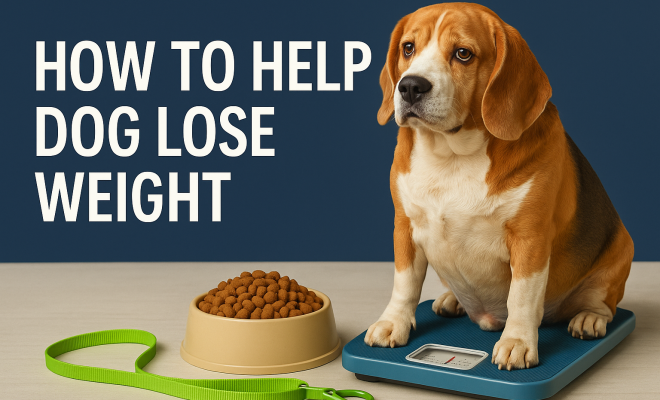
As pet parents, we strive to provide the best for our furry friends, including maintaining their health and well-being. One growing concern among dog owners is obesity. With the rising rates of overweight dogs, it’s become crucial to understand how to help your dog lose weight effectively. This article dives into various strategies, including the role of dog weight loss technology, practical insights, and expert opinions.
1. Understanding Dog Obesity
First, it’s vital to grasp what dog obesity entails. Similar to humans, a dog is considered obese when they are 20% or more above their ideal body weight. According to the Association for Pet Obesity Prevention, approximately 56% of dogs in the United States are classified as overweight or obese. This condition can lead to severe health issues such as diabetes, joint problems, and heart disease.
Recognizing the signs of obesity is the first step. Owners should look for a lack of visible waist when viewed from above and difficulty in feeling the dog’s ribs. If your dog’s weight seems to be creeping up, it’s time to take action.
2. Consulting with a Veterinarian
Before starting any weight loss program, it’s critical to consult your veterinarian. They can provide a proper assessment of your dog’s current health and ideal weight. This step not only helps in understanding your dog’s specific needs but also allows for the identification of underlying health conditions that may contribute to weight gain.
Your vet can assist in setting realistic weight loss goals and recommend a tailored diet and exercise plan. Remember, the aim isn’t merely to cut calories; it’s about fostering a healthier lifestyle for your pet.
3. Diet Adjustments
Diet plays a pivotal role in your dog’s weight management journey. Transitioning to a balanced diet that is lower in calories but still provides essential nutrients is vital. Many commercial dog foods offer reduced-calorie versions specifically designed for weight loss.
It’s also essential to measure your dog’s food accurately. Free-feeding can lead to overeating, so establishing set meal times with controlled portions is key. Additionally, consider incorporating dog weight loss technology, such as smart feeders that dispense the right amount of food at scheduled times, helping to avoid overfeeding.
4. Introducing Healthy Treats
Let’s face it; dogs love treats. However, many treats are high in calories and can hinder weight loss efforts. Opt for healthier alternatives like carrot sticks, green beans, or commercial low-calorie treats. These options not only keep your dog satisfied but also contribute to their nutritional intake.
Furthermore, consider using treats as rewards for good behavior during training. This way, you’re not just providing empty calories but reinforcing positive habits.
5. Regular Exercise is Essential
Exercise is a vital component of any weight loss plan. Regular physical activity can help your dog burn calories and build muscle. Depending on your dog’s breed and age, exercise requirements may vary. Generally, dogs should engage in at least 30 minutes of moderate exercise each day.
Incorporate fun activities like fetch, agility training, or even swimming. These not only help burn calories but also strengthen the bond between you and your furry friend. Remember, consistency is key, so find a routine that works for both of you!
6. Utilizing Technology for Weight Management
Thanks to advancements in dog weight loss technology, managing your dog’s weight is more accessible than ever. Numerous apps and devices can track your dog’s diet, exercise, and overall health status. For instance, fitness trackers specifically designed for pets, like Whistle or FitBark, monitor activity levels and can send data directly to your smartphone. (See: Obesity and health risks.)
Additionally, some food brands now offer smart bowls that connect to your smartphone, allowing you to track how much your dog has eaten and adjust portions accordingly. Leveraging these technologies can significantly aid in managing your dog’s weight loss journey.
7. Maintaining Motivation and Engagement
Weight loss can be a challenging process for both dogs and their owners. Keeping your dog motivated is crucial. Engage in varied activities to prevent boredom, and regularly change up your walking routes or introduce new toys to maintain their interest.
Moreover, consider joining a community, whether online or within your local area, where you can share experiences, challenges, and successes. Being part of a support system can keep you and your dog motivated and committed to your goals.
8. Monitoring Progress
As your dog embarks on their weight loss journey, monitoring progress is essential. Regularly weigh your dog and keep track of their body condition score. If you notice a plateau, it may be time to reassess their diet and exercise regimen. Don’t hesitate to return to your veterinarian for advice.
Celebrate small victories along the way, whether it’s reaching a milestone weight or noticing improved energy levels. This positive reinforcement can encourage both you and your dog to keep pushing forward.
9. Creating a Sustainable Lifestyle
Finally, it’s vital to emphasize that weight loss should not be viewed as a temporary fix but as a lifestyle change. After achieving your dog’s ideal weight, maintain these habits to prevent future weight gain. Keep up with the healthy diet, regular exercise, and tech tools to ensure consistent management of their weight.
Involving family members in this lifestyle change can also be beneficial. Education about proper feeding and exercise routines can create an environment that supports your dog’s health and well-being.
Your dog’s weight loss journey doesn’t have to be a lonely one. With proper guidance, engagement, and the right technology, you’re well-equipped to help your dog shed those extra pounds and lead a healthier, happier life.
10. The Role of Dog Weight Loss Technology in Veterinary Practices
Veterinarians are increasingly recognizing the importance of dog weight loss technology in managing pet obesity. Many clinics have started incorporating advanced diagnostic tools and weight management software to better track their patients’ progress. For instance, veterinary practices often use body composition analysis tools that offer precise measurements of a dog’s fat and muscle mass. This helps in creating a more accurate nutritional and exercise plan tailored specifically to each dog’s needs.
Some veterinary clinics are even utilizing telemedicine services, allowing owners to consult with vets remotely. This is particularly useful for ongoing weight management, as pet owners can share real-time data from their dog’s fitness trackers or smart feeders, enabling veterinarians to make informed adjustments to weight loss plans without requiring an office visit.
11. Success Stories: Real-Life Examples of Dog Weight Loss
Many pet owners have successfully navigated the weight loss journey with their dogs, showcasing the impact of commitment and proper use of technology. For instance, a Labrador named Max lost over 20 pounds in six months. His owners used a combination of smart feeding bowls and a dedicated fitness app that tracked his daily activities. The app provided them with insights into Max’s exercise patterns, helping them identify when he was most active and when he needed encouragement to get moving.
Another success story features Bella, a Pomeranian who struggled with obesity due to her sedentary lifestyle. By integrating interactive toys that encouraged her to move and play, along with a balanced diet monitored through a pet health app, Bella’s owners managed to help her lose 15% of her body weight within four months. These real-life examples demonstrate how targeted strategies, combined with dog weight loss technology, can lead to remarkable improvements in a pet’s health and vitality.
12. Statistics on Dog Obesity and Weight Management
Statistics reveal alarming trends regarding dog obesity. According to the Association for Pet Obesity Prevention, over the last decade, the percentage of overweight dogs has increased significantly. Studies show that 1 in 3 dogs is considered overweight, and the prevalence of obesity-related health issues has surged by nearly 30% in the past five years alone. Notably, larger breeds are often more prone to obesity-related conditions. A 2021 study found that Great Danes and Saint Bernards had the highest obesity rates among purebred dogs.
On the other hand, owners who actively employ weight loss technologies have seen success rates increase. A survey conducted in 2022 showed that dog owners using technology tools like fitness trackers reported a 40% higher success rate in achieving their dog’s weight loss goals compared to those who did not use any technological aids. This highlights the potential of dog weight loss technology in making a meaningful difference in managing canine obesity.
13. Expert Perspectives on Dog Weight Loss Technology
Veterinary experts often emphasize the importance of integrating technology into pet care to combat obesity. Dr. Sarah Johnson, a veterinary nutritionist, states, “Technology offers pet owners valuable insights into their dog’s health. With real-time data, owners can make informed decisions regarding diet and exercise, leading to more effective weight management.”
Dr. Emily Roberts, a veterinarian specializing in obesity management, also stresses that “the combination of wearable fitness trackers and smart feeding technology creates a comprehensive approach to weight loss. By understanding the unique needs of each dog and actively monitoring their habits, we can significantly improve their quality of life.” These expert perspectives underline the critical role of technology in modern veterinary practices and pet care.
14. Frequently Asked Questions about Dog Weight Loss Technology
What types of technology can help in managing my dog’s weight?
There are various types of technology available for dog weight management, including fitness trackers designed for pets, smart feeders, and mobile apps that track diet and exercise. These tools can help monitor your dog’s activity levels, caloric intake, and overall health.
How do smart feeders work?
Smart feeders are automated devices that can dispense a specific amount of food at set times throughout the day. They connect to your smartphone, allowing you to manage your dog’s feeding schedule and portion sizes remotely, ensuring your dog doesn’t overeat.
Can I use technology to monitor my dog’s health?
Absolutely! Many pet fitness trackers not only monitor physical activity but also allow you to track vital health metrics. Some devices even sync with veterinary health records, helping you keep a comprehensive view of your dog’s health.
Is all dog weight loss technology effective?
While many products on the market can assist in weight management, the effectiveness of technology depends on the owner’s commitment to using it consistently alongside a balanced diet and regular exercise. It’s essential to find tools that fit your lifestyle and your dog’s needs.
When should I consult my veterinarian regarding weight management technology?
If you notice that your dog is not responding to weight loss efforts despite using technology, or if they display signs of health issues, it’s crucial to consult your veterinarian. They can provide insights and help adjust your approach as necessary.
15. Future Trends in Dog Weight Loss Technology
The field of dog weight loss technology is constantly evolving. Future advancements may include more sophisticated wearable devices that not only track activity but also assess health metrics such as heart rate and calories burned in real-time. Additionally, artificial intelligence might play a role in analyzing data patterns over time, providing personalized recommendations for diet and exercise tailored to individual dogs.
We might also see the rise of integrated platforms that combine various aspects of dog health management, including nutrition, exercise, and even mental stimulation. These comprehensive systems could revolutionize how dog owners approach weight management, ensuring a holistic view of their pet’s health.
As technology continues to advance, owners can look forward to even more innovative solutions that can help their dogs maintain a healthy weight and live longer, healthier lives. With the right combination of technology, expert advice, and commitment, managing your dog’s weight can be a positive and rewarding experience.
16. Common Challenges in Dog Weight Loss
While the tools and strategies are helpful, there are common challenges that dog owners face during their dog’s weight loss journey. One significant obstacle is the emotional connection between dogs and their food. Many owners struggle with the urge to give treats as a form of affection, which can lead to overindulgence. It’s crucial to find non-food rewards, like extra playtime or a special outing, to reinforce positive behaviors without adding extra calories.
Another challenge is the variability in a dog’s metabolism. Different breeds and individual dogs vary widely in how quickly they burn calories and process food. This means that weight loss can be slower for some dogs than others, which can be discouraging. Tracking progress through regular weigh-ins and body condition scoring can help owners stay motivated and make necessary adjustments along the way.
17. Behavioral Modification Techniques
Incorporating behavioral modification techniques can greatly enhance the effectiveness of weight loss programs. Training sessions can be a great way to reinforce positive behaviors while also providing mental stimulation for your dog. Techniques like clicker training can help teach your dog fun tricks, which can be a rewarding substitute for food-based treats.
Additionally, implementing controlled feeding environments can help manage portions and reduce begging behaviors. By establishing “quiet time” during feeding when the dog must stay calm and not beg for food, you can reinforce a more disciplined approach to eating.
18. Understanding Breed-Specific Needs
Different dog breeds come with unique nutritional and exercise requirements. For instance, breeds prone to obesity, like Bulldogs and Dachshunds, require tailored diets and watchful monitoring. On the other hand, high-energy breeds like Border Collies might need more rigorous exercise and a diet that supports their active lifestyle. Understanding these breed-specific needs is essential for developing a successful weight loss plan.
Consulting breed-specific resources, joining breed-specific forums, or speaking with breeders can provide insights into the best practices for managing your dog’s weight based on its breed characteristics.
19. Creating a Weight Loss Plan with Your Vet
Working closely with your veterinarian to create a personalized weight loss plan is one of the most effective strategies. This plan should include a comprehensive overview of your dog’s current health status, specific dietary recommendations, and a tailored exercise regimen.
Regular follow-ups with your vet can help in reassessing the weight loss plan and adapting it based on your dog’s progress. Your veterinarian can also help identify any plateaus in weight loss and suggest ways to overcome them, ensuring that your dog stays on track to a healthier weight.
20. Final Thoughts on Dog Weight Loss Technology
In the ever-evolving landscape of pet care, dog weight loss technology stands out as a beacon of innovation and hope for pet owners struggling with canine obesity. Implementing these technologies into your pet’s regimen not only simplifies the weight loss process but also empowers you with data-driven insights to make informed decisions.
As the health and wellness of our pets continue to be a priority, embracing the use of technology alongside traditional methods will undoubtedly lead to happier, healthier dogs. With determination, support, and the right tools, weight management can transition from a daunting task to a rewarding journey that enhances the quality of life for both you and your furry friend.
“`
Trending Now
Frequently Asked Questions
How can I tell if my dog is overweight?
You can determine if your dog is overweight by checking for a visible waist when viewed from above and feeling for their ribs. If you cannot see their waist or feel their ribs easily, they may be overweight. Consulting with a veterinarian can provide a more accurate assessment.
What are the best ways to help my dog lose weight?
The best ways to help your dog lose weight include consulting a veterinarian for a tailored diet and exercise plan, transitioning to a balanced, lower-calorie diet, and ensuring regular physical activity. Consistency and gradual changes are key to successful weight loss.
Is it safe for dogs to lose weight quickly?
No, it is not safe for dogs to lose weight quickly. Rapid weight loss can lead to serious health issues. A gradual approach, guided by a veterinarian, is recommended to ensure your dog loses weight safely and sustainably.
What role does diet play in dog weight loss?
Diet plays a crucial role in dog weight loss. A balanced diet that is lower in calories while still providing essential nutrients can help your dog shed excess weight. It's important to choose the right food and adjust portion sizes according to your dog's specific needs.
How often should I exercise my dog to help them lose weight?
To help your dog lose weight, aim for at least 30 minutes of exercise most days of the week. This can include walks, playtime, or other activities that engage them physically. Always consult your veterinarian for personalized exercise recommendations based on your dog's health and fitness level.
Have you experienced this yourself? We’d love to hear your story in the comments.