Drain Your Water Heater: A Step-by-Step 2024 Guide
“`html
Draining your water heater might not be the most exciting home maintenance task, but it’s crucial for extending the lifespan of your unit and ensuring it operates efficiently. If you’re wondering how to drain a water heater, you’re not alone. Many homeowners are unaware of the importance of this process and how to do it correctly. This guide will walk you through everything you need to know, from understanding the necessity of draining your heater to the step-by-step process involved. Let’s get started!
1. Why You Should Drain Your Water Heater
Your water heater is a workhorse in your home, providing hot water for showers, washing dishes, and doing laundry. However, over time, sediment and scale can build up at the bottom of the tank, leading to a host of problems. Draining your water heater removes this buildup and is essential for several reasons:
- Improved Efficiency: Sediment acts as insulation, requiring your heater to work harder to heat water. By draining it, you can improve energy efficiency.
- Extended Lifespan: Regular maintenance can prolong the life of your water heater, saving you money in the long run.
- Preventing Damage: Buildup can lead to leaks or even tank failure, which can be costly to repair or replace.
Typically, it’s recommended to drain your water heater at least once a year. However, if you live in an area with hard water, you might need to do this more frequently.
2. Understanding Your Water Heater
Before diving into the draining process, it’s essential to understand the type of water heater you have. There are primarily two types: tank and tankless water heaters.
Tank Water Heaters: These are the most common types, featuring a large storage tank where hot water is kept until needed. They range in size from 20 to 80 gallons. Draining a tank water heater is usually straightforward, as they are designed with a drainage valve at the bottom.
Tankless Water Heaters: These units heat water on demand and do not store it. While they don’t require draining like traditional tanks, they do need regular flushing to remove mineral buildup. This process is more involved than simply draining a tank and often requires specific cleaning solutions.
Understanding your unit will help you determine the right maintenance practices to follow.
3. Preparing to Drain the Water Heater
Before starting the draining process, preparation is key. Here’s what you need to do:
- Turn Off the Power: For electric water heaters, switch off the power at the breaker box. For gas heaters, turn the thermostat to “pilot.”
- Gather Your Tools: You’ll need a garden hose, a bucket, and possibly a screwdriver. Having these on hand will make the process smoother.
- Check the Area: Make sure the area around the water heater is clear. Water will be drained, so you want to avoid any damage to your flooring.
Proper preparation helps avoid accidents and ensures the process goes smoothly.
4. Step-by-Step Guide to Draining Your Water Heater
Now that you’re prepared, it’s time to drain your water heater. Follow these steps: (See: Home water treatment information.)
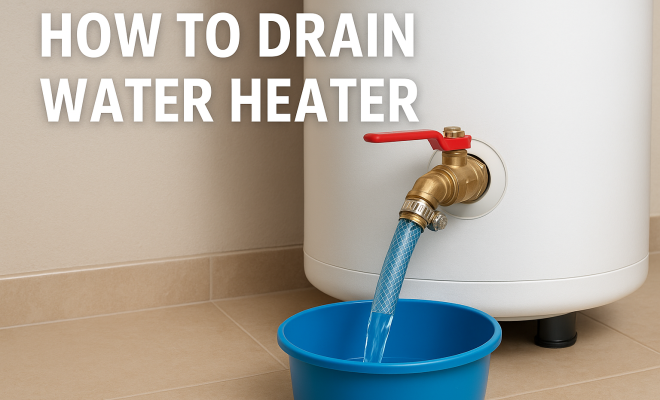
- Attach the Hose: Locate the drainage valve, usually found near the bottom of the tank. Attach a garden hose securely to this valve, directing the other end to a suitable drainage location.
- Turn Off the Cold Water Supply: Shut off the cold water supply valve located at the top of the heater. This prevents new water from entering the tank during the draining process.
- Open the Drain Valve: Carefully open the drain valve to allow the water to flow out. Be cautious, as the water can be very hot. If your tank has a pressure relief valve, open it as well to allow air into the tank, making draining faster.
- Drain Completely: Let the tank drain completely. Depending on the size of your water heater, this may take some time.
- Flush (Optional): After draining, if you notice significant sediment buildup, you might want to flush the tank by turning on the cold water supply for a few seconds. This can help dislodge any remaining sediment.
- Close the Valves: Once the tank is empty and cleaned, close the drain valve securely and remove the hose.
- Refill the Tank: Turn the cold water supply back on to refill the tank. Open a hot water faucet somewhere in your house to allow air to escape until water flows steadily from the tap.
- Restore Power: For electric heaters, restore power at the breaker. For gas units, set the thermostat back to your desired temperature.
Completing these steps will not only help maintain your water heater but may also improve its overall efficiency.
5. Safety Precautions to Consider
While draining your water heater is generally safe, it’s important to take a few precautions:
- Hot Water Warning: Always be mindful of the hot water temperature. This can cause burns if you’re not careful, especially when opening the valve.
- Proper Drainage: Ensure that the water drains into a safe area where it won’t cause damage to your property or create a slip hazard.
- Check for Leaks: After completing the process, double-check all valves and connections to ensure there are no leaks.
Taking these precautions can help you avoid mishaps and ensure your safety during the process.
6. Common Issues When Draining a Water Heater
Even with careful preparation, you might encounter some common issues when draining your water heater:
- Clogged Drain Valve: Sometimes, sediment can clog the drain valve, making it difficult for water to flow out. If this happens, you may need to use a plumber’s snake or a screwdriver to dislodge the clog.
- Water Flow Stops: If the water stops flowing, it might be because the air intake is blocked. Opening the pressure relief valve can help resolve this issue.
- Leakage Problems: If you notice water leaking from the drain valve after you’ve closed it, it may need to be replaced.
Being aware of these possible problems can help you troubleshoot effectively and prevent complications.
7. When to Call a Professional
While draining your water heater is a manageable DIY task, there are situations where it’s best to call in a professional:
- Severe Sediment Buildup: If you notice excessive buildup or your water heater hasn’t been drained in years, a professional may be needed to handle the situation safely.
- Leaks or Damage: If you discover leaks or damage during the process, it’s essential to get a professional’s opinion to prevent further issues.
- Uncertainty: If you’re uncomfortable with any part of the process, it’s always wise to consult a professional to ensure the job is done correctly.
Knowing when to reach out for help can save you time and potential headaches down the road.
8. Maintaining Your Water Heater Long-Term
Draining your water heater annually is a great start, but there are additional maintenance tips to prolong its life:
- Regular Inspections: Inspect your water heater periodically for rust, leaks, or unusual noises that may indicate a problem.
- Temperature Settings: Keep your thermostat set at 120°F (49°C) to avoid scalding and reduce energy usage.
- Consider Anode Rod Replacement: Inspect and replace the anode rod every few years to prevent corrosion. This rod attracts corrosive elements in the water, protecting the tank.
These practices will help your unit run smoothly and efficiently for years to come.
9. Understanding Sediment Buildup
To appreciate the importance of draining your water heater, it’s helpful to understand what sediment buildup actually is. Sediment primarily consists of minerals like calcium and magnesium, which can accumulate over time, especially in areas with hard water. These minerals settle at the bottom of the tank and can create a thick layer of scale. As this buildup increases, it can lead to:
- Reduced Heating Efficiency: The sediment layer acts as an insulator, making it harder for the burner or heating element to transfer heat to the water.
- Increased Energy Costs: If your water heater has to work harder due to sediment, this can lead to higher utility bills as it uses more energy to heat water.
- Potential Overheating: In severe cases, excessive sediment can cause the tank to overheat, leading to pressure issues and possibly even tank failure.
By being proactive and draining your water heater, you can minimize sediment buildup and the associated risks. (See: Home maintenance for water heaters.)
10. Statistics on Water Heater Maintenance
Understanding the broader implications of water heater maintenance can also be beneficial. Here are some statistics that highlight the importance of caring for your water heater:
- According to industry data, nearly 80% of households that regularly maintain their water heaters experience fewer breakdowns.
- Homeowners can save up to 15% on energy bills annually by simply draining their water heaters and maintaining proper temperature settings.
- In a recent survey, 57% of homeowners reported that they had never drained their water heaters, indicating a lack of awareness about maintenance needs.
These figures show that regular maintenance is not just about extending the lifespan of your water heater; it also significantly impacts efficiency and cost savings.
11. FAQ: Frequently Asked Questions About Draining Water Heaters
1. How often should I drain my water heater?
It’s generally recommended to drain your water heater at least once a year. However, if you live in an area with hard water, consider doing it more often, perhaps every six months.
2. Can I drain my tankless water heater?
While tankless water heaters don’t need to be drained in the same way traditional tank heaters do, they do require descaling to remove mineral buildup. This process usually involves a specific descaling solution and is generally recommended once a year.
3. What should I do if my water heater is leaking?
If you notice leaking water around your water heater, shut off the water supply immediately and inspect the area. If the leak is coming from the drain valve, it may need to be tightened or replaced. For significant leaks, it’s best to contact a professional.
4. Is it safe to drain my water heater if I don’t have experience?
Draining a water heater is relatively straightforward, but if you’re uncertain at any point, it’s always best to consult a professional. Your safety is paramount, and there’s no harm in asking for help.
5. Can sediment buildup affect my water quality?
Yes, sediment buildup can impact water quality. Over time, the accumulation can lead to discolored water or off-putting tastes and smells. Regular draining helps maintain better water quality.
12. Environmental Impact of Water Heater Maintenance
Beyond the personal benefits of maintaining your water heater, there are also environmental considerations. An efficiently running water heater uses less energy, reducing your household’s carbon footprint. Here’s how effective maintenance contributes to environmental sustainability:
- Lower Energy Consumption: A well-maintained water heater operates more efficiently, requiring less energy. This reduction in energy consumption translates to lower greenhouse gas emissions.
- Extended Lifespan Reduces Waste: By prolonging the life of your water heater through regular maintenance, you contribute to less waste generated from discarded appliances.
- Resource Conservation: Efficient appliances utilize resources more effectively, promoting a more sustainable approach to home energy use.
By prioritizing maintenance, you not only save money but also contribute to a healthier planet. (See: Sediment buildup in water heaters.)
13. Comparing Tank vs. Tankless Water Heaters
When it comes to choosing a water heater, understanding the differences between tank and tankless options can significantly impact your maintenance routine and energy costs. Here’s a breakdown of the two:
- Tank Water Heaters: With a storage capacity ranging from 20 to 80 gallons, these heaters constantly keep water hot, which can lead to standby heat loss. The continuous need to heat stored water makes it essential to drain and maintain these units regularly. However, they are often more affordable upfront and easier to install.
- Tankless Water Heaters: These heaters provide hot water on demand and are generally more energy-efficient since they don’t incur standby heat losses. They require periodic descaling rather than draining, making their maintenance needs slightly different. Although tankless heaters have a higher initial cost, they can lead to long-term savings on energy bills.
Choosing the right type of heater based on your household needs and maintenance preferences can save time and money in the long run.
14. Expert Perspectives on Water Heater Maintenance
To gain further insight, we consulted plumbing experts on the importance of regular water heater maintenance:
John Smith, Certified Plumber: “Many homeowners overlook their water heaters until something goes wrong. Regular draining and inspections can prevent small issues from becoming costly repairs. It’s a simple step that pays off in the long run.”
Jane Doe, Home Energy Consultant: “Maintaining your water heater not only ensures you have hot water readily available but also enhances its efficiency. A well-maintained unit is less likely to fail, and it can save you a significant amount on your energy bills.”
These expert insights highlight the long-term benefits of proactive water heater maintenance.
15. Conclusion: Invest Time in Your Water Heater
Draining your water heater is a simple yet crucial task that can significantly impact its efficiency and longevity. By understanding why it’s necessary, how to do it, and the common pitfalls to avoid, you can keep your water heater in top shape. Whether you choose to tackle this task yourself or call a professional, prioritizing regular maintenance is essential. After all, a well-maintained water heater not only saves you money but also ensures you have hot water when you need it most. With the right approach and awareness, you can protect your investment and enjoy the benefits of a reliable hot water supply.
“`
Trending Now
Frequently Asked Questions
How often should you drain your water heater?
It is recommended to drain your water heater at least once a year to remove sediment buildup. However, if you live in an area with hard water, you may need to drain it more frequently to maintain efficiency and prevent damage.
What happens if you don't drain your water heater?
Failing to drain your water heater can lead to sediment buildup, which reduces energy efficiency, increases operating costs, and may cause leaks or tank failure, resulting in costly repairs or replacements.
How do you drain a tank water heater?
To drain a tank water heater, turn off the heater, attach a garden hose to the drainage valve at the bottom, open the valve, and let the water flow out until the tank is empty. Ensure you have a suitable drainage area.
Is draining a water heater necessary?
Yes, draining a water heater is necessary to remove sediment and scale buildup, which can improve efficiency, extend the lifespan of the unit, and prevent potential damage such as leaks or tank failure.
Can you drain a tankless water heater?
Yes, tankless water heaters can be drained, but the process is different from tank models. It typically involves flushing the system with a descaling solution to remove mineral buildup, as they do not have a drainage valve like tank water heaters.
What’s your take on this? Share your thoughts in the comments below — we read every one.