Microplastics Invade Human Brains: Alarming Health Implications
Introduction
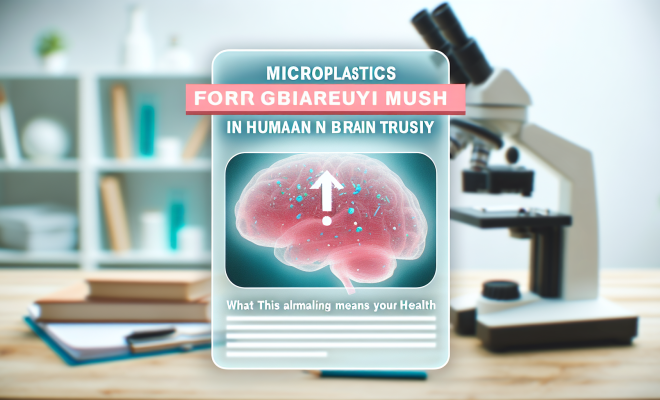
A groundbreaking study has shed light on a previously uncharted territory of human health: the presence of microplastics in human brain tissue. Researchers from renowned institutions have discovered that microplastics—tiny plastic particles less than 5mm in size—are present in every sample of brain tissue analyzed from deceased individuals. These alarming findings raise crucial questions about the long-term neurological impacts of microplastics and their potential links to cognitive decline and neurodegenerative diseases.
What Are Microplastics?
Microplastics originate from various sources, including the degradation of larger plastic items, synthetic fibers from clothing, and even cosmetics. They are pervasive in our environment, found in oceans, soil, and now alarmingly, in our bodies. The ubiquity of microplastics is primarily due to the extensive use of plastics in everyday life, which persist in the environment for hundreds of years.
The Study: Key Findings
In this recent study, researchers analyzed post-mortem brain tissue samples from 50 individuals across multiple countries. The results were staggering: every single sample contained microplastic particles, with concentrations significantly higher than those found in blood and other organs. This study represents a pivotal moment in our understanding of plastic contamination and its implications for human health.
Sample Analysis
The researchers utilized advanced analytical techniques to identify and quantify microplastics in the brain tissue. The types of plastics detected included polyethylene, polypropylene, and polystyrene, commonly found in plastic containers, packaging, and even medical devices. The sheer volume of microplastics in the brain raises profound concerns about the potential for these materials to influence brain function.
Health Implications of Microplastics in the Brain
One of the most alarming aspects of this discovery is the unknown health implications associated with microplastics in the human brain. While causation is yet to be established, the presence of these particles opens the door to intense debate among scientists and health professionals regarding their potential links to neurodegenerative diseases such as Alzheimer’s and Parkinson’s disease. The accumulation of plastic particles in the brain could disrupt neurochemical processes, potentially leading to cognitive impairments over time.
Public Reactions and Media Coverage
The study’s findings have sparked widespread discourse across social media platforms, with users sharing their anxieties about the implications of microplastics on personal health. Many have turned to regulatory bodies, demanding stricter controls on plastic production and usage. The public’s concern has led to increased interest in the sources of microplastics, including food packaging, consumer products, and environmental contamination.
The Role of Social Media
Social media has played a crucial role in disseminating information about the study and its implications. Viral posts have highlighted personal stories and fears regarding health risks associated with microplastics, prompting users to share their experiences and questions. This digital engagement reflects a broader trend of increasing health awareness and environmental responsibility among consumers.
Investigating the Sources of Microplastics
Understanding how microplastics enter the human body is essential for addressing the issue. Common routes of exposure include:
- Inhalation: Microplastics can be released into the air from various sources, including industrial processes and indoor environments, where they can be inhaled.
- Ingestion: Food and beverages can be contaminated with microplastics through packaging or environmental sources, leading to direct consumption.
- Dermal Contact: Personal care products containing microplastics can be absorbed through the skin, contributing to overall exposure.
Effects on Food and Water Quality
Concerns extend beyond just human health; the presence of microplastics in food and water sources raises significant questions about ecosystem health and sustainability. Researchers continue to explore how microplastics affect aquatic life and food chains, which ultimately impacts human consumption.
Scientific Community’s Response
The scientific community is grappling with the implications of these findings. While there is an urgent need for further research, some experts caution against jumping to conclusions regarding causality between microplastics and neurodegenerative diseases. Future studies are needed to establish a clearer understanding of how microplastic accumulation may affect brain health.
Challenges in Establishing Causation
One of the significant challenges in this area of research is differentiating between correlation and causation. Although the presence of microplastics in human brain tissue is concerning, establishing a direct link to specific health outcomes requires extensive longitudinal studies. Researchers are calling for more comprehensive investigations that examine the long-term effects of microplastic exposure on human health.
The Regulatory Landscape
In light of these findings, there is a pressing need for regulatory action regarding plastic usage and waste management. Policymakers are being urged to consider measures that could reduce plastic consumption and encourage the development of alternative materials. Several countries have already begun implementing bans on single-use plastics, signaling a shift towards greater environmental responsibility.
Global Efforts Against Plastic Pollution
Various initiatives worldwide aim to combat plastic pollution, including:
- International Treaties: Countries are collaborating to establish binding agreements to reduce plastic waste and manage plastic production.
- Public Awareness Campaigns: Organizations are promoting education on the impacts of plastic use and encouraging sustainable practices.
- Innovation in Materials: Research into biodegradable alternatives to traditional plastics is underway, aiming to minimize environmental impact.
Personal Responsibility and Lifestyle Changes
As individuals become more aware of the implications of microplastics on health, many are considering lifestyle changes to reduce their exposure. Simple steps can make a difference:
- Reduce Plastic Use: Opt for reusable bags, bottles, and containers to minimize single-use plastic consumption.
- Choose Natural Products: Select personal care and cleaning products that do not contain microplastics.
- Support Eco-Friendly Brands: Patronize companies that prioritize sustainable practices in their product offerings.
Conclusion
The discovery of microplastics in human brain tissue represents a significant development in understanding the potential health risks associated with plastic pollution. As research continues, it is essential for both the scientific community and the public to engage in discussions about the implications of this study. By fostering awareness and taking proactive measures, we can work towards minimizing our plastic footprint and protecting future generations from the potential health risks associated with microplastics.
As we stand at this critical juncture, the collective actions of individuals, communities, and governments will play a pivotal role in addressing the challenges posed by microplastics. The journey towards a healthier planet and population begins with awareness and responsibility.