Global Coral Bleaching Crisis: Oceans’ Future at Stake in 2024
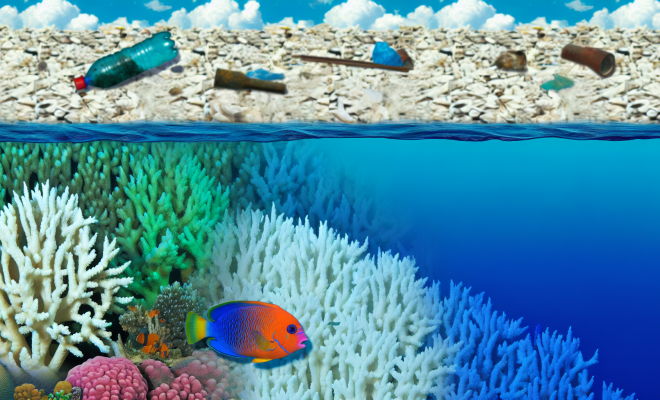
In an alarming turn of events, a global coral bleaching crisis has unfolded, impacting over 60% of the world’s coral reef ecosystems. This unprecedented phenomenon, the most severe mass bleaching since 2016, has invoked urgent responses from scientists and conservationists alike. As ocean temperatures rise, exceeding 1.5°C above pre-industrial levels, iconic marine habitats face catastrophic die-offs. Reefs such as Australia’s Great Barrier Reef, the Maldives, and Southeast Asian waters are witnessing heartbreaking bleaching rates of 80-90%, leading experts to declare a climate emergency.
The Scale of the Crisis
The current coral bleaching event is not just a localized issue; it is a global crisis that threatens the delicate balance of marine biodiversity. Coral reefs, often referred to as the “rainforests of the sea,” are vital ecosystems that support around 25% of all marine species. They provide habitat, food, and breeding grounds for countless marine organisms, including fish, mollusks, and sea turtles. However, the ongoing bleaching event underscores the fragility of these ecosystems in the face of climate change.
Understanding Coral Bleaching
Coral bleaching occurs when stressed corals expel the symbiotic algae (zooxanthellae) that live within their tissues. These algae are crucial for coral health, as they provide the corals with energy through photosynthesis, giving them their vibrant colors. When coral is exposed to stressors such as elevated sea temperatures, pollution, or changes in water chemistry, they expel these algae, leading to a stark white appearance and, if prolonged, eventual death.
Current Status of Coral Reefs
As of now, reports indicate that the bleaching crisis is especially severe in some of the planet’s most cherished ecosystems:
- Great Barrier Reef: This world-renowned site has seen significant portions of its coral die-off, with estimates suggesting that up to 90% of its corals are experiencing bleaching, raising urgent concerns about the reef’s long-term survival.
- The Maldives: These islands, famous for their stunning coral reefs, are also suffering drastic losses. Significant bleaching has been reported, threatening both marine life and local economies dependent on tourism.
- Southeast Asia: Marine ecosystems in countries like Indonesia and the Philippines are facing alarming bleaching rates, with some regions reporting 80-90% of corals affected.
Scientists from major institutions, including NOAA and the International Coral Reef Initiative, have communicated that this is not merely an environmental issue but a crisis that has far-reaching implications for climate policies and biodiversity conservation.
Public Awareness and Engagement
The emotional weight of the current coral bleaching event has captured the public’s attention, with viral videos and photos of bleached corals flooding social media platforms. These visuals serve as a wake-up call, prompting discussions about the urgent need for action to protect marine ecosystems.
The Power of Visual Storytelling
Social media has become a powerful tool for raising awareness about environmental issues. Emotional testimonies from marine conservationists, alongside striking images of bleached coral formations, have helped to amplify the message. These narratives not only showcase the beauty of coral reefs but also highlight what is at stake should we fail to address climate change.
Fundraising and Conservation Efforts
As awareness grows, environmental organizations have launched emergency fundraising campaigns to support coral restoration projects and climate change mitigation strategies. These initiatives aim to engage the public in meaningful action, from donations to grassroots activism, highlighting the collective effort needed to combat coral bleaching.
The Interconnection of Climate Change and Coral Bleaching
The current crisis illustrates the intricate relationship between coral bleaching and climate change. Rising ocean temperatures, driven by greenhouse gas emissions, exacerbate stress on coral reefs. Acknowledging this connection is crucial for developing effective strategies to combat the ongoing crisis.
What Are the Implications of Coral Bleaching?
Coral reefs play a critical role in marine biodiversity and the health of our oceans. The implications of widespread bleaching are profound:
- Loss of Biodiversity: The decline of coral reefs directly impacts numerous marine species, leading to diminished biodiversity and altering marine food webs.
- Economic Impact: Many coastal communities rely on coral reefs for their livelihoods, including fishing and tourism. The loss of these ecosystems could lead to significant economic challenges.
- Climate Regulation: Coral reefs contribute to carbon cycling and help mitigate climate change effects. Their degradation could exacerbate global warming.
What Can Be Done?
Addressing the coral bleaching crisis requires immediate and concerted action at multiple levels. While the challenges are daunting, there are feasible steps that can be taken:
- Support Conservation Initiatives: Engaging with and supporting local and global conservation organizations can help restore coral reefs and protect marine ecosystems.
- Advocate for Climate Action: Individuals can advocate for stronger climate policies at local, national, and international levels to reduce greenhouse gas emissions.
- Promote Sustainable Practices: Encouraging sustainable fishing and tourism practices can help lessen the human impact on coral reefs.
The Role of Education and Awareness
Educational initiatives play a vital role in raising awareness about the importance of coral reefs and the threats they face. Programs in schools, community outreach, and public campaigns can help foster a sense of stewardship and responsibility toward marine ecosystems.
Conclusion: A Call to Action
The global coral bleaching event poses a stark reminder of the fragility of our oceans and the pressing need for action against climate change. The beauty and diversity of coral reefs are at risk, and the consequences of inaction will reverberate through ecosystems and communities worldwide.
As individuals, communities, and nations, we have a collective responsibility to protect our planet’s oceans. By raising awareness, supporting conservation efforts, and advocating for climate action, we can contribute to a more sustainable future for coral reefs and the myriad of life they support. The time to act is now; our oceans’ future depends on it.