Trump Sues California Over Ambitious 2035 Emissions Standards
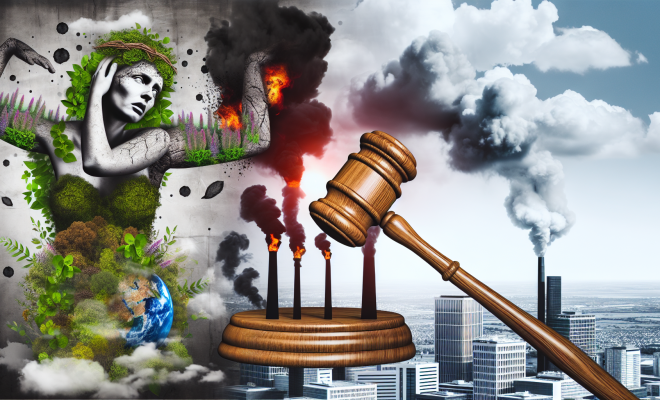
The ongoing battle between federal and state governments over environmental regulations has escalated, as the Trump administration has officially filed a lawsuit against California. This legal challenge targets the state’s stringent vehicle emissions standards, particularly its ambitious goal of achieving 100% zero-emission vehicle sales by the year 2035. The implications of this lawsuit could have significant consequences for automakers and the broader environmental landscape.
The Core of the Lawsuit
At the heart of the lawsuit is the assertion that California’s emissions regulations exceed its authority under the Clean Air Act. The federal government argues that the state’s aggressive push for electric vehicles (EVs) not only imposes undue compliance costs on automakers but also undermines the uniformity of federal vehicle regulations. The administration’s stance is that states should not have the power to set their own emissions standards that diverge from federal guidelines.
California’s Response
In response to the lawsuit, California officials, led by Governor Gavin Newsom, have expressed their unwavering commitment to combating climate change. Governor Newsom has characterized the lawsuit as a direct attack on the state’s right to protect its environment and public health. He emphasizes the urgency of addressing climate change and argues that California’s regulations are essential for reducing greenhouse gas emissions.
“California has led the way on climate action, and our commitment to a clean energy future will not waver in the face of federal opposition,” said Newsom during a press conference. His administration is prepared to vigorously fight the lawsuit in court, asserting that the state has a responsibility to set and enforce higher environmental standards.
The Push for Zero-Emission Vehicles
California’s ambitious plan aims for 100% of new car sales to be zero-emission vehicles by 2035. This initiative is part of a broader strategy to reduce air pollution and promote sustainable transportation solutions. The state has set a precedent by implementing stringent emissions standards that exceed federal requirements, reflecting its proactive approach toward climate policy.
- California’s goal is to significantly cut greenhouse gas emissions from the transportation sector, which is one of the largest contributors to pollution in the state.
- The state has invested heavily in EV infrastructure, including charging stations, to facilitate the transition to electric vehicles.
- California has also incentivized EV purchases through rebates and tax credits, encouraging consumers to make the switch to cleaner alternatives.
Industry Reactions
The lawsuit has sparked a range of reactions from industry stakeholders. Groups such as the Alliance for Automotive Innovation, which represents major automakers, have remained neutral on the lawsuit. They acknowledge the complexities involved in balancing federal and state regulations while emphasizing the importance of a uniform regulatory framework to ensure a stable market environment for vehicle manufacturers.
Some automakers have already begun shifting their production strategies in anticipation of California’s future regulations. Major manufacturers have announced plans to ramp up their electric vehicle offerings, which aligns with both California’s goals and the increasing demand for sustainable transportation options from consumers.
Potential Implications for Automakers
The lawsuit’s outcome could have profound implications for automakers operating in California and beyond. If California’s regulations are upheld, manufacturers may face increased costs associated with compliance. This could lead to higher vehicle prices for consumers as companies pass on expenses related to technology development and infrastructure investments.
Conversely, if the federal government prevails, it may set a precedent that limits states’ abilities to set their own environmental standards. Such a ruling could undermine the progress made by states like California in leading the charge toward cleaner vehicle technologies.
The Broader Environmental Context
This legal battle is part of a larger narrative regarding climate change and environmental regulations in the United States. As concerns about global warming intensify, states are increasingly taking the initiative to implement policies that promote renewable energy and reduce carbon footprints. The outcome of this lawsuit could influence similar actions in other states, potentially reshaping the landscape of environmental policy across the nation.
Looking Ahead
As the lawsuit unfolds, all eyes will remain on California and its battle with the Trump administration. The case raises critical questions about the balance of power between state and federal governments in setting environmental standards. With climate change posing an existential threat, the stakes are high for both sides.
Ultimately, the outcome of this legal dispute could either bolster California’s efforts to lead the nation in emissions reductions or redefine the parameters of state authority in environmental governance. Regardless of the outcome, it is clear that the conversation around vehicle emissions and climate policy will only continue to grow in urgency and importance.