Bolivian Tsimane Tribe’s Diet: A Secret to Zero Dementia?
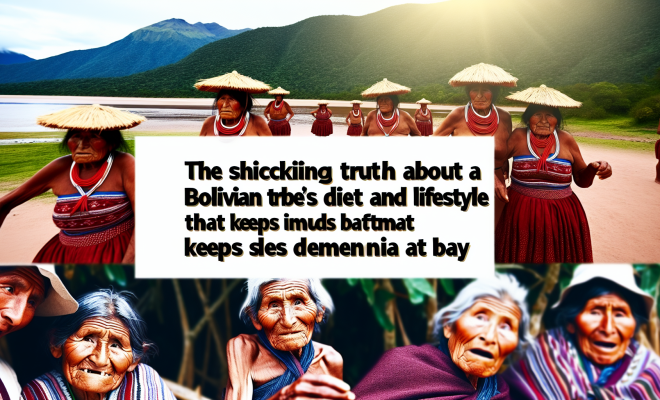
In a world where dementia is increasingly becoming a common affliction associated with aging, the shocking findings about the Tsimane people of Bolivia have ignited a buzz among health enthusiasts and scientists alike. The Tsimane tribe boasts an astonishingly low dementia rate of merely 1%. This figure starkly contrasts with the significantly higher rates found within Western populations, raising compelling questions about our diet and lifestyle choices. What exactly do the Tsimane eat, and how do they live that leads to such remarkable brain health into old age? This article delves deep into the lifestyle of the Tsimane, exploring the dietary habits, physical activity levels, and stress factors that contribute to their extraordinary cognitive resilience.
Understanding the Tsimane Tribe
The Tsimane people reside in the remote regions of Bolivia, living a lifestyle that is drastically different from that of urban populations in the Western world. With a population of around 16,000, the Tsimane have maintained their cultural heritage and traditional practices, which have remained largely untouched by modern influences. This isolation is believed to play a pivotal role in their overall health, particularly concerning cognitive function and the incidence of dementia.
The Diet of the Tsimane: Whole Foods Over Processed
One of the most striking aspects of the Tsimane tribe diet is its simplicity and reliance on whole, natural foods. The tribe’s diet predominantly consists of:
- Fruits
- Vegetables
- Fish
- Game meat
- Maize
- Rice
- Plantains
Processed foods are nearly absent from their diet, a stark contrast to the typical Western diet laden with additives, preservatives, and sugars. Researchers have concluded that this reliance on unprocessed foods plays a critical role in preventing cognitive decline. The abundance of antioxidants, vitamins, and healthy fats found in their diet is likely to contribute to their extraordinary brain health.
Moreover, the Tsimane people consume a diet high in carbohydrates but low in sugars and unhealthy fats. This means they are less likely to experience the spikes and crashes in blood sugar levels that can affect cognitive function. Studies have shown that high sugar intake is closely linked to cognitive decline and diseases such as Alzheimer’s, making the Tsimane’s dietary choices all the more significant.
Physical Activity: A Pillar of Tsimane Life
Alongside their extraordinary diet, the Tsimane engage in a lifestyle of intense physical activity. On average, they walk approximately 17,000 steps daily. This level of activity is a product of their traditional lifestyle, which involves foraging for food and engaging in agricultural practices. The demands of their daily life naturally integrate exercise into their routines, ensuring they remain physically fit throughout their lives.
Research has shown that regular physical activity is linked to better cognitive functioning and a lower risk of dementia. The Tsimane’s high levels of physical activity can be attributed to several factors:
- Hunting and gathering
- Agricultural labor
- Daily chores
Such constant movement not only keeps their bodies fit but also promotes excellent blood circulation, which is essential for maintaining healthy brain function. In contrast, sedentary lifestyles prevalent in many Western societies have been shown to contribute to cognitive decline.
Stress Levels: A Low-Stress Existence
Another factor that significantly contributes to the Tsimane’s cognitive health is their low-stress lifestyle. Traditional living, devoid of the pressures associated with modern urban life, allows the Tsimane to enjoy a tranquil existence. Stress has been shown to have detrimental effects on brain health, contributing to conditions such as anxiety, depression, and yes, dementia.
The Tsimane people maintain strong community bonds, which play a vital role in their mental wellbeing. Their social structure is deeply rooted in cooperation, shared responsibilities, and mutual support. This community-focused lifestyle fosters resilience to stress and emotional turmoil, further promoting cognitive health.
The Role of Genetics vs. Lifestyle Choices
The discovery of the Tsimane tribe’s low dementia rates poses critical questions about the factors contributing to cognitive decline. While genetics undoubtedly plays a role in determining one’s risk for dementia, the evidence suggests that lifestyle choices are equally, if not more, influential. This challenges the traditional belief that dementia is primarily a genetic disease.
The Tsimane’s lifestyle starkly contrasts with the typical modern lifestyle characterized by:
- High stress levels
- Processed foods
- Sedentary behavior
- Social isolation
These factors are often associated with increased risks of cognitive decline, suggesting that the true culprits behind the dementia epidemic in Western societies may lie in our daily choices rather than our genetic predispositions.
Implications for Modern Society
The insights gleaned from the Tsimane tribe’s diet and lifestyle present powerful implications for modern society. As the Western world grapples with rising rates of dementia and other cognitive disorders, it becomes increasingly clear that our current dietary and lifestyle habits may need reevaluation.
Adopting Lessons from the Tsimane
For those looking to adopt healthier lifestyle choices inspired by the Tsimane, consider the following actionable steps:
- Incorporate whole foods: Focus on consuming fruits, vegetables, whole grains, lean proteins, and healthy fats while minimizing processed foods.
- Increase physical activity: Aim for at least 30 minutes of moderate to intense exercise daily. This can include walking, gardening, or any form of movement that increases heart rate.
- Reduce stress: Engage in mindfulness practices such as meditation, yoga, or spending time in nature to lower stress levels.
- Build community: Foster strong social connections by engaging with friends, family, and community activities.
By making these changes, individuals may not only enhance their own brain health but also contribute to overall well-being.
Conclusion: A Call to Action
The remarkable health of the Tsimane people serves as a compelling reminder of the power of lifestyle choices in combating dementia. As we continue to uncover the factors that contribute to cognitive health, it’s essential to recognize that we have the ability to influence our health outcomes through our daily habits. The Tsimane tribe diet lifestyle dementia findings challenge us to rethink our nutritional and lifestyle approaches, urging a return to simpler, more natural ways of living.
In a world increasingly reliant on modern medicine and pharmaceutical interventions, the Tsimane people offer a game-changing perspective on how we might combat cognitive decline and promote longevity. By embracing the principles of their lifestyle, we may find ourselves better equipped to face the challenges of aging with resilience and clarity.