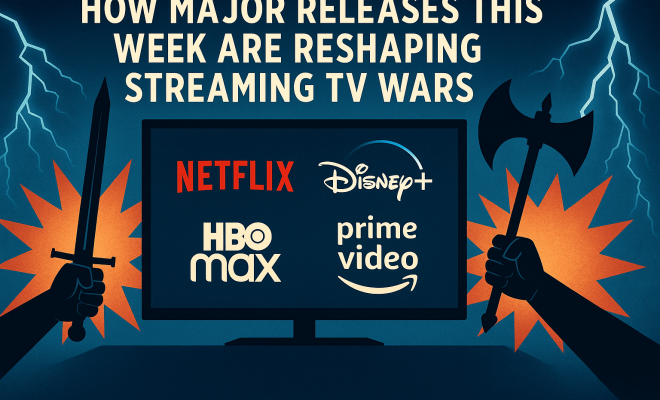
How Major Releases This Week Are Reshaping Streaming TV Wars
“`html
It seems like the world of streaming television is buzzing once again. After a lull in attention-grabbing content, multiple new releases have surged on the streaming charts, igniting discussions and debates among viewers. Shows like Paramount+’s Dutton Ranch, Netflix’s Nemesis, Prime Video’s Off Campus, and Peacock’s returning Love Island USA are not just filling screens; they’re filling social media feeds with excitement and chatter. This week’s streaming TV news is a reminder that entertainment consumption is not only about watching but also about sharing experiences and reactions in real-time.
The Revival of Streaming Excitement
After a few months where it felt like streaming platforms were struggling to deliver compelling content, this week marked a significant turnaround. The influx of recognizable franchises coupled with fresh releases has rekindled interest in streaming services. What does this mean for the future of TV? Is it possible that streaming TV has indeed regained its mojo?
This revival is crucial because the streaming wars are increasingly competitive. With everyone from Netflix to Disney+ continuously vying for viewer attention, the rush for new content can often feel overwhelming. However, this week’s releases have shown that the right combination of familiarity and novelty can draw viewers back in and even spark heated debates about which platform is currently winning.
Reality TV: A Driving Force
One of the standout elements in this week’s streaming TV news is the role of reality television, particularly shows like Love Island USA. Reality TV has a unique way of engaging audiences, often driving high levels of sharing and interaction. The drama, unexpected twists, and the ever-looming threat of eliminations keep viewers glued to their screens—and engaged in conversations across social media platforms.
As fans react to each episode, the sense of community builds, further amplifying the show’s reach. With every unexpected twist, social media lights up with reactions, memes, and heated debates about the contestants. This engagement creates a self-perpetuating cycle that not only boosts viewership numbers but also enhances the overall visibility of the platform.
The Line-Up of Compelling Releases
Now, let’s take a closer look at some of the notable new releases this week. Each of these titles has its own flavor, aiming to capture the attention of different audience segments:
- Dutton Ranch (Paramount+): Following the story of the Dutton family, this series continues to explore themes of power, land, and family dynamics. Its success isn’t just in its writing but in its ability to resonate with viewers who enjoy a gripping narrative.
- Nemesis (Netflix): This new thriller provides a fresh take on crime and vengeance, aiming to keep audiences on the edge of their seats. With a strong cast and high production values, it’s capturing attention and generating buzz.
- Off Campus (Prime Video): This coming-of-age comedy series has found a niche audience among younger viewers, offering a mix of humor and relatable situations that resonate with college life.
- Love Island USA (Peacock): As a mainstay in reality TV, its return means that fans can again engage in discussions about romance and strategy among contestants. The show’s format naturally encourages viewers to weigh in on relationships and eliminations.
Competition Among Movies
This week isn’t just about TV shows; there’s also a crowded field in the movie sector. Netflix’s David, Disney/Pixar’s Hoppers, the highly anticipated Scream 7, and Netflix’s romantic comedy Office Romance are all vying for attention. This competitive space reflects a strategic approach from these platforms to release multiple high-profile titles concurrently.
The competition is fierce, with both franchises and original content looking to capture the interest of viewers. The buzz around Scream 7, for instance, shows that horror franchises continue to have a dedicated fan base eager for new installments. Meanwhile, family-friendly movies like Hoppers aim to attract parents and children alike, proving that there’s content available for all demographics.
Franchises Making a Comeback
Franchises have always been a stronghold in entertainment, and their return in this week’s streaming TV news highlights the ongoing popularity of known brands. Nostalgia plays a significant role in attracting viewers who are eager to revisit familiar stories and characters. For example, Dutton Ranch leverages the success of its predecessors to pull viewers back into its narrative.
Similarly, the Scream franchise has successfully maintained its relevance by incorporating modern themes while retaining the essence that fans love. This balance between the old and the new is a strategy that more streaming platforms appear to be adopting as they navigate viewer preferences.
Social Media Buzz and Engagement
In addition to the compelling content, the social media buzz surrounding these releases cannot be overstated. Platforms like Twitter, Instagram, and TikTok have become hotbeds for discussions about plot points, character arcs, and even memes. This interaction is a treasure trove of marketing potential, turning casual viewers into active participants. (See: latest trends in streaming television.)
The concept of FOMO (fear of missing out) is palpable. When someone watches a pivotal episode of Love Island USA and shares their thoughts online, it can influence friends and followers to tune in as well. This cycle of social engagement not only fuels viewership but also fosters a sense of community among fans.
Chart-Watching: A New Narrative
The recent surge in streaming releases has led to an intriguing narrative around chart-watching. Fans are keen to see which shows and movies are performing best, and platforms are more than willing to provide that data. This transparency can create an environment where fans engage in discussions about which platform is leading the charge in the streaming wars.
As viewers compare numbers and rankings, it fosters a competitive spirit that can drive even more engagement. The act of chart-watching becomes a sport in its own right—who’s at the top, who’s sliding down, and who’s making a surprising comeback? This competitive element contributes to the overall excitement surrounding streaming content.
Future Trends in Streaming
As we analyze this week’s compelling releases and the subsequent engagement, it’s worth considering the future. Will platforms continue to deliver high-profile releases concurrently? Or will we see a shift towards strategic staggered releases to maintain viewer interest over time? The answer may lie in the evolving preferences of audiences.
Furthermore, as the lines between reality TV and scripted content continue to blur, platforms will likely explore new genres and formats. With reality TV drawing viewers into discussions and scripted content appealing to those looking for escape, there’s potential for hybrid formats that blend these elements, attracting an even wider audience.
The Role of Audience Feedback
As streaming services continue to compete for viewers’ attention, the role of audience feedback cannot be overlooked. Viewers are no longer passive consumers; they’re active participants in shaping the content landscape. Platforms are now more attuned to viewer preferences, using data analytics and social media trends to inform future releases.
This level of audience involvement can lead to more tailored content that resonates with viewers, which in turn, can drive higher engagement and loyalty. As we’ve seen this week, platforms that listen and adapt to audience feedback are more likely to thrive in this competitive environment.
Spotlight on New Genres
The current landscape of streaming TV is also seeing an emergence of innovative genres that combine various elements to keep audiences engaged. The blending of genres can lead to unique storytelling experiences that draw in diverse viewers. For instance, you might see a mix of documentary formats with reality TV, or even fantasy elements introduced into typical crime dramas. This genre-blending can create fresh narratives that intrigue viewers looking for something different.
Take, for example, the rise of docuseries that incorporate reality TV elements. Shows like Cheer and Last Chance U blend documentary storytelling with real-life drama, drawing audiences who appreciate both factual content and character-driven narratives. This strategy not only attracts a wider audience but also keeps current viewers engaged by constantly providing new forms of content to explore.
International Content on the Rise
One significant trend in the streaming TV world is the growing popularity of international content. With platforms investing heavily in foreign language programming, audiences are increasingly discovering shows and films from different countries. This is not only enriching the viewing experience but also diversifying the types of stories being told.
Shows like Money Heist from Spain and Squid Game from South Korea have proven that international series can become global hits. Not only do they bring fresh perspectives, but they also foster cross-cultural conversations among audiences worldwide. As viewers become more open to international content, streaming platforms are likely to continue broadening their catalogs to include diverse voices and stories.
Statistics of Streaming Engagement
According to a recent report by Nielsen, streaming accounted for over 30% of total TV usage in the United States. This percentage reflects a steady growth trend, illustrating how more viewers are making the switch from traditional broadcasting to streaming platforms. In addition, a study by Deloitte found that nearly 70% of Americans subscribe to at least one streaming service, with many opting for multiple subscriptions to access a variety of content. (See: insights on streaming TV competition.)
The growth of streaming is also evident in how quickly new releases can climb to the top of the charts. For example, Netflix reported that Nemesis became one of their most-watched titles within just a few days of its release. This rapid engagement not only highlights viewer enthusiasm but also shows how effective streaming platforms are at harnessing social media buzz to increase visibility and viewership.
Expert Perspectives
Industry experts are weighing in on the evolving landscape of streaming TV. According to media analyst Laura Martin, “The success of streaming platforms hinges on their ability to adapt to viewer preferences rapidly. With the sheer amount of content available, platforms must distinguish themselves through unique offerings and engaging formats.”
Additionally, veteran producer James Wong emphasizes, “Engagement isn’t just about the content anymore; it’s about creating a community. The platforms that leverage social media and audience feedback will thrive.” These insights underline the importance of evolving viewer engagement strategies in an increasingly competitive market.
Frequently Asked Questions (FAQ)
What is the current trend in streaming TV?
The current trend in streaming TV revolves around the return of popular franchises, the rise of reality TV, and the blending of genres. Additionally, international content is gaining traction as viewers become more open to diverse storytelling.
How do reality shows drive viewer engagement?
Reality shows like Love Island USA engage viewers through their unpredictable nature and relatable contestants, prompting discussions on social media. The excitement around eliminations and twists creates a sense of community among fans, driving further engagement.
What should we expect from the future of streaming platforms?
In the future, we can expect streaming platforms to continue releasing high-profile content while also exploring unique genres and formats. The focus will likely be on personalized content and building viewer communities through social media interaction.
Is international content becoming more popular?
Yes, international content is seeing a significant rise in popularity, with many streaming platforms investing in foreign language programming. This trend broadens audience access to diverse stories and perspectives, enriching the overall viewing experience.
How do streaming platforms use audience feedback?
Streaming platforms utilize audience feedback through data analytics and social media trends to inform their content strategies. By paying attention to viewer preferences, they can tailor offerings that resonate more effectively with audiences, ensuring sustained engagement.
The Impact of Streaming on Traditional Media
As streaming platforms gain popularity, traditional media outlets are feeling the heat. Viewers are increasingly favoring on-demand content over scheduled programming. This shift is reshaping how networks operate. For instance, many cable channels are now adopting streaming models, offering their content online to compete with the likes of Netflix and Hulu.
In fact, according to a survey by the Pew Research Center, over 50% of adults in the U.S. reported canceling or planning to cancel their cable subscriptions in favor of streaming services. This trend demonstrates a significant change in consumer behavior and suggests that traditional media must adapt or risk becoming obsolete. (See: impact of media on mental health.)
Streaming Generation: The New Audience
The demographic profile of streaming audiences is shifting. Younger viewers are spending less time with traditional TV and more time on streaming platforms. Gen Z and Millennials, in particular, prefer the flexibility and variety that streaming offers. This generation values authenticity, diverse representation, and social consciousness in the content they consume.
According to a recent report from Statista, streaming services are projected to reach 1.1 billion subscribers worldwide by 2025. This growth reflects the increasing dependence of younger audiences on streaming for their entertainment needs. Networks and studios are taking note, adapting their content and marketing strategies to cater to this new demographic.
The Future of Live Streaming Events
One exciting trend in streaming is the rise of live streaming events, including concerts, sports, and award shows. Platforms like Amazon Prime Video and Apple TV+ are experimenting with live events to attract viewers looking for real-time experiences. This not only provides a sense of urgency but also taps into the communal aspect of viewing.
For example, in 2022, Amazon Prime hosted a live concert featuring a popular band, which drew significant viewership and engagement. Live streaming events create opportunities for social interaction and real-time discussions among fans, enhancing the overall experience. As this trend continues, we may see more platforms investing in live content to diversify their offerings.
The Rise of User-Generated Content
User-generated content is also becoming a significant player in the streaming landscape. Platforms like TikTok and YouTube have paved the way for audiences to create and share their content. Streaming services are starting to recognize the value of this trend by integrating user-generated content into their platforms.
For instance, Netflix has introduced interactive shows like Bandersnatch, where viewers can make choices that affect the storyline. This approach not only engages existing fans but also attracts new audiences who enjoy creating and sharing their experiences. The blending of professional and user-generated content could shape the future of how we consume entertainment.
Conclusion: A Bright Week for Streaming TV
This week in streaming TV news has reminded us that the entertainment landscape is far from stagnant. With a blend of new releases, franchise returns, and the ever-engaging world of reality television, viewers have ample content to dive into. The competitive nature of streaming platforms, coupled with social media engagement and audience feedback, illustrates a dynamic environment that is constantly evolving.
As we head into the future, the key for streaming services will be to continue harnessing this momentum. By delivering compelling content that resonates with audiences and encourages engagement, the streaming wars are just heating up. So, grab your remote and prepare for what’s next—there’s never been a better time to be a fan of streaming TV.
“`
Trending Now
Frequently Asked Questions
What major releases are reshaping the streaming TV landscape this week?
This week, major releases like Paramount+’s 'Dutton Ranch', Netflix’s 'Nemesis', Prime Video’s 'Off Campus', and Peacock’s returning 'Love Island USA' are making waves. These titles are not only drawing viewers but are also sparking conversations on social media, highlighting a resurgence in streaming excitement.
How are new streaming releases affecting viewer engagement?
The influx of new and recognizable content has reignited viewer interest in streaming services. This week's releases demonstrate that a mix of familiar franchises and fresh shows can effectively draw audiences back, encouraging real-time sharing and discussions, which are crucial for viewer engagement.
Why is reality TV important in the current streaming wars?
Reality TV, particularly shows like 'Love Island USA', plays a significant role in the streaming landscape by fostering high levels of viewer interaction and engagement. The drama and unpredictability of reality shows keep audiences captivated, encouraging them to share their reactions and build a sense of community.
What does the revival of streaming excitement mean for the future of TV?
The recent surge in compelling content suggests that streaming platforms may have regained their momentum in attracting viewers. This revival indicates that the streaming wars will likely intensify, with platforms needing to continuously innovate and deliver engaging content to maintain viewer loyalty.
How do social media reactions impact streaming shows?
Social media reactions amplify the reach of streaming shows, as fans share their thoughts and experiences in real-time. This engagement fosters a sense of community among viewers, which can enhance the show's popularity and influence discussions about which streaming platform is currently leading.
What’s your take on this? Share your thoughts in the comments below — we read every one.