Master Your CPAP Machine: A Comprehensive User Guide
“`html
For those suffering from sleep apnea, using a CPAP (Continuous Positive Airway Pressure) machine can be a transformative experience. If you’re among the millions of individuals who have been prescribed this device, understanding how to use a CPAP machine properly is crucial for reaping its benefits. This comprehensive guide will walk you through the essential steps, tips, and insights on effectively integrating this technology into your nightly routine.
1. What is a CPAP Machine?
A CPAP machine is designed to help individuals with obstructive sleep apnea (OSA) breathe more easily during sleep. Unlike standard sleep techniques, which often rely on medication or lifestyle changes alone, CPAP therapy uses a machine that delivers a constant stream of air through a mask, keeping the airway open and preventing interruptions in breathing.
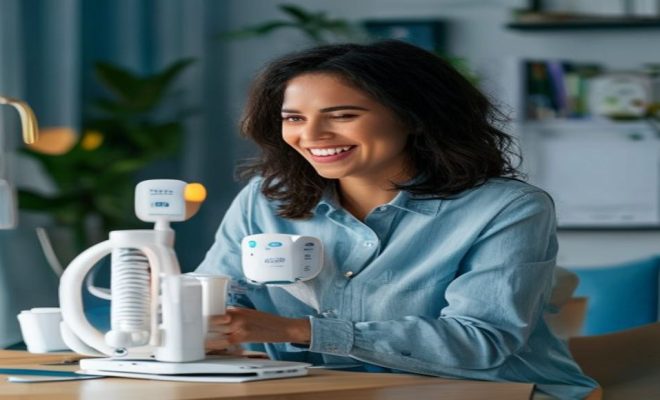
Understanding the technology behind the CPAP machine is vital. It consists of a motor that creates airflow, a hose that connects to the mask, and the mask itself, which can come in various styles such as nasal masks, full face masks, or nasal pillows. As you learn how to use a CPAP machine, knowing your specific type can influence your comfort and effectiveness.
2. Getting Started: Consultation and Setup
The journey toward using a CPAP machine begins with a consultation with a sleep specialist. They will typically conduct a sleep study, either at a clinic or through a home test, to diagnose sleep apnea and determine the appropriate pressure settings for your CPAP machine.
Once prescribed, the next step involves obtaining your equipment. Many insurance plans cover CPAP machines, so it’s wise to check with your provider for specifics. When you receive your machine, it will likely come with a user manual. Take the time to read through it, as it will guide you through the setup process and provide crucial information about maintenance.
3. How to Use a CPAP Machine: The Setup Process
Setting up your CPAP machine is a straightforward process. First, choose a comfortable and stable location near a power outlet. Place the machine on a flat surface, ideally on a nightstand, to keep it accessible. Next, connect the hose to the CPAP device according to the instructions in your manual. Make sure the connections are secure to avoid any leaks.
Fill the humidifier chamber with distilled water if your CPAP machine includes one—this helps prevent dryness in your airways. Adjust the pressure settings as prescribed by your doctor, and be aware of any noise your machine might make; most modern models operate quietly, but it’s good to know what to expect.
4. Choosing the Right Mask: Comfort is Key
Choosing the right mask is critical for ensuring your CPAP therapy is effective. There are three primary types of masks: nasal masks, full face masks, and nasal pillows. Nasal masks cover the nose and are less intrusive, while full face masks cover both the nose and mouth, making them ideal for those who breathe through their mouths at night. Nasal pillows, on the other hand, sit just inside the nostrils and are usually the least obtrusive option.
When selecting a mask, comfort and fit should be your top priorities. Many CPAP suppliers offer a fitting service where you can try different masks to find the best match. Remember, a well-fitted mask should create a seal without being overly tight, preventing air leaks that can disrupt your therapy.
5. Tips for Getting Used to Your CPAP Machine
Adapting to a CPAP machine can take some time, and it’s not uncommon for new users to experience discomfort or resistance. To ease this transition, start by using the machine for short periods while awake—this will help you acclimate to the sensation of airflow and the mask on your face.
Another helpful tip is to practice relaxation techniques before bed. Deep breathing or light meditation can help reduce anxiety about using the equipment. Additionally, consider using the ramp feature if your machine has one, which gradually increases air pressure, allowing you to fall asleep without feeling overwhelmed by airflow. (See: CDC on sleep health and apnea.)
6. Maintenance and Cleaning: Keeping Your CPAP in Top Shape
Regular maintenance is essential for ensuring your CPAP machine operates smoothly and for your health. At a minimum, clean your mask, tubing, and humidifier every week. Use warm, soapy water for the mask and tubing, and rinse thoroughly. The humidifier chamber should also be cleaned to prevent mold and bacteria buildup.
Replace your CPAP supplies regularly—most manufacturers recommend changing the mask every 3-6 months and the tubing every 6-12 months. Keeping an eye on these changes can significantly affect your comfort and therapy success.
7. Traveling with a CPAP Machine
Traveling doesn’t have to mean the end of effective CPAP therapy. Most CPAP machines are portable, and many manufacturers offer travel-sized models. When planning a trip, pack your CPAP machine carefully in a dedicated bag to avoid damage.
Make sure to check airline regulations regarding medical devices and be prepared to show your prescription if necessary. If you’re flying, consider how you’ll manage power sources; many CPAP machines can operate on battery power, or you can request a power outlet in advance when flying.
8. Monitoring Progress: Knowing When to Seek Help
Using a CPAP machine is a process that involves continual monitoring and adjustment. It’s essential to pay attention to how you feel after a few weeks of using the machine. Many individuals notice improvements in energy levels and overall sleep quality, but if you’re not seeing the expected benefits, it may be time to consult your physician.
Many modern CPAP machines come equipped with data tracking capabilities, allowing you to monitor usage patterns and compliance. Reviewing this data with your healthcare provider can help identify any issues with your therapy and guide adjustments to your equipment or settings.
9. Current Trends and Innovations in CPAP Technology
The landscape of CPAP technology is continually evolving. Recent innovations include auto-adjusting pressure settings that adapt to your breathing patterns, integrated wireless connectivity for data tracking, and more ergonomic mask designs that enhance comfort. These advancements aim to improve compliance and the overall user experience.
Additionally, there’s a growing focus on addressing the stigma surrounding CPAP therapy. Support groups and online communities are becoming more prevalent, offering valuable resources for users to share experiences and tips. Access to telehealth services for ongoing support and follow-up appointments has become more common, ensuring that patients can maintain their therapy with ease.
10. Understanding Sleep Apnea and Its Impacts
Sleep apnea is more than just a snoring issue; it’s a serious medical condition that can lead to various health complications if left untreated. Studies indicate that individuals with sleep apnea are at a higher risk for conditions such as hypertension, heart disease, and type 2 diabetes. The repeated interruptions in breathing can lead to decreased oxygen levels in the blood, which can strain the cardiovascular system.
Approximately 22 million Americans suffer from sleep apnea, and many remain undiagnosed. It’s crucial to recognize the signs, including loud snoring, gasping for air during sleep, and excessive daytime fatigue. Understanding these impacts can motivate individuals to seek diagnosis and treatment options like CPAP therapy.
11. Exploring Alternatives to CPAP Therapy
While CPAP therapy is the most commonly prescribed treatment for obstructive sleep apnea, it’s not the only option available. Some individuals may benefit from alternatives such as dental appliances, which reposition the jaw to keep the airway open. These are particularly effective for mild to moderate cases of sleep apnea.
Additionally, lifestyle changes can have a significant impact. Weight loss, positional therapy (sleeping on one’s side), and avoiding alcohol and sedatives can reduce the severity of sleep apnea symptoms. Surgical options also exist for those who do not respond well to CPAP or other therapies. (See: NHLBI overview of sleep apnea.)
Before making any changes to your treatment plan, consult your healthcare provider to discuss the best options for your specific situation.
12. Frequently Asked Questions (FAQs)
Q1: How long does it take to get used to a CPAP machine?
A: The adjustment period varies for each individual. Many people start to feel comfortable within a few days to a few weeks. It’s important to be patient and give yourself time to adapt.
Q2: What should I do if my CPAP mask leaks?
A: If your mask leaks, check for proper fit and adjust the straps as necessary. Ensure that the mask is clean and free of any obstructions. If issues persist, consult your supplier for a fitting or a different mask style.
Q3: Can I use a CPAP machine if I have a cold or allergies?
A: Yes, but you may need to adjust your humidifier settings to alleviate dryness. If symptoms worsen, consult your physician for advice on whether to continue use during illness.
Q4: Is it safe to use a CPAP machine during pregnancy?
A: Using a CPAP machine during pregnancy is generally safe and may be necessary for those with diagnosed sleep apnea. Always discuss your specific situation with your healthcare provider.
Q5: How much does a CPAP machine typically cost?
A: The cost of CPAP machines can range from $500 to $3,000, depending on the model and features. Many insurance plans cover a portion of the costs, so it’s best to check with your provider.
Q6: What are the long-term benefits of using a CPAP machine?
A: Consistent use of a CPAP machine can lead to significant health improvements, including better sleep quality, reduced daytime fatigue, improved mood, and a lower risk of associated health conditions such as heart disease and stroke. Many users report feeling more alert and productive during the day after adhering to their CPAP therapy.
Q7: Can I still sleep on my side while using a CPAP machine?
A: Absolutely! Many CPAP users sleep on their sides without any issues. However, it’s essential to choose a mask that fits well and is comfortable in that position. Some masks are designed specifically for side sleepers, so it’s worth exploring those options if you find side-sleeping more comfortable.
Q8: What should I do if I feel claustrophobic wearing my CPAP mask?
A: If you feel claustrophobic, it’s helpful to gradually acclimate yourself to the mask. Start by wearing it for short periods while awake. You can also explore different mask styles that may feel less restrictive. Discussing your feelings with your healthcare provider can help them suggest alternatives or adjustments to improve your comfort.
13. Incorporating CPAP Therapy into Your Routine
Making CPAP therapy a part of your nightly routine can enhance your compliance and ensure you get the most out of your treatment. Establish a consistent bedtime routine that includes preparing your CPAP machine and mask, as well as creating a calming environment conducive to sleep. Some users find it helpful to keep a log of their nightly usage and any feelings of fatigue or alertness during the day, which can offer insights into the effectiveness of their therapy. (See: Wikipedia entry on CPAP therapy.)
Engaging family members in your therapy can also help. Inform them about your condition and treatment, so they can support you throughout this journey. They can help remind you to use the machine or assist in troubleshooting any issues you may encounter.
Setting a specific bedtime and waking up at the same time every day reinforces your body’s natural circadian rhythms. Consider incorporating other sleep hygiene practices, such as dimming the lights an hour before bed and avoiding screens, to promote better sleep quality overall.
Some individuals also find it beneficial to create a specific “CPAP station” in their bedroom, where all accessories and the machine are organized in one place. This can reduce stress and streamline your nightly routine, making it easier to stick to your therapy.
14. Final Thoughts on CPAP Therapy
Understanding how to use a CPAP machine effectively is crucial for maximizing its benefits for your sleep health. Embracing this journey with an open mind and a willingness to adapt can lead to better nights and improved health outcomes. Don’t hesitate to reach out for support, whether from healthcare providers, support groups, or online communities. The more informed and engaged you are, the better your chances of success with CPAP therapy.
15. Community Support and Resources
Finding community support can significantly enhance your experience with CPAP therapy. Many online forums and local support groups exist where you can connect with others who share similar experiences. Engaging in these communities provides an opportunity to exchange tips and personal stories, which can be incredibly encouraging and insightful.
Websites like MyApnea.org allow users to share their journey and learn from one another. Many manufacturers also have dedicated forums where users can ask questions directly related to specific models and get advice from experienced users.
In addition to online resources, consider speaking to your healthcare provider about local support groups. These gatherings often facilitate discussions on coping strategies, mask fitting workshops, and guest speakers that include sleep experts. Connecting with others who understand your journey can provide you with motivation and new perspectives on managing your sleep apnea.
“`
Trending Now
Frequently Asked Questions
What is the purpose of a CPAP machine?
A CPAP machine is designed to assist individuals with obstructive sleep apnea (OSA) by delivering a continuous stream of air through a mask. This helps keep the airway open during sleep, preventing interruptions in breathing and improving overall sleep quality.
How do I set up my CPAP machine?
To set up your CPAP machine, start by reading the user manual that comes with it. Connect the hose to the machine and the mask, adjust the straps for a comfortable fit, and ensure the machine is plugged in and turned on before use. Follow any specific instructions provided during your consultation.
Do I need a prescription for a CPAP machine?
Yes, a prescription is typically required for a CPAP machine. A sleep specialist will conduct a sleep study to diagnose sleep apnea and determine the appropriate pressure settings before prescribing the device.
What types of masks are available for CPAP machines?
CPAP machines come with various mask styles, including nasal masks, full face masks, and nasal pillows. The choice of mask can influence comfort and effectiveness, so it's important to select one that suits your breathing patterns and personal preferences.
How can I maintain my CPAP machine?
To maintain your CPAP machine, regularly clean the mask, hose, and water chamber with mild soap and warm water. Replace disposable filters as recommended and check the machine for any signs of wear or damage. Always refer to the user manual for specific maintenance guidelines.
Agree or disagree? Drop a comment and tell us what you think.