How to buy Bitcoin for beginners
“`html
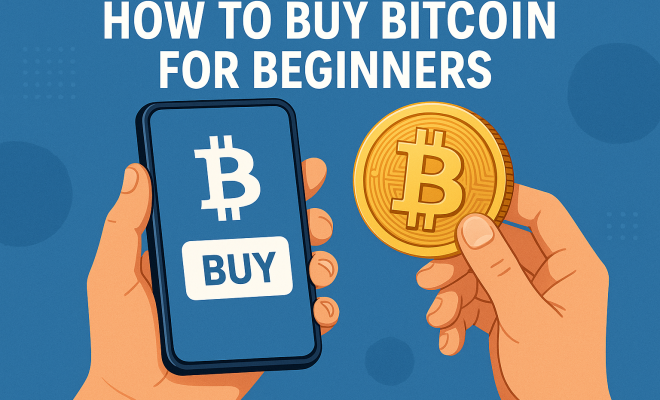
Bitcoin has rapidly gained traction as a revolutionary form of digital currency since its inception in 2009. For those interested in investing, learning how to buy Bitcoin for beginners can feel daunting. With a wealth of information available, it’s crucial to break down the process into manageable steps. This guide will walk you through everything from understanding what Bitcoin is, to choosing the right platform for your purchase, ensuring you make informed decisions throughout your investing journey.
1. Understanding Bitcoin: The Basics
Before you start buying Bitcoin, it’s essential to understand what it is. Bitcoin is a decentralized digital currency that operates on a technology called blockchain. Unlike traditional currencies, Bitcoin isn’t issued by a central authority, which means it’s immune to government interference or manipulation. The magic of Bitcoin lies in its cryptography, which secures transactions and controls the creation of new units.
Bitcoin was created by an individual or group using the pseudonym Satoshi Nakamoto. The idea was to create a peer-to-peer electronic cash system, enabling users to transact directly without the need for intermediaries like banks. Today, Bitcoin has become a popular investment vehicle and a store of value, often referred to as “digital gold.” As of late 2023, Bitcoin remains the largest cryptocurrency by market capitalization, making it an appealing option for first-time investors.
2. Why Invest in Bitcoin?
The decision to buy Bitcoin for beginners often stems from a desire for diversification in an investment portfolio. Here are a few reasons why many are drawn to Bitcoin:
- Potential for High Returns: Bitcoin has experienced significant price fluctuations, with early investors reaping substantial rewards. Its price surged from under $1,000 in 2017 to an all-time high of nearly $64,000 in 2021.
- Inflation Hedge: Many investors view Bitcoin as a safeguard against inflation. With central banks printing money, Bitcoin’s limited supply (capped at 21 million coins) makes it an appealing alternative to fiat currency.
- Growing Adoption: Bitcoin is increasingly accepted by merchants, service providers, and even some institutions. As its use becomes more widespread, its demand and value may continue to rise.
However, it’s essential to approach Bitcoin investment with caution, as it carries risks. Prices can be highly volatile, and investors should only invest what they can afford to lose. Additionally, understanding the underlying technology, market trends, and economic factors can further equip you for success.
3. Researching Cryptocurrency Exchanges
Choosing the right platform to buy Bitcoin is crucial. There are numerous cryptocurrency exchanges, each with its pros and cons. Here are some factors to consider:
- Security: Look for exchanges with robust security features, such as two-factor authentication (2FA) and cold storage for funds.
- User Experience: For beginners, a user-friendly interface is vital. Ensure the platform is easy to navigate, especially when making your first purchase.
- Fees: Different exchanges have varying fee structures, including trading fees, withdrawal fees, and deposit fees. Compare these costs to find the most economical option for your needs.
- Reputation: Research user reviews and the exchange’s overall reputation in the crypto community. Trusted exchanges often have a solid track record.
Popular exchanges for beginners include Coinbase, Binance, and Kraken, each offering unique features that cater to different types of users. For example, Coinbase is known for its ease of use and educational resources, while Binance is favored for its variety of trading options.
4. Creating Your Account
Once you’ve selected an exchange, the next step is to create an account. This process typically involves providing your email address and creating a password. However, due to regulatory requirements, most exchanges will require you to complete a verification process. Here’s how to go about it: (See: Understanding Bitcoin: The Basics.)
- Identity Verification: Be prepared to submit personal information, including your name, address, and a government-issued ID. This step helps prevent fraud and complies with Know Your Customer (KYC) regulations.
- Linking Your Payment Method: You’ll need to link a payment method to fund your account. Common options include bank transfers, credit/debit cards, and sometimes even PayPal or other e-wallets.
After your account is set up and verified, you’re ready to start buying Bitcoin. Ensure all your information is accurate to avoid issues later on.
5. Funding Your Account
To buy Bitcoin, you’ll need to deposit funds into your exchange account. The funding methods vary, but here’s a breakdown of the most common options:
- Bank Transfer: This is often the most cost-effective method, though it can take a few days for funds to clear.
- Credit/Debit Card: While this method is instant, it often incurs higher fees. Some exchanges may not allow card purchases due to chargeback risks.
- Cryptocurrency Transfer: If you already own other cryptocurrencies, you can transfer them into your exchange account and trade them for Bitcoin.
Always review the fees associated with each payment method, as they can significantly impact your overall investment. Once your account is funded, you’ll be ready to make your first Bitcoin purchase.
6. Executing Your First Bitcoin Purchase
Now comes the exciting part—actually buying Bitcoin! Here’s a simple breakdown of how to execute your purchase:
- Select Bitcoin: Navigate to the trading section of the exchange and select Bitcoin from the list of available cryptocurrencies.
- Choose Your Order Type: Most exchanges will offer different order types. A market order lets you buy Bitcoin at the current market price, while a limit order allows you to set a price at which you’re willing to buy.
- Enter the Amount: Specify how much Bitcoin you want to purchase. This can be in full coins or fractions of a coin, as Bitcoin is divisible up to eight decimal places.
- Review and Confirm: Before you finalize your purchase, review the transaction details, including fees. Once you’re satisfied, confirm the transaction.
After the purchase, your Bitcoin will be credited to your exchange wallet. Keep in mind that while it’s convenient to store Bitcoin on the exchange, it’s not the safest option. For long-term holdings, transferring your Bitcoin to a secure wallet is advisable.
7. Storing Your Bitcoin Securely
Security is paramount in the world of cryptocurrency. While you can keep your Bitcoin on the exchange, it’s wise to transfer it to a secure wallet. There are two main types of wallets:
- Hot Wallets: These are online wallets that are connected to the internet, making them easily accessible. While convenient, they’re more vulnerable to hacking.
- Cold Wallets: These are offline wallets, such as hardware wallets (like Ledger and Trezor) or paper wallets. They offer a higher level of security since they’re not connected to the internet.
For beginners, a hot wallet may suffice for smaller amounts or short-term trading, but for holding larger quantities of Bitcoin long-term, a cold wallet is recommended. Always back up your wallet and use strong passwords. It’s also a good practice to store your recovery phrases in a secure place.
8. Staying Informed and Safe
The cryptocurrency landscape is ever-changing, and staying informed is crucial for anyone looking to buy Bitcoin for beginners. Here are a few tips to help you stay up-to-date and safe:
- Follow Credible News Sources: Websites like CoinDesk and CoinTelegraph provide news and analysis on the crypto market.
- Engage with the Community: Online forums and social media platforms can be valuable resources for insights and advice. Joining groups on Reddit or Twitter can keep you connected.
- Be Aware of Scams: The crypto space is rife with scams. Always verify sources before clicking on links or providing personal information. Be cautious of unsolicited offers or investment schemes.
- Regularly Update Your Knowledge: New developments in the crypto space happen frequently. Participate in webinars, listen to podcasts, and follow industry leaders to stay informed.
Investing in Bitcoin can be an exciting endeavor, and understanding the ins and outs of the process is essential for success. By following these steps and remaining cautious, you’ll be well on your way to confidently purchasing Bitcoin. (See: Bitcoin and its impact on society.)
9. Understanding Bitcoin Volatility
One of the most notable aspects of Bitcoin is its price volatility. Bitcoin has seen wild price swings, with daily price changes sometimes exceeding 10%. For instance, in April 2021, Bitcoin’s price dropped from around $63,000 to nearly $30,000 in just a few weeks. This volatility can be attributed to several factors:
- Market Sentiment: News events, regulatory changes, and the overall mood of the market can cause dramatic price movements. Positive news can lead to buying frenzies, while negative news can trigger panic selling.
- Liquidity Levels: Bitcoin has a relatively low market cap compared to traditional assets like gold or stocks. This can lead to larger price swings as trades of significant size can dramatically impact the price.
- Institutional Investment: As more institutional investors enter the market, their buying or selling actions can lead to large shifts in price. For example, Tesla’s investment in Bitcoin had a significant impact on the market when it was announced.
For beginners, understanding this volatility is crucial. While the potential for high returns is enticing, it also means that losses can be significant. Many experts recommend that new investors only allocate a small portion of their portfolio to Bitcoin, especially while they’re still learning the landscape. Keeping a cool head during market fluctuations can help you make more rational, informed decisions.
10. Tax Implications of Buying Bitcoin
When you buy Bitcoin, it’s essential to consider the tax implications. In many countries, Bitcoin is treated as a property rather than currency for tax purposes. This means that any gains made from selling Bitcoin may be subject to capital gains tax. Here are some key points to keep in mind:
- Taxable Events: Selling Bitcoin for a profit, exchanging it for goods or services, or trading Bitcoin for another cryptocurrency can trigger a taxable event. It’s important to keep thorough records of your transactions.
- Holding Period: The tax rate may vary based on how long you hold your Bitcoin. Many jurisdictions distinguish between short-term (held for less than one year) and long-term (held for more than one year) capital gains.
- Losses Are Offset: If you sell Bitcoin at a loss, you can use those losses to offset gains from other investments, reducing your overall tax liability.
Consulting with a tax professional can help ensure you comply with regulations in your area. Understanding these details can help you avoid unpleasant surprises when tax season arrives. Keeping accurate records of your purchases, sales, and even the fees associated with transactions can aid in accurate reporting.
11. Common Mistakes to Avoid
As a beginner, it’s easy to make mistakes when you first start buying Bitcoin. Here are some common pitfalls and how to avoid them:
- Investing More Than You Can Afford to Lose: It’s crucial to only invest money that you can afford to lose. The volatility can lead to significant losses, so it’s essential to invest wisely.
- Neglecting Security: Many beginners overlook security measures. Always use strong passwords, enable two-factor authentication, and consider using a hardware wallet for long-term storage.
- Falling for Scams: The crypto market is rife with scams, from phishing attacks to fraudulent investment schemes. Always do your research and verify sources before making any investment.
- Not Doing Enough Research: Before making a purchase, take the time to understand the market, different exchanges, and the overall crypto landscape. Lack of knowledge can lead to poor investment decisions.
- Ignoring Market Trends: Keeping an eye on market trends, technical analysis, and news can help you make better timing decisions for buying and selling.
Avoiding these mistakes can help mitigate risks and create a more rewarding investment experience.
12. Frequently Asked Questions (FAQs)
As you embark on your journey to buy Bitcoin for beginners, you might have a few questions. Here are some frequently asked questions that could help clarify your understanding:
- Is Bitcoin legal? In most countries, Bitcoin is legal to buy, sell, and hold. However, some nations have imposed restrictions or outright bans. Always check your local regulations.
- Can I buy a fraction of a Bitcoin? Yes, Bitcoin is divisible, and you can buy as little as a single satoshi, which is one hundred millionth of a Bitcoin (0.00000001 BTC).
- What is the best time to buy Bitcoin? Timing the market can be challenging. Many experts suggest dollar-cost averaging, which involves investing a fixed amount at regular intervals, to mitigate the impact of volatility.
- Do I need a wallet to buy Bitcoin? While you can buy Bitcoin on exchanges without a wallet, it’s advisable to have a wallet for security reasons, especially if you plan to hold your Bitcoin long-term.
- How do I sell my Bitcoin? Selling Bitcoin can typically be done on the same exchange where you purchased it. Simply navigate to the trading section, choose the option to sell, and follow the prompts.
- Are Bitcoin transactions anonymous? While Bitcoin transactions are pseudonymous—meaning they don’t directly identify users—transactions are recorded on a public ledger. This means that if someone can link a wallet address to an identity, they may trace transactions.
- Can I use Bitcoin for everyday purchases? Yes, many merchants now accept Bitcoin as a payment method. However, its use as a currency is still limited compared to traditional payment methods.
These questions touch on some fundamental aspects of buying Bitcoin and can help guide your initial steps in the world of cryptocurrency. (See: Bitcoin as a popular investment vehicle.)
13. The Future of Bitcoin
Looking ahead, the future of Bitcoin is a hot topic among investors and analysts alike. Here are some potential trends and considerations for the future of Bitcoin:
- Increased Adoption: As more businesses and individuals recognize the benefits of Bitcoin, its adoption is likely to increase. Major companies accepting Bitcoin as a payment method can drive demand and legitimacy.
- Regulatory Developments: Governments are increasingly scrutinizing cryptocurrencies. Regulatory clarity can impact Bitcoin’s future significantly, either by fostering growth or imposing restrictions.
- Technological Advancements: Innovations such as the Lightning Network aim to enhance Bitcoin’s scalability and transaction speed, making it more viable for everyday use.
- Institutional Investment: The participation of institutional investors can lead to greater market stability and legitimacy. As more hedge funds and corporations invest in Bitcoin, it could reshape its market dynamics.
- Environmental Concerns: Bitcoin mining has drawn criticism for its environmental impact due to high energy consumption. Future developments may address these concerns, such as transitioning to more sustainable energy sources.
Understanding these potential trends can help you make more informed decisions as you invest in Bitcoin. While the future of Bitcoin is uncertain, its ability to adapt to changing market conditions will likely play a critical role in its ongoing acceptance.
Investing in Bitcoin can be an exciting and potentially rewarding journey. By educating yourself on the basics, understanding the risks, and staying informed about market developments, you’re better equipped to navigate the world of cryptocurrency with confidence. Remember to take your time, avoid common pitfalls, and continuously seek knowledge as you embark on this financial adventure.
14. Further Resources for Bitcoin Beginners
If you’re serious about diving deeper into the world of Bitcoin, several resources can help you expand your knowledge:
- Books: There are numerous books on Bitcoin and cryptocurrencies. Popular choices include “The Bitcoin Standard” by Saifedean Ammous, which explores Bitcoin’s economic implications, and “Mastering Bitcoin” by Andreas M. Antonopoulos, which provides in-depth technical insights.
- Online Courses: Websites like Coursera and Udemy offer courses on Bitcoin and blockchain technology for beginners and advanced users alike. These can range from general overviews to specialized topics.
- Podcasts: Listening to podcasts can be a convenient way to learn. Shows like “The Pomp Podcast” by Anthony Pompliano and “Unchained” by Laura Shin feature interviews with experts and discussions on the latest trends in Bitcoin and cryptocurrency.
- YouTube Channels: Channels like “DataDash” and “Crypto Zombie” provide daily updates, insights, and analyses that can help you stay current on market trends.
- Newsletters: Subscribing to cryptocurrency newsletters can keep you informed about developments. Popular options include “CoinDesk’s Daily News” and “The Block’s Newsletter.”
By immersing yourself in these resources, you can develop a well-rounded understanding of Bitcoin, helping you to make informed decisions as you navigate your investment journey.
“`
Trending Now
Frequently Asked Questions
What is Bitcoin and how does it work?
Bitcoin is a decentralized digital currency that operates on blockchain technology. It allows users to make peer-to-peer transactions without the need for intermediaries like banks. Transactions are secured through cryptography, ensuring the integrity and creation of new units.
Why should beginners invest in Bitcoin?
Beginners may consider investing in Bitcoin for several reasons, including the potential for high returns, as its price has experienced significant fluctuations. Additionally, many view it as a hedge against inflation, offering a way to diversify an investment portfolio.
How can I buy Bitcoin for the first time?
To buy Bitcoin for the first time, start by understanding the basics of Bitcoin and blockchain. Choose a reliable cryptocurrency exchange, create an account, verify your identity, and then purchase Bitcoin using your preferred payment method. Always ensure you secure your investment.
What are the risks of investing in Bitcoin?
Investing in Bitcoin carries several risks, including price volatility, regulatory changes, and potential security issues. The cryptocurrency market can be unpredictable, so it’s essential for beginners to conduct thorough research and only invest what they can afford to lose.
Is Bitcoin a good investment for beginners?
Bitcoin can be a good investment for beginners due to its potential for high returns and growing popularity as a store of value. However, it’s crucial to understand the risks involved and to approach investing with caution and informed strategies.
Have you experienced this yourself? We’d love to hear your story in the comments.