7 Early ADHD Signs Parents Miss: A Wake-Up Call for Families
“`html
In a world where our children’s well-being is paramount, the recent buzz surrounding the early signs of ADHD (Attention Deficit Hyperactivity Disorder) has sent shockwaves through parenting communities. A viral Instagram reel has sparked an urgent conversation, revealing behaviors that many parents frequently overlook. It’s a wake-up call for families, highlighting the need for early identification and support. With millions engaging in this discussion, the question arises: Are you aware of the early signs of ADHD in your child?
What is ADHD?
ADHD, or Attention Deficit Hyperactivity Disorder, is a neurological condition that affects both children and adults. Characterized by patterns of inattention, hyperactivity, and impulsivity, ADHD can significantly impact a child’s ability to function in school, home, and social settings. Understanding the early signs of ADHD is crucial because early diagnosis and intervention can lead to better outcomes for affected children.
The Impact of Early Intervention
Early intervention is vital for children with ADHD. Research shows that when ADHD is diagnosed early, families can implement strategies and support systems that foster success. Children who receive timely help often experience improved academic performance, better relationships with peers, and enhanced self-esteem. On the flip side, missing these early signs can lead to a cascade of challenges, including academic struggles and emotional distress.
Behavioral Signs to Watch For
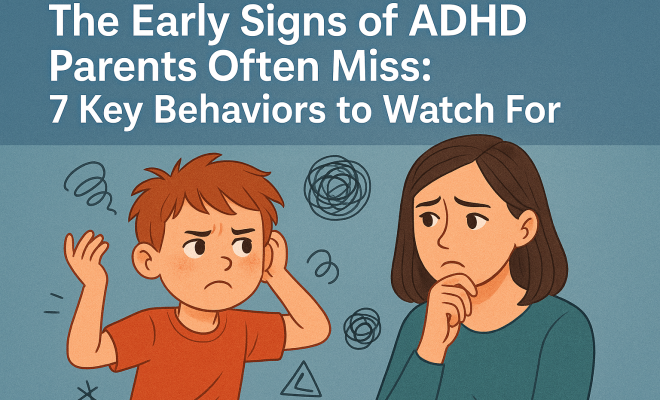
The viral Instagram reel emphasizes seven key behaviors that parents might dismiss as typical childhood antics but could actually be early signs of ADHD:
- Difficulty Focusing: If your child frequently struggles to pay attention during activities, especially those that require sustained mental effort, such as homework or reading, this could indicate ADHD.
- Impulsivity: Children with ADHD often act before thinking. This might manifest as blurting out answers in class or interrupting others during conversations.
- Hyperactivity: While some level of activity is normal, children with ADHD may seem to be constantly in motion—running, climbing, or fidgeting when they should be sitting still.
- Difficulty Following Directions: If your child consistently has trouble following multi-step directions or seems to forget tasks easily, this may be a sign worth noting.
- Daydreaming: Children with ADHD may appear lost in thought, often seeming disengaged from their surroundings even during activities they usually enjoy.
- Frequent Mood Swings: Rapid changes in mood or excessive emotional responses can be another sign that a child’s behavior may be linked to ADHD.
- Playing Rough: Children with ADHD often struggle to play quietly or engage in calm games, leading to disruptive behavior in various settings.
Recognizing these behaviors early can provide an opportunity for parents to seek assessments and implement supportive measures.
Why Are Parents Missing These Signs?
One of the most startling aspects of the recent social media discussions around early signs of ADHD is the realization that many parents simply don’t recognize these behaviors as red flags. Common childhood behavior can be misinterpreted as just being a “typical kid.” Understanding the subtlety of these signs requires awareness and knowledge about ADHD. Many parents might think, “My child is just energetic or distracted,” without considering that these traits could signify something more.
Emotional Implications for Parents
When parents come to terms with the possibility that their child might have ADHD, it often stirs a complex emotional response. Feelings of fear, guilt, and confusion can arise. Some parents may fear judgment or stigma, while others might worry about their child’s future. It’s essential to approach this realization with a mindset of empowerment rather than anxiety. By recognizing these early signs, parents can seek support and resources that lead to positive changes for their families.
Seeking Professional Guidance
If you suspect that your child may be exhibiting early signs of ADHD, seeking professional guidance is a vital next step. Pediatricians, child psychologists, and specialized therapists can conduct assessments and provide tailored recommendations. They may rely on various tools, including questionnaires, behavioral assessments, and interviews with parents and teachers, to get a comprehensive understanding of your child’s behavior. (See: CDC guidelines on ADHD.)
Creating a Supportive Environment
Once a diagnosis has been made, creating a supportive environment at home becomes paramount. Here are some strategies that can help:
- Establish Routines: Predictability can help children with ADHD feel more secure and manage their time better.
- Clear Communication: Use simple and clear language when giving instructions, and check for understanding to ensure your child knows what’s expected.
- Positive Reinforcement: Celebrate small victories and encourage positive behavior through praise and rewards.
- Limit Distractions: Minimize clutter and distractions in homework or play areas to help your child focus better.
Implementing these practices can support your child’s learning and behavior management.
Building a Community of Support
No parent has to navigate this journey alone. Building a community of support with other parents, teachers, and professionals can provide invaluable resources and emotional backing. Many local and online groups focus on ADHD awareness and support. Connecting with others who share similar experiences can offer both practical advice and a sense of belonging, which is crucial during challenging times.
The Social Media Impact
The recent surge of conversations around early signs of ADHD, primarily fueled by social media, has created a powerful platform for awareness. As parents scroll through their feeds, they find relatable content that resonates with their experiences. This growing awareness is a double-edged sword; while it educates many, it can also lead to misinformation. It’s essential to approach viral content with a critical eye and seek information from reliable sources.
Understanding ADHD Beyond Childhood
ADHD isn’t just a childhood disorder — it can persist into adulthood. While many children learn coping mechanisms and strategies that help them manage their symptoms, others may continue to struggle with attention and impulse control. Understanding how ADHD affects individuals at different life stages is important for parents and caregivers. For instance, adults may encounter challenges in their careers, relationships, and daily tasks. Recognizing these issues can lead to appropriate support and resources that facilitate better management of ADHD symptoms over a lifetime.
Statistics on ADHD
Statistics underscore the prevalence and importance of understanding ADHD. According to the CDC, approximately 6.1 million children in the U.S. have been diagnosed with ADHD at some point in their lives. That translates to about 9.4% of children aged 2-17. The disorder is more commonly diagnosed in boys than girls, with boys being three times more likely to receive an ADHD diagnosis. Understanding these statistics can help parents realize that they are not alone in their experiences, and that ADHD is a widely recognized condition that requires attention and care.
ADHD in Girls vs. Boys
ADHD often presents differently in girls than in boys, leading to underdiagnosis in females. Boys might exhibit more hyperactive and impulsive behaviors, while girls may display inattentiveness or daydreaming tendencies. This difference can make ADHD harder to detect in girls, as their symptoms might be overlooked or attributed to personality traits. Understanding these distinctions is crucial for parents, educators, and healthcare providers to ensure that girls receive the support they need.
Common Misconceptions About ADHD
There are several misconceptions about ADHD that can hinder understanding and support for affected children. One common myth is that ADHD is caused by poor parenting or lack of discipline. In reality, ADHD is a neurodevelopmental disorder with biological and genetic factors. Another misconception is that ADHD only affects children, which, as noted earlier, is not true — many adults also live with the disorder. By dispelling these myths, we can foster a more supportive and informed community around ADHD.
Strategies for Teachers
Teachers play a critical role in identifying and supporting students with ADHD. Here are some strategies they can implement: (See: NIH ADHD diagnosis information.)
- Flexible Seating Arrangements: Allowing students to choose where they sit or providing options like standing desks can help them focus better.
- Break Tasks into Smaller Steps: Simplifying instructions can help students with ADHD manage their workload more effectively.
- Incorporate Movement: Allowing short physical breaks or integrating movement into lessons can help students refocus.
- Communicate with Parents: Keeping an open line of communication with parents regarding their child’s progress and strategies can create a unified approach to support.
Frequently Asked Questions (FAQ)
What are the early signs of ADHD?
Early signs include difficulty focusing, impulsivity, hyperactivity, trouble following directions, excessive daydreaming, mood swings, and a tendency to play roughly.
At what age can ADHD be diagnosed?
ADHD can be diagnosed as early as age 4, but many children are diagnosed when they start school and face academic and social challenges.
How is ADHD diagnosed?
ADHD is diagnosed through a comprehensive evaluation that includes interviews, questionnaires, and observations from parents, teachers, and healthcare professionals.
Can ADHD be treated?
Yes, ADHD can be managed through various approaches, including behavioral therapy, medication, and lifestyle changes that focus on structure and support.
Is ADHD considered a disability?
ADHD can be considered a disability if it significantly impacts a child’s ability to function in daily life, allowing for accommodations in school and work environments.
Are there any natural treatments for ADHD?
Some parents explore natural treatments, including diet changes, supplements, and mindfulness practices. It’s essential to consult with a healthcare provider before starting any new treatment methods.
Exploring Co-occurring Conditions
Children with ADHD often face additional challenges due to co-occurring conditions. These might include anxiety disorders, depression, learning disabilities, or oppositional defiant disorder (ODD). For example, a child with ADHD may also struggle with anxiety, which can exacerbate their ADHD symptoms, making it even harder for them to focus or control impulses. Understanding these co-occurring conditions is vital for parents and educators, as it can change the approach to treatment and support. Early intervention for these additional issues can provide a holistic strategy for managing your child’s overall well-being.
The Role of Nutrition in Managing ADHD Symptoms
Nutrition plays a significant role in managing ADHD symptoms. Some studies suggest that certain dietary changes can help alleviate symptoms. A well-balanced diet rich in omega-3 fatty acids, found in fish like salmon, can support brain health. Additionally, some parents have found that eliminating artificial additives and sugar may reduce hyperactivity. While research on diet and ADHD is ongoing, parents might consider working with a nutritionist to develop a meal plan that supports their child’s health and behavior.
Parenting Styles and Their Impact on ADHD
Different parenting styles can influence the behavior and well-being of children with ADHD. Authoritative parenting, characterized by warmth and structure, tends to yield the best results for children with ADHD. On the other hand, overly permissive or authoritarian parenting can exacerbate symptoms. Understanding how your parenting style impacts your child’s behavior is crucial. Adapting your approach to be more structured and supportive can help children with ADHD thrive rather than struggle.
Developing Coping Skills
Teaching coping skills is essential for children with ADHD. These skills help them manage their symptoms and navigate daily challenges. Strategies might include time management techniques, such as using timers to break tasks into smaller, manageable chunks or teaching them mindfulness exercises to improve focus and reduce anxiety. Encouraging children to express their feelings verbally rather than through frustration or aggression can also foster emotional intelligence. These coping mechanisms can empower children to take control of their behaviors and improve their interactions with their environment.
The Importance of Regular Follow-ups
Once a child is diagnosed with ADHD, regular follow-ups with healthcare providers become crucial. ADHD symptoms can evolve over time, and what worked as a management strategy in the past may need adjustments. These check-ins provide an opportunity to reassess the child’s progress and make necessary changes to treatment plans, whether that involves medication adjustments, therapy modifications, or additional support services.
Supportive Resources for Parents
Parents seeking assistance can access a wide range of resources. Organizations like CHADD (Children and Adults with Attention-Deficit/Hyperactivity Disorder) offer educational resources, support groups, and advocacy tools. Additionally, local community centers often host workshops and parenting classes specifically focused on ADHD. Online forums and social media groups can also provide a sense of community and allow parents to share experiences and advice.
Conclusion – Embracing Awareness and Action
Understanding the early signs of ADHD is not just about diagnosis; it’s about fostering a supportive environment for our children to thrive. The emotional weight of recognizing these behaviors can be overwhelming, but it also opens the door for proactive measures that can significantly enhance your child’s life. As the conversation around ADHD continues to evolve, staying informed and connected will empower you to be your child’s best advocate. By spotting these early signs, you’re not just opening up a dialogue; you’re paving the way for a brighter future for your child.
“`
Trending Now
Frequently Asked Questions
What are the early signs of ADHD in children?
Early signs of ADHD in children include difficulty focusing, impulsivity, hyperactivity, forgetfulness, and trouble organizing tasks. Parents may notice their child struggling to pay attention during activities or acting without thinking, which can be easily dismissed as typical behavior.
How can I tell if my child has ADHD?
To determine if your child might have ADHD, observe their behavior for patterns of inattention, hyperactivity, and impulsivity. If these behaviors interfere with daily activities or learning, it may be beneficial to consult a healthcare professional for an evaluation.
What impact does early intervention have for children with ADHD?
Early intervention for children with ADHD can lead to improved academic performance, better peer relationships, and enhanced self-esteem. Timely support allows families to implement strategies that help children thrive in various settings, reducing the risk of long-term challenges.
What should parents look for in children that may indicate ADHD?
Parents should look for signs such as persistent difficulty focusing, impulsivity, excessive movement, forgetfulness, and trouble organizing tasks. These behaviors can often be mistaken for typical childhood antics but may signal the need for further evaluation.
Is ADHD a lifelong condition?
ADHD can persist into adulthood, but symptoms may change over time. With appropriate treatment and coping strategies, many individuals manage their symptoms effectively, leading fulfilling lives. Early identification and intervention are key to better outcomes.
What’s your take on this? Share your thoughts in the comments below — we read every one.