How SpaceX V2 Mini Satellites Could Transform Global Internet Access — But at What Cost?
“`html
The Launch of SpaceX V2 Mini Satellites
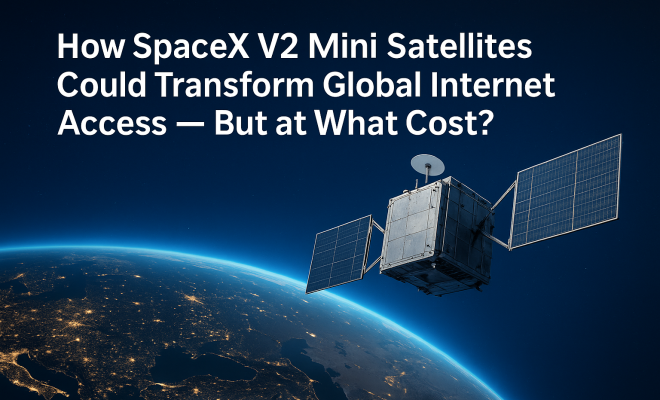
On a bright morning in early October 2023, SpaceX achieved a significant milestone by successfully launching its latest batch of V2 mini satellites. These small yet powerful satellites are engineered to provide high-speed broadband internet access to homes, businesses, and even vehicles around the globe. With this endeavor, SpaceX aims to bridge the digital divide by connecting underserved regions to the internet, thereby enhancing communication, education, and economic opportunities.
Elon Musk’s vision for a fully connected world is now closer to reality, thanks to these V2 mini satellites. The launch was part of the company’s ongoing Starlink project, which has already seen a substantial deployment of satellites into low Earth orbit. However, with this ambitious plan comes a cloud of controversy and debate, raising questions about environmental impacts and the potential monopolization of space by private entities.
The Broadband Promise
One of the most exciting aspects of the V2 mini satellites is their potential to deliver high-speed internet to remote areas that traditional ISPs have often overlooked. Imagine a farmer in rural Montana or a student in the hills of Appalachia having access to the same high-speed internet connection as someone living in a metropolitan area. This vision could become a reality with SpaceX’s satellites.
According to SpaceX, the V2 mini satellites can provide service speeds comparable to or even exceeding those of established broadband providers. This capability means that not only will individuals be able to connect with the world, but businesses can thrive in areas where internet access was previously non-existent. This could catalyze economic development in these regions, creating new jobs and opportunities.
Environmental Concerns
Despite the positive outlook for global connectivity, criticisms have emerged regarding the environmental impacts of deploying such a large constellation of satellites. Critics have raised alarms about the potential for light pollution, which could disrupt nocturnal ecosystems and interfere with astronomical observations. Furthermore, the sheer number of satellites in low Earth orbit raises concerns about space debris, which can pose risks to other objects in space.
Experts argue that the V2 mini satellites could contribute to a phenomenon known as the Kessler syndrome, where the density of objects in low Earth orbit increases to a point where collisions become more likely, resulting in even more debris. This scenario could not only jeopardize the satellites themselves but also the International Space Station and other vital assets orbiting our planet.
The Monopolization of Space
The launch of SpaceX’s V2 mini satellites has reignited a longstanding debate about the monopolization of space by private companies. Critics argue that with companies like SpaceX leading the charge, there is a risk of allowing a few corporate entities to control significant portions of space and its resources. This raises ethical questions about who gets to decide how space is used and who has access to its benefits.
In many ways, the privatization of space mirrors historical trends in other industries. Just as telecommunications and the internet once saw a wave of monopolization, there is a concern that space could follow a similar trajectory if regulatory frameworks don’t keep pace with commercial advancements. The fear is that without adequate oversight, a handful of companies could dominate the space economy, leaving little room for smaller competitors or innovative startups.
The Emotional Charge of the Debate
The conversation surrounding the SpaceX V2 mini satellites has sparked intense emotional reactions. Supporters of the initiative often emphasize the need for global connectivity, particularly in light of the COVID-19 pandemic, as remote work and online learning have become the norm for many. They argue that internet access is a fundamental right in today’s world and that initiatives like SpaceX’s can help level the playing field.
On the other hand, opponents are quick to point out the potential risks associated with unchecked corporate expansion into space. For those concerned about environmental sustainability and equitable access to resources, the idea of a few billionaires controlling the future of space feels unsettling. This emotional charge has driven the story to trend on platforms like Google, as people grapple with the implications of such advancements.
Technical Features of V2 Mini Satellites
To better understand the capabilities of the SpaceX V2 mini satellites, it’s essential to delve into their technical specifications. Each satellite is equipped with advanced communication technology that allows for faster data transmission and improved signal quality. Unlike their predecessors, the V2 mini satellites are designed to operate in a denser formation, significantly increasing the network’s reliability and capacity.
Furthermore, these satellites are equipped with improved propulsion systems that will enable them to maneuver in orbit more efficiently. This capability allows for better avoidance of collisions with space debris, addressing one of the primary concerns surrounding satellite deployment. Additionally, the satellites are engineered to have a lower spectral brightness, which mitigates their impact on astronomical observations. (See: Starlink internet service overview.)
Global Reactions to the Launch
The launch of the SpaceX V2 mini satellites has elicited a mixed bag of reactions around the world. In the United States, excitement about the potential for improved internet access is palpable, especially among communities that have long been underserved. Many see this initiative as a step toward greater equality in education and economic opportunity.
However, in countries with strict regulations regarding satellite launches and environmental protections, the response has been more cautious. Some governments are calling for stricter oversight of satellite deployments to mitigate potential ecological impacts. International organizations are also weighing in, urging global cooperation to address the challenges posed by the rapid expansion of satellite networks.
The Role of Regulation in Space
As private companies like SpaceX push the boundaries of what’s possible in space, the role of regulation becomes increasingly critical. Historically, space law has lagged behind technological advancements, creating a regulatory gap that could have significant implications for the future of space exploration and satellite deployment.
Many experts argue that an updated framework is necessary to ensure that space remains a sustainable and accessible environment for all. This may involve international treaties that establish guidelines for satellite deployments, the management of space debris, and the equitable distribution of benefits derived from space-based technology.
Looking Ahead: The Future of Space Connectivity
With the successful launch of the V2 mini satellites, SpaceX is poised to play a pivotal role in shaping the future of global internet connectivity. However, as their constellation grows, so too will the conversations surrounding the ethical, environmental, and regulatory challenges that come with it. Moving forward, it will be essential for policymakers, scientists, and industry leaders to collaborate in crafting a responsible approach to space utilization.
Ultimately, the journey toward universal internet access through satellites is more than just a technical challenge; it’s a reflection of our values and priorities as a society. Balancing connectivity with environmental stewardship and equitable access to space’s resources will be crucial as we look to the stars.
Conclusion: The Mixed Blessing of SpaceX V2 Mini Satellites
The launch of SpaceX’s V2 mini satellites marks a significant leap forward in our quest for global connectivity. As the world becomes increasingly reliant on the internet for communication and commerce, the promise of these satellites brings hope to many. However, the accompanying concerns about environmental impact and corporate monopolization cannot be ignored.
As we embrace the possibilities that technology offers, we must also grapple with its consequences. The dialogue surrounding the SpaceX V2 mini satellites is just beginning, and the future of space — for better or worse — will be shaped by the decisions we make today.
Comparative Analysis: SpaceX vs. Other Satellite Providers
When discussing the SpaceX V2 mini satellites, it’s worth examining how they stack up against other satellite internet providers like Amazon’s Project Kuiper and OneWeb. While all three aim to provide global broadband connectivity, their approaches and technologies differ significantly.
SpaceX has already put thousands of satellites into orbit, with plans for even more in the coming years. This rapid deployment gives them a lead in terms of coverage and speed. In contrast, Project Kuiper has faced delays in its satellite deployment schedule, which means it may lag in achieving the same level of coverage that SpaceX currently offers. OneWeb, on the other hand, has a more limited number of satellites in orbit, focusing on providing connectivity primarily in remote areas where traditional internet infrastructure is lacking.
Each of these projects has its strengths and weaknesses. For instance, while SpaceX excels in speed and existing infrastructure, critics argue that the scale of its operation raises significant environmental concerns, which can overshadow its benefits. On the flip side, OneWeb’s slower approach allows more time for regulatory compliance but may result in less immediate impact.
Statistics on Global Internet Access and the Importance of Satellite Connectivity
The World Bank estimates that nearly 3 billion people worldwide still lack access to the internet. This digital divide is particularly pronounced in rural regions and developing countries, where traditional broadband infrastructure is either too costly or impractical to deploy. The introduction of SpaceX’s V2 mini satellites aims to address this gap.
According to research from the International Telecommunication Union, regions with internet connectivity see significant economic improvements. For every 10% increase in broadband penetration, GDP growth can increase by 1.38%. This statistic illustrates the critical role that internet access plays not just in individual lives but also in the overall economic health of regions. (See: Impact of technology on communication.)
Furthermore, a Pew Research study found that 87% of rural Americans believe that reliable high-speed internet is essential for modern life. SpaceX’s initiative to bring internet to these underserved areas isn’t just a technological advancement; it’s a crucial step toward economic and social equity.
Expert Perspectives on the Future of Satellite Internet
Industry experts have varied opinions on the future of satellite internet. Some view SpaceX’s efforts as revolutionary, predicting that satellite technology will soon become the backbone of global internet connectivity. Others caution against over-reliance on these systems due to the environmental implications and potential for monopolization.
Dr. Vint Cerf, often referred to as one of the “fathers of the Internet,” has emphasized the importance of diversifying internet access technologies. “We need a multi-faceted approach,” he argues, “where satellite internet complements existing infrastructure rather than becoming the sole provider.” This perspective invites a broader discussion about how different technologies can coexist in the effort to connect the unconnected.
On the flip side, technology analyst Mark LaPedus believes that the future lies in the hands of companies like SpaceX that can innovate quickly. “The agility and speed of deployment that SpaceX has demonstrated put them in a unique position to meet urgent global needs,” he states. His optimism suggests that the current competitive landscape could also spur advancements in technology across the board.
Frequently Asked Questions (FAQ) About SpaceX V2 Mini Satellites
What are SpaceX V2 mini satellites?
SpaceX V2 mini satellites are small, advanced satellites designed to provide high-speed broadband internet connectivity to users worldwide, especially in underserved areas. They are part of the Starlink project and are intended to enhance global internet access.
How many V2 mini satellites has SpaceX launched?
As of October 2023, SpaceX has successfully launched thousands of V2 mini satellites into low Earth orbit, with plans to continue deploying more to expand coverage and improve internet service quality.
What speed can users expect from the V2 mini satellites?
SpaceX claims that the V2 mini satellites can deliver download speeds comparable to or exceeding those of traditional broadband providers, potentially exceeding 100 Mbps in some areas, depending on network conditions.
What are the environmental concerns associated with the V2 mini satellites?
Critics have raised concerns about light pollution, space debris, and the potential impact on astronomical observations. The sheer number of satellites could contribute to Kessler syndrome, where collisions create even more debris in orbit.
How does SpaceX address the issue of space debris?
SpaceX has designed the V2 mini satellites with advanced propulsion systems that allow them to maneuver in orbit. This capability helps avoid collisions with other satellites and debris, which is a critical concern in maintaining the safety of space operations.
Are there any regulations governing the deployment of satellite constellations like Starlink?
Yes, satellite launches are subject to both national and international regulations. These regulations include guidelines for spectrum allocation, traffic management in space, and environmental impact assessments. However, experts argue that existing frameworks may need updating to keep pace with rapid advancements.
What is the future potential of satellite internet?
Experts believe that satellite internet could play a crucial role in bridging the digital divide, especially in rural and underserved areas. As technology improves and more satellites are deployed, the hope is that coverage will become more widespread and reliable, benefiting people around the world. (See: Space-based internet initiatives.)
Challenges and Opportunities Ahead for SpaceX V2 Mini Satellites
While the SpaceX V2 mini satellites promise to revolutionize internet access, several challenges remain on the horizon. One significant hurdle is the need for continued innovation in satellite technology. As more satellites are launched, the demand for bandwidth will inevitably increase, necessitating improvements in data transmission technologies. This means that SpaceX and its competitors must continually invest in research and development to keep up with user demands.
Another challenge lies in maintaining a balance between expansion and sustainability. As concerns about space debris and environmental impacts grow, SpaceX must work diligently to ensure that its satellites are not only effective but also responsible. This includes adhering to best practices for debris mitigation and exploring technology that could enhance the lifespan of satellites.
On the opportunity side, the potential market for satellite internet is vast. According to a report by the Satellite Industry Association, the global satellite industry was valued at approximately $271 billion in 2021 and is projected to grow significantly in the coming years. For companies like SpaceX, this growth represents not only a chance to expand their customer base but also an opportunity to innovate new services and applications that leverage satellite technology, such as IoT (Internet of Things) solutions and improved communication tools for disaster recovery.
The Global Impact of SpaceX V2 Mini Satellites on Education
Education is one of the sectors that could see profound transformation due to the deployment of SpaceX V2 mini satellites. With millions of students around the world lacking reliable internet access, these satellites could open doors to educational resources that were previously out of reach. Imagine students in rural areas accessing online courses, virtual classrooms, and educational materials with ease.
Research has shown that internet connectivity directly impacts educational outcomes. A study by the Brookings Institution found that students with better internet access tend to perform better academically. By linking underserved communities to high-speed internet, SpaceX’s initiative may contribute to a more equitable education system, allowing all students the chance to succeed regardless of their geographic location.
Furthermore, the integration of technology in education can foster innovative learning methods. Online learning platforms can offer personalized education experiences, enabling students to learn at their own pace and explore topics of interest in greater depth. The ripple effect of such advancements could lead to a more skilled workforce, ultimately boosting local economies.
Potential for Collaborations in the Satellite Industry
As the satellite internet industry rapidly evolves, collaborations between companies, governments, and research organizations may become increasingly essential. For instance, partnerships could emerge to address challenges related to space debris management or to develop standards for satellite technology that promote sustainability. By sharing knowledge and resources, stakeholders can work collectively to enhance the reliability and efficacy of satellite systems.
Moreover, such collaborations could also extend into the realm of public policy. Given the complex nature of space regulation, working with governments and international organizations can help create frameworks that serve the public interest while fostering innovation. This synergy can also ensure that the benefits of satellite technology are distributed equitably, preventing monopolization and promoting a more inclusive digital landscape.
“`
Trending Now
Frequently Asked Questions
How will SpaceX V2 mini satellites improve internet access?
SpaceX V2 mini satellites are designed to provide high-speed broadband internet to underserved areas worldwide. By bridging the digital divide, they aim to enhance communication, education, and economic opportunities for individuals and businesses in remote locations.
What are the potential benefits of SpaceX's Starlink project?
The Starlink project, featuring V2 mini satellites, promises significant benefits such as high-speed internet access for rural and underserved communities, fostering economic development, and enabling remote education and communication, thereby narrowing the digital divide.
What concerns exist regarding SpaceX's satellite launches?
Critics express concerns over the environmental impacts of deploying large numbers of satellites and the potential monopolization of space by private companies. These issues raise questions about sustainability and equitable access to space resources.
What speeds can SpaceX V2 mini satellites provide?
SpaceX claims that the V2 mini satellites can deliver internet service speeds comparable to or exceeding those of traditional broadband providers, enabling high-quality connectivity for users even in remote areas previously lacking internet access.
How could SpaceX's satellites impact economic development?
By providing high-speed internet to areas with limited connectivity, SpaceX's satellites could stimulate economic development, create new jobs, and enhance business opportunities, particularly in rural regions where traditional internet service has been inadequate.
What’s your take on this? Share your thoughts in the comments below — we read every one.