The Growing Backlash Against Social Media Platforms
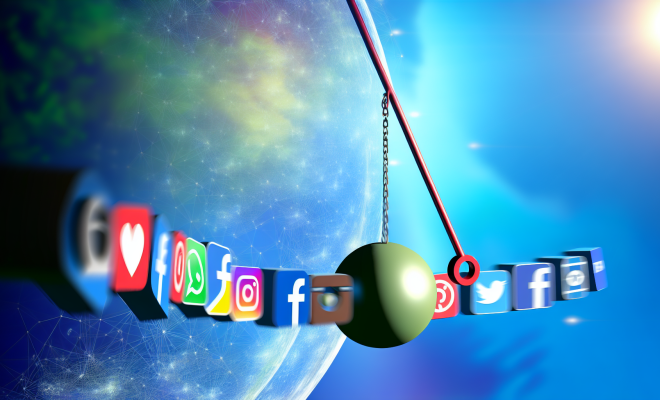
In recent years, a palpable shift in public sentiment towards social media platforms has emerged, reflecting a growing backlash against their perceived irresponsible and harmful business models. As concerns mount regarding the negative impacts of these platforms on individual users and society as a whole, it is essential to explore the factors driving this change in attitude and the implications it holds for the future of social media.
The Rise of Public Concern
Over the past two years, there has been an increasing awareness among users about how social media platforms operate. Many individuals have begun to question the ethics behind the algorithms that govern their online experiences. These algorithms are designed to maximize user engagement and, consequently, profit, often at the expense of user well-being.
Reports of addiction-like behaviors linked to social media usage have raised alarms among mental health professionals. Users often find themselves caught in a cycle of scrolling, leading to anxiety, depression, and feelings of inadequacy. The addictive nature of these platforms has prompted a growing number of people to reassess their relationship with social media.
Regulatory Responses and Legislative Actions
As public concern has intensified, so too have the calls for regulatory action against social media giants. Governments around the world are beginning to take notice of these issues and are considering new legislation aimed at holding tech companies accountable for the impact of their platforms on society.
- Increased Scrutiny: Regulatory bodies are scrutinizing the business practices of social media companies, examining the potential harm caused by their algorithms.
- Data Privacy Laws: New laws are being proposed to enhance user data protection, ensuring that personal information is not exploited for profit.
- Content Regulation: Efforts are underway to tackle the spread of misinformation and harmful content, with stricter guidelines for what can be posted on these platforms.
This regulatory momentum signals a significant shift in how governments view the responsibilities of social media companies and could lead to fundamental changes in how these platforms operate.
The Role of Misinformation and Harmful Content
One of the primary drivers behind the backlash against social media is the rampant spread of misinformation. The COVID-19 pandemic highlighted how quickly false information could proliferate on these platforms, affecting public health responses and trust in institutions. Users are increasingly frustrated with the algorithms that promote sensationalism and misinformation over factual content.
Moreover, the detrimental effects of cyberbullying, harassment, and hate speech have further tarnished the reputation of social media. Many users have experienced or witnessed the psychological toll that online harassment can take, leading to calls for more robust protective measures.
The Changing Landscape of User Engagement
The ongoing backlash has led to a noticeable shift in how users engage with social media. As more individuals express dissatisfaction with their experiences, some are opting to limit their time on these platforms or even abandon them altogether.
In response, alternative social media platforms that prioritize user privacy and well-being are gaining traction. These platforms often feature more transparent business models and community-driven moderation, appealing to those disenchanted with mainstream options.
Emerging Alternatives
Several new platforms are emerging in this changing landscape, offering users a refreshing alternative to traditional social media:
- Mastodon: A decentralized social network that allows users to create their own communities and set their own moderation policies.
- MeWe: Emphasizing privacy and freedom of expression, MeWe does not track user data or serve ads.
- Ello: Originally launched as an ad-free alternative to Facebook, Ello focuses on creative content and community engagement.
These platforms are attracting users who are more conscious of their online presence and the implications of social media engagement, highlighting a potential shift towards a more user-centric approach in the digital space.
The Future of Social Media
As attitudes toward social media continue to evolve, the future of these platforms remains uncertain. However, the growing backlash indicates that users are demanding more from their online experiences. This could lead to a fundamental transformation in the way social media operates, prioritizing user well-being and ethical practices over profit.
In conclusion, the ongoing changes in public sentiment toward social media reflect deeper societal concerns about the implications of these platforms on mental health, misinformation, and community dynamics. As users and regulators alike push for accountability, the tech industry may find itself at a crossroads, with the opportunity to reshape its relationship with the public in a more responsible manner.