Canada Considers Social Media Ban for Kids to Boost Online Safety
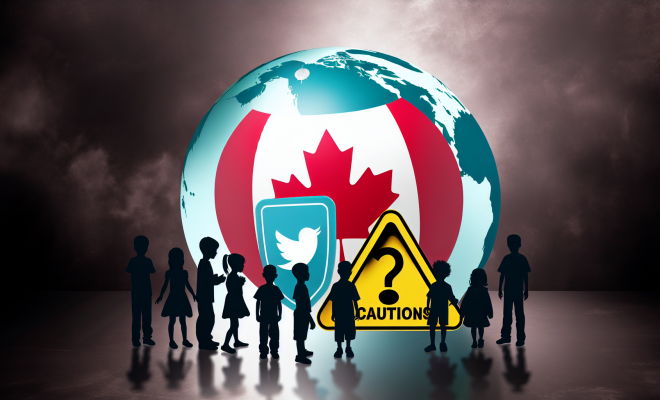
In a significant move aimed at addressing the rising concerns surrounding online safety for children, Canadian Culture Minister Marc Miller announced that the federal government is “very seriously” considering implementing a social media ban for minors. This proposal is part of a broader strategy to combat the potential harms associated with social media use among young users.
Rising Online Harms and Legislative Responses
The discussion around the potential ban comes in the wake of increasing evidence suggesting that social media can have detrimental effects on the mental health and well-being of children. Experts have raised alarms about issues such as cyberbullying, exposure to inappropriate content, and the impact of social media on self-esteem and body image.
Miller emphasized that while a ban might not serve as a complete solution, it could be a vital step in protecting younger generations from the perils of the digital age. “We need to take a proactive approach to ensure that our children are not exposed to harmful content that can affect their development and mental health,” he stated during a press conference.
Looking to Australia for Inspiration
This initiative is inspired by Australia, which became the first country to enforce age restrictions on social media accounts last December. The Australian government introduced legislation requiring social media platforms to verify the ages of their users, effectively prohibiting children under a certain age from creating accounts. This move has garnered international attention and sparked discussions in various countries, including Canada.
Miller indicated that the Canadian government is closely examining Australia’s model and considering how similar regulations could be adapted to fit the unique social and cultural context of Canada. “We want to learn from their experiences and ensure that we implement a system that effectively protects our youth,” he remarked.
Political Support for the Initiative
The proposal has garnered bipartisan support, with members from both the Conservative Party and the New Democratic Party (NDP) backing the initiative. This cross-party cooperation highlights the growing consensus on the need for legislative action regarding children’s safety online. Both parties have expressed their commitment to prioritizing the welfare of children in the digital landscape.
Conservative MP Michelle Rempel Garner echoed Miller’s sentiments, stating, “It is imperative that we take immediate action to safeguard our children from the potential harms of social media. We cannot afford to wait any longer. The risks are too great.” Similarly, NDP MP Peter Julian emphasized the importance of creating a safer environment for children online, advocating for robust regulations that hold social media companies accountable.
Potential Challenges and Concerns
While the move is largely seen as a positive step towards protecting children, it is not without its challenges. Critics of the proposal have raised concerns regarding enforcement and the potential for unintended consequences. For instance, how will age verification be conducted, and what measures will be put in place to ensure that children do not find ways to circumvent these age restrictions?
Moreover, there are worries that a blanket ban could lead to restrictions on children’s access to educational resources and social connections that are increasingly facilitated through digital platforms. There is a delicate balance to strike between protecting children and allowing them to benefit from the advantages that social media can offer.
The Role of Social Media Companies
As the Canadian government weighs its options, social media companies will play a crucial role in the implementation of any new regulations. Miller has called upon these companies to take greater responsibility in ensuring the safety of their young users. This includes enhancing age verification processes and proactively removing harmful content.
“We are calling on tech companies to step up and take ownership of their platforms,” Miller stated. “They have a moral obligation to ensure that their services do not harm vulnerable populations, especially children.” This call to action aligns with a growing trend worldwide, where regulators are pushing for greater accountability from tech giants regarding user safety.
The Road Ahead
As Canada continues to deliberate on the proposed ban, the conversation surrounding online safety for children is likely to intensify. Stakeholders—including parents, educators, mental health professionals, and lawmakers—are encouraged to participate in discussions that will shape the future of social media use among minors.
The government’s consideration of a social media ban for kids represents a pivotal moment in the ongoing struggle to create a safer online environment. As public awareness about the potential dangers of social media grows, it is essential that policy measures keep pace with the evolving digital landscape.
In conclusion, while the proposal is still in its infancy, it marks a significant step toward prioritizing child safety in an increasingly digital world. The outcome of Canada’s deliberations could have lasting implications—not only for Canadian youth but also for global discussions about the responsibilities of social media platforms and the protection of vulnerable users.