GOP Work Requirements: SNAP’s Future Amidst Job Scarcity
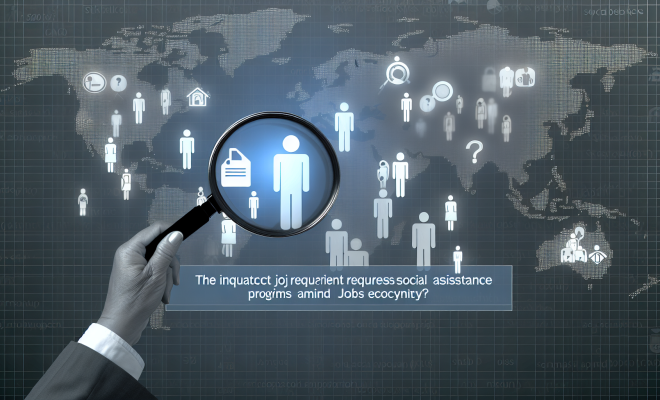
The recent implementation of new work requirements for the Supplemental Nutrition Assistance Program (SNAP), commonly known as food stamps, has raised significant concerns among economists and social advocates alike. Starting in February, the GOP’s mandate that recipients must complete 80 hours of work per month comes at a time when the job market, particularly for low-wage positions, is facing unprecedented challenges.
Challenges in the Job Market
The scarcity of job opportunities, a situation exacerbated by policies enacted during President Trump’s administration, including trade wars and global conflicts, has created a precarious environment for millions of Americans. As sectors such as manufacturing and retail struggle to recover, many individuals who rely on SNAP find themselves in a particularly vulnerable position.
Understanding the New SNAP Requirements
The GOP’s decision to impose work requirements aims to encourage self-sufficiency among food stamp recipients. However, this initiative has come under scrutiny for its timing and potential consequences. Economists, including Ismael Cid-Martinez from the Economic Policy Institute, have warned that the new rules could result in more beneficiaries losing their vital support. He notes that as jobs become scarcer, the likelihood of eligible individuals meeting the mandated work hours diminishes.
Consequences of Losing Benefits
According to Cid-Martinez, the implications of losing SNAP benefits extend far beyond food insecurity. He emphasizes that the resulting chronic hunger can lead to a range of health issues, including:
- Increased Illness: A lack of adequate nutrition can compromise immune systems, leading to higher rates of illness.
- Chronic Diseases: Insufficient access to nutritious food is linked to obesity, diabetes, and other chronic conditions.
- Mental Health Issues: The stress of financial instability can trigger anxiety, depression, and even PTSD.
The interconnectedness of food security and health outcomes underscores the critical role that SNAP plays in maintaining public health.
The Economic Ripple Effect
A study conducted by Columbia University highlights the broader economic consequences of reducing SNAP benefits. The findings suggest that for every dollar cut from SNAP, society incurs costs ranging from $14 to $20 due to increased healthcare expenses, lost productivity, and other socioeconomic impacts. This calculation reveals that the financial strain of cutting food assistance not only affects the individual but also burdens the entire community.
Public Response and Advocacy
As advocacy groups rally against the new work requirements, there is a growing call for policymakers to reconsider the implications of such measures. Many argue that the focus should be on creating more jobs and improving wages rather than enforcing stringent requirements that push vulnerable populations further into hardship.
Organizations dedicated to fighting hunger, such as Feeding America and the Center on Budget and Policy Priorities, have been vocal in their opposition. They stress that rather than penalizing those in need, the government should invest in workforce development and support systems that will enable individuals to find stable, well-paying jobs.
A Broader Perspective on Food Security
The conversation around SNAP and work requirements brings to light a crucial issue: food security is a fundamental human right. Access to nutritious food is essential for individuals to lead healthy and productive lives. Policymakers must recognize that while work requirements may seem like a solution, they can lead to greater societal issues if job opportunities are not available.
In addition, the pandemic has shown that many low-wage workers are often employed in sectors that are less stable and more vulnerable to economic fluctuations. As the economy continues to evolve, so too must the policies that govern assistance programs.
Looking Forward
As the GOP’s work requirements for SNAP unfold, the potential impacts on beneficiaries and society at large are becoming increasingly clear. The interplay between job availability, economic stability, and food security is complex, and it is essential for policymakers to approach these issues holistically.
In conclusion, while the intention behind the new SNAP policies may be to encourage self-sufficiency, it is vital that we consider the broader context of job scarcity and the detrimental effects of hunger on health and well-being. Moving forward, a collaborative approach that prioritizes job creation, fair wages, and comprehensive support for those in need will be critical in addressing food insecurity and fostering a healthier society.