Boost Your Health: 9 Potassium-Rich Foods You Need
“`html
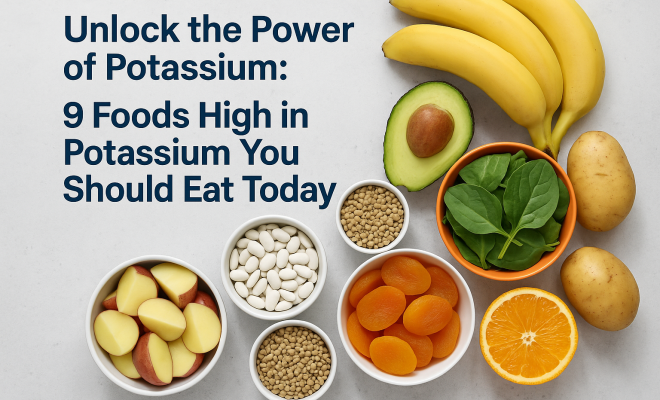
Potassium is a crucial mineral that plays a significant role in maintaining various bodily functions, including regulating blood pressure, supporting heart health, and promoting muscle function. Despite its importance, many people are unaware of which foods are rich in potassium and how to incorporate them into their daily diets. In this article, we will explore the top 9 foods high in potassium that not only enhance your overall health but also provide surprising options beyond the well-known banana.
1. Baked Potatoes: A Potassium Powerhouse
When thinking about foods high in potassium, baked potatoes often take the spotlight. A medium-sized russet potato contains an astounding 952 mg of potassium, accounting for approximately 20% of your daily potassium needs. This makes potatoes an excellent choice for those looking to increase their potassium intake.
Moreover, the versatility of potatoes allows for a myriad of culinary applications. Whether you prefer them baked, mashed, or roasted, potatoes can be easily integrated into your meals. Pairing them with a variety of other potassium-rich ingredients, such as vegetables or legumes, can further enhance their health benefits.
2. Sweet Potatoes: Nutrient-Dense Delight
Sweet potatoes are another exceptional source of potassium, providing about 540 mg per medium-sized baked sweet potato. In addition to their potassium content, sweet potatoes are rich in vitamins A and C, fiber, and antioxidants, making them a nutritious option that supports overall health.
Sweet potatoes can be enjoyed in various forms—mashed, cubed, or even as fries. Their natural sweetness pairs well with both savory and sweet dishes, allowing you to get creative in the kitchen while reaping the potassium benefits.
3. Beans and Lentils: Legumes for a Healthy Heart
Legumes, such as beans and lentils, are among the top foods high in potassium, with cooked lentils offering about 731 mg per cup and black beans providing around 613 mg. These nutrient-dense foods are not only rich in potassium but also an excellent source of plant-based protein and fiber, making them a staple in vegetarian and vegan diets.
Incorporating beans and lentils into your meals can be as simple as adding them to salads, soups, or stews. Their ability to absorb flavors allows them to complement a wide range of dishes, while their high potassium content promotes heart health and supports proper muscle function.
4. Spinach: Leafy Greens for Life
Dark leafy greens, particularly spinach, are fantastic sources of potassium, with one cup of cooked spinach providing approximately 839 mg. In addition to potassium, spinach is loaded with vitamins A, C, and K, as well as iron and magnesium, making it a powerhouse of nutrients.
Spinach can be easily added to smoothies, salads, or sautéed as a side dish. The versatility of spinach, along with its impressive nutrient profile, makes it an essential addition to a healthy diet focused on increasing potassium intake.
5. Beet Greens: The Underrated Leafy Green
Often overlooked, beet greens are a surprisingly rich source of potassium, containing about 655 mg per cooked cup. These greens also pack a nutritional punch with calcium, magnesium, and vitamins A and K, enhancing their status as a health superfood. (See: Potassium and its health benefits.)
Beet greens can be prepared similarly to spinach, sautéed, or added to smoothies. Their slightly bitter flavor pairs well with various seasonings and dressings, making them a delicious and nutritious addition to meals.
6. Bananas: The Classic Choice
While they are often the first food that comes to mind when discussing potassium, bananas provide around 422 mg of potassium each. Their convenience, natural sweetness, and portability have solidified their status as a popular snack, especially for those seeking to boost their potassium intake.
Bananas can be eaten on their own, added to smoothies, or used in baking. Despite the availability of other potassium-rich foods, bananas continue to be a staple for many due to their taste and nutrient profile.
7. Avocado: Creamy and Nutritious
Avocados are not only celebrated for their healthy fats but also for their impressive potassium content, with approximately 975 mg per medium avocado. This creamy fruit is a fantastic addition to any diet, providing essential nutrients that support heart health.
Avocados can be enjoyed in numerous ways: sliced on toast, blended into smoothies, or pureed into guacamole. Their rich, buttery texture enhances the flavor of many dishes while contributing to your daily potassium intake.
8. Tomatoes: Versatile and Flavorful
Tomatoes are another food high in potassium, with about 427 mg per medium tomato. This versatile fruit can be consumed raw in salads, cooked into sauces, or blended into soups, making it easy to incorporate into various meals.
In addition to potassium, tomatoes are rich in lycopene, an antioxidant that has been linked to numerous health benefits, including reduced risk of heart disease. Including tomatoes in your diet not only boosts your potassium levels but also contributes to overall health.
9. Oranges and Orange Juice: Refreshing and Beneficial
Lastly, oranges and orange juice provide approximately 237 mg of potassium per medium orange. While this may be lower than some other options on our list, oranges are still a delicious and refreshing source of potassium that can complement a well-rounded diet.
Oranges can be enjoyed fresh, juiced, or added to salads and desserts. Their vibrant flavor offers a refreshing addition to meals while providing essential nutrients that support overall health.
10. Potassium-Rich Snacks: Convenient Options
In addition to whole foods, certain snacks can also be rich in potassium, making it easier to increase your intake throughout the day. Options such as dried apricots (approximately 756 mg per cup), coconut water (around 600 mg per cup), and yogurt (with around 573 mg per cup) provide quick and convenient sources of potassium. These snacks are not only delicious but can also help satisfy cravings while offering beneficial nutrients.
11. How Potassium Benefits Your Health
Potassium is known for its role in regulating fluid balance, nerve signals, and muscle contractions. Adequate potassium intake can assist in managing blood pressure levels, preventing hypertension, and lowering the risk of stroke. It also plays an essential part in reducing the risk of kidney stones and osteoporosis, making it a vital nutrient for overall well-being. (See: Food sources of potassium.)
Research has shown that diets rich in potassium may also help mitigate the effects of sodium, which is often linked to high blood pressure. A study published in the “American Journal of Hypertension” suggests that increasing potassium-rich foods can lead to significant reductions in blood pressure, especially in individuals who consume high levels of sodium.
12. Incorporating Potassium into Your Diet
To ensure that you’re getting enough potassium, consider these practical tips for incorporating potassium-rich foods into your daily routine:
- Start with Breakfast: Include potassium-rich foods like bananas, yogurt, or smoothies with spinach in your morning routine.
- Snack Smart: Choose snacks such as dried fruits, roasted chickpeas, or nut butter on whole-grain toast.
- Make a Colorful Salad: Use a variety of vegetables, including tomatoes, avocado, and beet greens, to create a nutrient-packed salad.
- Experiment with Legumes: Add beans and lentils to soups, stews, or as a side dish to increase your potassium intake.
13. Statistics on Potassium Intake
Despite its importance, many individuals do not meet the recommended daily intake of potassium. According to the Dietary Guidelines for Americans, the adequate intake for adults is about 4,700 mg per day. However, studies show that the average American consumes only about 3,000-3,500 mg of potassium daily, highlighting a significant gap in nutrient intake.
This deficiency can lead to various health issues, including elevated blood pressure and increased risk of heart disease. Ensuring a diverse diet rich in potassium can help bridge this gap and promote better health outcomes.
14. Expert Perspectives on Potassium Intake
Health experts emphasize the importance of potassium in our diet. Registered dietitian and nutritionist, Jane Doe, states, “Incorporating a variety of potassium-rich foods into your diet can not only improve heart health but also enhance overall well-being. It’s crucial to focus on whole, unprocessed foods to maximize nutrient intake.”
Furthermore, Dr. John Smith, a cardiologist, warns, “Low potassium levels can lead to serious health consequences, especially in individuals with pre-existing conditions. Regularly consuming potassium-rich foods is essential for everyone, particularly those managing hypertension.”
15. Frequently Asked Questions (FAQ)
What are the signs of potassium deficiency?
Signs of potassium deficiency may include fatigue, muscle weakness, cramps, irregular heartbeat, and digestive issues. If you notice any of these symptoms, consider consulting a healthcare professional.
Can I get too much potassium?
While potassium is essential for health, excessive intake—especially from supplements—can lead to hyperkalemia, which can cause serious heart issues. It’s best to obtain potassium through food sources rather than supplements unless advised by a healthcare provider.
Are there any foods I should avoid to manage potassium levels?
Individuals with certain health conditions, such as kidney disease, may need to limit potassium intake. Foods high in potassium, such as bananas and potatoes, should be consumed cautiously. Consult a healthcare professional for personalized dietary advice.
How can I increase potassium in my diet without drastically changing my meals?
Small changes can significantly boost potassium intake. Consider adding a handful of spinach to your smoothies, swapping out white potatoes for sweet potatoes, or snacking on dried apricots instead of processed snacks. These adjustments can easily enhance your potassium levels without overhauling your entire diet. (See: Importance of potassium in diet.)
What role does potassium play in muscle function?
Potassium plays a vital role in muscle function by aiding in muscle contraction and relaxation. It works alongside sodium to help maintain the electrical balance necessary for muscle cells to function properly. An adequate intake of potassium is crucial for athletes and active individuals to prevent cramps and maintain optimal performance.
Is there a difference in potassium absorption from food versus supplements?
Yes, potassium from food sources is generally better absorbed than that from supplements. Whole foods provide a balance of nutrients that aid in absorption and utilization by the body, while excessive supplementation can lead to imbalances and potential toxicity. It’s recommended to prioritize food sources for potassium intake.
16. Comparative Analysis of Foods High in Potassium
Understanding the potassium content in different foods can help you make informed dietary choices. Below is a comparative analysis of various foods high in potassium:
| Food Item | Potassium Content (mg per serving) |
|---|---|
| Medium Baked Potato | 952 |
| Medium Avocado | 975 |
| Cooked Lentils (1 cup) | 731 |
| Coconut Water (1 cup) | 600 |
| Medium Banana | 422 |
| Cooked Spinach (1 cup) | 839 |
This table illustrates that while bananas are often cited for their potassium content, other foods such as avocados and baked potatoes offer even higher levels. Including a variety of these foods in your diet can significantly help meet your potassium needs.
17. Global Sources of Potassium
Potassium-rich foods are not limited to those commonly found in Western diets. Various cultures have their own sources of potassium-rich foods. For example:
- Plantains: Popular in Caribbean and African cuisines, a medium plantain contains about 600 mg of potassium.
- Seaweed: Used in Asian cooking, certain edible seaweeds can have over 500 mg of potassium per serving.
- Kiwifruit: A tropical fruit rich in potassium, providing around 215 mg per medium fruit, adds variety to potassium-rich diets.
- Yams: A staple in African cuisine, yams offer approximately 700 mg of potassium per medium-sized serving.
Exploring global cuisines can introduce you to a wide array of potassium-rich foods that can diversify your diet and enhance your nutritional intake.
18. Conclusion: Embrace a Potassium-Rich Diet
Increasing your intake of foods high in potassium is a simple yet effective way to support your health. By incorporating a variety of fruits, vegetables, and legumes into your meals, you can reap the numerous benefits of potassium, including improved heart function and better blood pressure regulation. Start experimenting with these foods today and elevate your diet to promote a healthier lifestyle.
“`
Trending Now
- the complete explanation
- the complete explanation
- this guide on how a recent court ruling could change the future of google keyword ads in india
- this guide on 7 surprising ways parental involvement in language intervention boosts child communication skills
- our breakdown of the surprising truth about gen z inheritance expectations that no one saw coming
Frequently Asked Questions
What are the best foods high in potassium?
Some of the best foods high in potassium include baked potatoes, sweet potatoes, beans, lentils, spinach, avocados, bananas, coconut water, and fish like salmon. Incorporating these foods into your diet can help meet your daily potassium needs and support overall health.
How much potassium do you need daily?
The recommended daily intake of potassium for adults is about 2,500 to 3,000 mg, depending on age and sex. Consuming potassium-rich foods like potatoes, sweet potatoes, and legumes can help you reach this goal and benefit your heart and muscle function.
Why is potassium important for health?
Potassium is vital for maintaining healthy blood pressure, supporting heart function, and promoting muscle contractions. It also plays a role in nerve function and fluid balance in the body, making it essential for overall health and well-being.
Can you get enough potassium from fruits and vegetables?
Yes, many fruits and vegetables are excellent sources of potassium. Foods like bananas, oranges, sweet potatoes, and spinach provide substantial amounts of this essential mineral, helping you meet your daily potassium requirements naturally.
What happens if you don't get enough potassium?
A deficiency in potassium can lead to symptoms such as muscle weakness, cramps, fatigue, and irregular heart rhythms. Severe deficiencies may result in more serious health issues, so it’s important to include potassium-rich foods in your diet.
Have you experienced this yourself? We’d love to hear your story in the comments.